9 Steps to Prepare a Garden for a Durable Dog Run
The scent of fresh earth mixes with the sound of paws on packed soil. Dogs need durable, well-drained ground beneath their feet, and gardeners who learn how to prepare a garden for a dog run can integrate canine activity zones without sacrificing landscape integrity. A properly engineered dog run protects both turf and animal, transforming high-traffic corridors into stable, erosion-resistant pathways that withstand daily use across all four seasons.
Materials
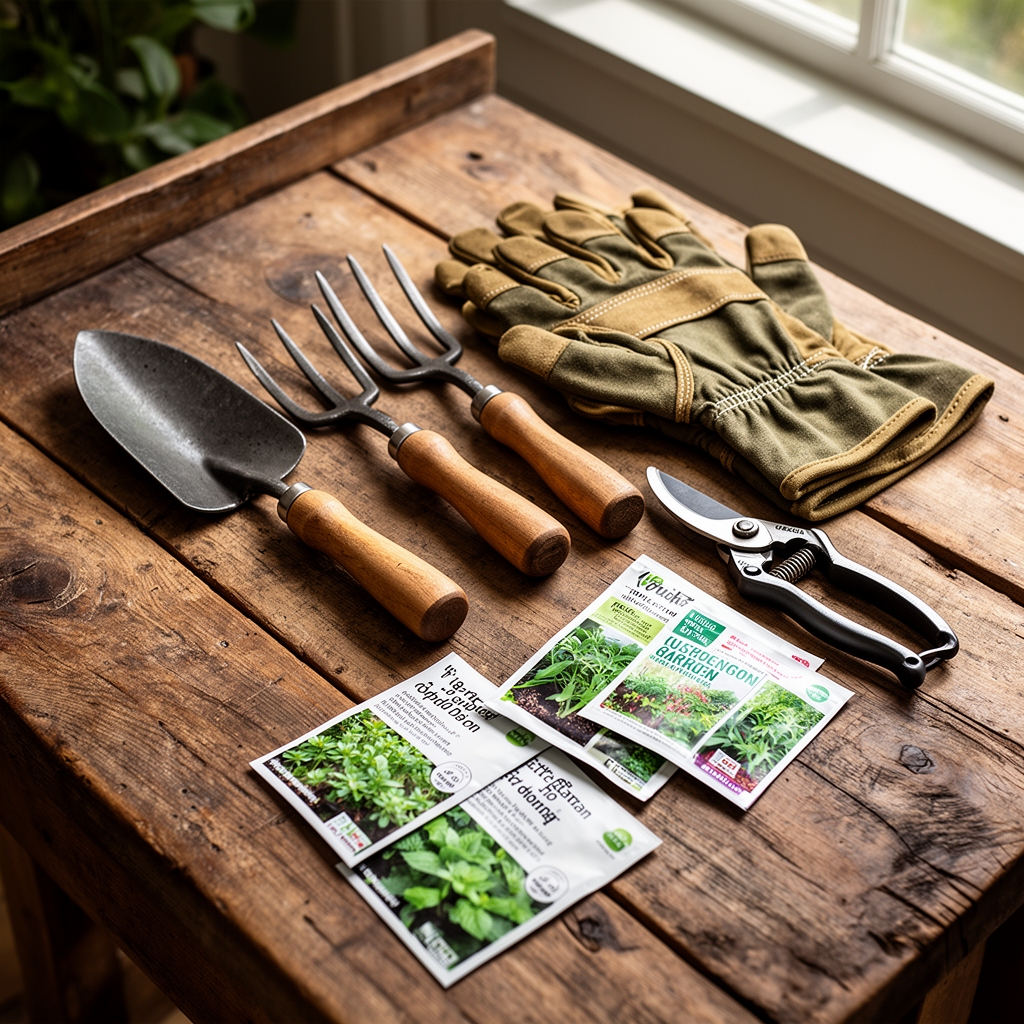
Base layer construction requires three-quarter-inch crushed limestone or decomposed granite, applied at a depth of 4 inches to establish cation exchange capacity and prevent subsurface compaction. Top with pea gravel (3/8-inch diameter) at 2-inch depth for improved drainage and paw comfort. Edging demands pressure-treated lumber rated for ground contact or galvanized steel at 8-inch height to contain aggregate and define boundaries.
For perimeter plantings that withstand urine exposure, select species tolerant of pH fluctuations between 6.0 and 8.5. Ornamental grasses such as blue fescue (Festuca glauca) and deer grass (Muhlenbergia rigens) exhibit resilience when fertilized with a balanced 4-4-4 organic meal applied at 2 pounds per 100 square feet in early spring. Avoid nitrogen-heavy formulations exceeding 10-5-5 ratios, which accelerate foliar growth but compromise drought tolerance.
Geotextile landscape fabric rated at 3.2-ounce weight per square yard prevents subsurface weed emergence while permitting water infiltration at 50 gallons per square foot per minute. Secure with 6-inch galvanized staples every 18 inches along seams.
Timing
Hardiness Zones 3 through 7 require installation between April 15 and May 30, after final frost dates when soil temperatures stabilize above 50°F at 4-inch depth. This window allows aggregate compaction before summer heat stress and provides sufficient time for mycorrhizal fungi colonization in perimeter plantings before first autumn freeze.
Zones 8 through 10 permit year-round installation but benefit from October through February scheduling to avoid monsoon saturation and extreme evapotranspiration rates. Soil moisture content at 15 to 20 percent optimizes compaction without creating anaerobic conditions that inhibit beneficial microbial activity.
In northern regions experiencing frost heave, delay final gravel surfacing until three weeks after base layer installation. This interval allows subsurface settling and identifies low spots requiring additional fill before topdressing.
Phases
Site Preparation
Remove existing vegetation with a sod cutter set to 2-inch blade depth, preserving topsoil for composting or redistribution to ornamental beds. Excavate an additional 6 inches below grade across the entire run footprint. Slope the base at 2 percent gradient toward drainage outlets to prevent pooling that creates muddy conditions and promotes pathogen growth.
Install French drain systems if native soil exhibits clay content above 40 percent or percolation rates slower than 1 inch per hour. Position 4-inch perforated drain pipe at the lowest elevation point, surrounded by 6 inches of washed river rock before backfilling with excavated soil.
Pro-Tip: Incorporate endomycorrhizal fungi inoculant (Glomus intraradices) at 2 ounces per cubic foot into perimeter planting zones to enhance drought tolerance and nutrient uptake efficiency in ornamental species.
Aggregate Installation
Spread crushed limestone base in 2-inch lifts, compacting each layer with a plate compactor delivering 3,000 to 5,000 pounds of centrifugal force. Achieve 95 percent compaction density as measured by nuclear density gauge or sand cone test. Uniform compaction prevents differential settling that creates trip hazards and accelerates surface wear.
Layer geotextile fabric directly onto compacted base, overlapping seams by 6 inches and oriented perpendicular to primary traffic flow. Apply pea gravel topdress immediately after fabric installation to prevent UV degradation and wind displacement.
Pro-Tip: Moisten each aggregate lift with fine mist spray delivering 0.25 inches of water before compaction to optimize particle binding and reduce dust generation during mechanical compression.
Perimeter Planting
Position containerized perennials 18 inches beyond run edging to prevent root damage from canine excavation behavior. Amend planting holes with 30 percent compost by volume and incorporate slow-release fertilizer at manufacturer-specified rates, typically 1 tablespoon per gallon of root ball volume.
Maintain 3-inch mulch depth using shredded hardwood bark around planted specimens to moderate soil temperature fluctuations and suppress opportunistic weed germination. Keep mulch 2 inches away from plant crowns to prevent crown rot pathogens.
Pro-Tip: Select species exhibiting allelopathic properties such as catmint (Nepeta x faassenii) or Russian sage (Perovskia atriplicifolia) to naturally discourage weed establishment through biochemical root exudates.
Troubleshooting
Symptom: Surface gravel displacement creating bare patches within eight weeks of installation.
Solution: Increase base layer depth to 5 inches and reduce top gravel diameter to 1/4 inch. Install border edging extending 2 inches above finished grade to contain lateral spreading during high-activity periods.
Symptom: Yellow patches in adjacent lawn turf within 3 feet of run perimeter.
Solution: Nitrogen depletion from female dog urine (containing 3 to 4 grams urea per void) causes osmotic stress. Apply gypsum at 10 pounds per 100 square feet quarterly to improve calcium-to-sodium ratios and flush accumulated salts beyond root zones.
Symptom: Moss colonization on aggregate surface in shaded sections.
Solution: Reduce overhead canopy density by pruning tree branches to allow 4 to 6 hours direct sunlight daily. Apply ferrous sulfate at 3 ounces per gallon water as foliar spray to acidify surface pH below 5.5, creating inhospitable conditions for bryophyte establishment.
Symptom: Compaction and rutting along primary entrance corridor.
Solution: Install rubber stall mats rated for 1,200 PSI compression in high-traffic zones. Rake and redistribute pea gravel monthly to maintain uniform 2-inch depth and prevent subgrade exposure.
Maintenance
Rake gravel surfaces weekly to redistribute aggregate and break up compacted zones where auxin distribution from dog paws creates mechanical pressure. Hose down surfaces monthly with 1 inch of water to flush accumulated fecal bacteria and reduce ammonia concentrations that elevate surface pH above 8.0.
Replenish pea gravel at 1/2 inch depth annually each spring to compensate for displacement and particle breakdown. Remove debris and organic matter accumulation quarterly to maintain drainage efficiency and prevent anaerobic decomposition that attracts insect pests.
Apply granular limestone at 5 pounds per 100 square feet every 24 months to buffer pH fluctuations and maintain optimal cation exchange capacity in base layers. Test soil pH in perimeter beds annually, adjusting with elemental sulfur at 1 pound per 100 square feet if readings exceed 7.5.
Prune perimeter plantings in late winter at 45-degree angles 1/4 inch above outward-facing buds to promote lateral branching and increase visual screening density. Remove no more than one-third of total plant mass during single pruning sessions to avoid shock stress.
FAQ
How deep should the base layer be for heavy dog breeds?
Excavate 8 inches total: 5 inches crushed limestone base plus 3 inches pea gravel. Breeds exceeding 80 pounds generate 400 to 600 PSI ground pressure requiring enhanced structural support.
Can I use mulch instead of gravel?
Organic mulches decompose within 6 to 12 months under high traffic, creating uneven surfaces and harboring parasites. Inorganic aggregates provide superior durability and pathogen resistance.
What plants tolerate dog urine best?
Ornamental grasses with deep root systems exceeding 18 inches, including switchgrass (Panicum virgatum) and fountain grass (Pennisetum alopecuroides), dilute nitrogen loads through extensive root mass distribution.
How do I prevent digging along fence lines?
Bury galvanized hardware cloth 12 inches deep along perimeter fencing. Install large river rocks (4 to 6 inches diameter) at fence base to create physical barriers discouraging excavation behavior.
Should I test soil before installation?
Submit samples to cooperative extension for standard soil analysis measuring pH, organic matter content, and cation exchange capacity. Results guide amendment selection and prevent costly substrate incompatibility issues.