9 Tips to Use a Heavy-Duty Rake for Landscape Prep
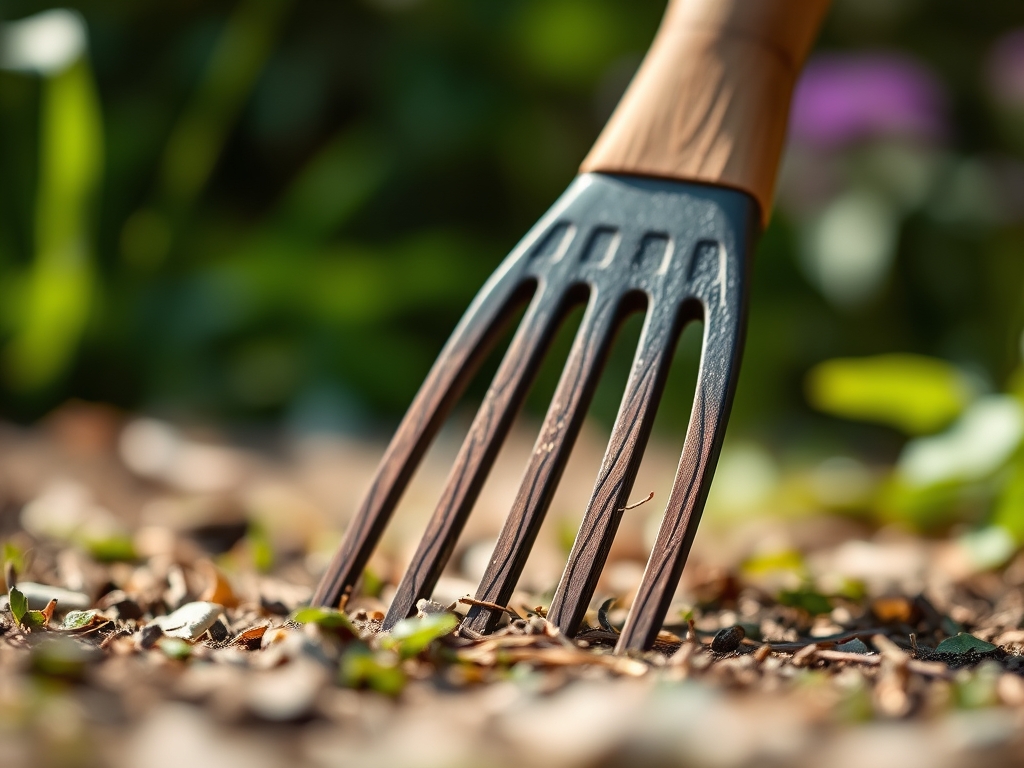
The scent of damp, disturbed earth signals the beginning of any serious site preparation. When the soil reaches a temperature of 55 degrees Fahrenheit, its structural integrity allows for manipulation without causing excessive compaction. Using a rake for professional design requires more than moving debris; it is an exercise in grading the rhizosphere to ensure uniform water distribution and root penetration. A heavy duty rake serves as the primary tool for leveling the grade to prevent anaerobic pockets caused by standing water. By managing the micro-topography of the planting bed, you directly influence the turgor pressure of future specimens. Proper grading ensures that the hydraulic conductivity of the soil remains consistent across the entire plot. This technical approach transforms a raw site into a high performance substrate. Every pass of the steel tines must be intentional. You are not just cleaning the surface; you are calibrating the physical foundation for a complex biological system.
Materials:

Professional landscape preparation requires a substrate with a high Cation Exchange Capacity (CEC), typically found in a **friable loam** consisting of **40% sand, 40% silt, and 20% clay**. The ideal soil pH for a general landscape transition is **6.5 to 7.0**, which optimizes the bioavailability of macronutrients. Before the first rake stroke, the site should be amended based on a professional soil test. For vegetative growth, integrate a fertilizer with an **NPK ratio of 10-10-10** at a rate of **1 pound of nitrogen per 1,000 square feet**. If the soil is heavy clay, incorporate organic matter to increase porosity and lower the bulk density below **1.6 grams per cubic centimeter**. The physical texture should be granular; when squeezed, the soil must form a clump that crumbles easily under light pressure. This ensures that the rake tines can penetrate the top **3 inches** of the profile to break up surface crusting and improve gas exchange within the soil matrix.
Timing:
The biological clock for site prep is dictated by the transition from dormant to vegetative stages. In Hardiness Zones 5 through 7, the window for heavy duty raking begins 2 to 3 weeks before the average last frost date. This timing allows the soil to settle after being worked but before the surge of microbial activity that accompanies warmer temperatures. In warmer Zones 8 through 10, prep should occur during the late winter months to avoid working the soil during peak transpiration periods. You must monitor the soil moisture content; raking saturated soil destroys the soil structure by collapsing the macropores required for oxygen transport. Wait until the soil does not stick to the rake tines. This period coincides with the "Bud Break" of local indicator species, signaling that the soil is ready to support active root respiration and nutrient uptake.
Phases:

Sowing
When preparing a bed for seed, the rake is used to create a "shattered" surface. Use the tines to create shallow furrows at a depth of 0.25 inches for small seeds. This increases the surface area for seed to soil contact, which is the primary driver of imbibition. After broadcasting, flip the rake to the flat side and lightly compress the surface to eliminate air pockets.
Pro-Tip: Proper seed to soil contact facilitates rapid hydraulic lift. This is critical because imbibition is the first stage of germination; without consistent moisture contact, the seed coat will not rupture, leading to uneven emergence.
Transplanting
For larger specimens, use the rake to level the area surrounding the planting hole. The grade must slope away from the crown at a 2% incline to prevent water from pooling against the stem. Use the rake to incorporate a starter fertilizer with a 5-10-5 NPK ratio into the top 6 inches of the backfill.
Pro-Tip: Leveling the grade prevents adventitious root rot. By ensuring water moves away from the stem, you protect the root flare from chronic saturation, which can lead to the suppression of oxygen exchange and eventual senescence.
Establishing
During the establishment phase, the rake is used to manage mulch layers. Maintain a depth of 2 to 3 inches of organic mulch. Use the rake to pull mulch away from the base of the plants, creating a "donut" shape. This prevents the bark from remaining constantly moist, which can invite fungal pathogens.
Pro-Tip: Managing mulch depth regulates soil thermoregulation. Consistent soil temperatures encourage mycorrhizal symbiosis, where beneficial fungi trade phosphorus for plant carbohydrates, significantly increasing the plant's effective root surface area.
The Clinic:
Physiological disorders often stem from poor site prep. Observe the following symptoms to diagnose issues in the field.
Symptom: Nitrogen Chlorosis
This appears as a general yellowing of older leaves while the veins remain green. It indicates a lack of mobile nitrogen.
Fix-It: Incorporate a high nitrogen source like blood meal or a 21-0-0 ammonium sulfate fertilizer into the top layer of soil using the rake tines.
Symptom: Iron Chlorosis
New growth emerges pale yellow or white while older leaves remain green. This is common in high pH soils (above 7.5).
Fix-It: Apply chelated iron or elemental sulfur to lower the pH to a range of 6.0 to 6.5. Use the rake to ensure the sulfur is evenly distributed across the root zone.
Symptom: Compaction Stunting
Plants exhibit limited lateral growth and small, leathery leaves. This occurs when the bulk density of the soil is too high.
Fix-It: Use a heavy duty rake or a broadfork to aerate the soil. Breaking the surface crust allows for better gas exchange and water infiltration.
Maintenance:
Post-design maintenance requires precision tools and consistent data. Use a soil moisture meter to ensure the root zone stays between 60% and 80% field capacity. Most landscape plants require 1.5 inches of water per week, delivered at the drip line to encourage lateral root expansion. When pruning for structural integrity, use bypass pruners to make clean cuts at the branch collar, avoiding the branch bark ridge. For weeding in tight spaces, a hori-hori knife allows you to extract taproots without disturbing the surrounding soil grade. Regularly check for mulch "volcanoes" and use your rake to redistribute the material to the proper 3-inch depth. This prevents the roots from growing upward into the mulch layer, a condition that makes the plant highly susceptible to drought stress.
The Yield:
If your landscape design includes flowering perennials or woody ornamentals, timing the harvest for floral arrangements is essential. Harvest during the "cool of the day," typically before 9:00 AM, when the plant has maximum turgor pressure. Use sharp snips to cut stems at a 45-degree angle to maximize the surface area for water uptake. Immediately submerge the stems in water conditioned to a pH of 3.5 to 4.5 to inhibit bacterial growth. For woody stems, a vertical slit of 1 inch at the base of the cut can further improve hydration. This ensures "day-one" freshness and extends the vase life of the specimen by maintaining the hydraulic column within the xylem.
FAQ:
How do I fix uneven soil before planting?
Use a heavy duty rake to drag high-density soil into depressions. Check the grade using a 4-foot level or transit. Aim for a 2% slope away from structures to ensure proper drainage and prevent root zone saturation.
What NPK ratio is best for new landscapes?
A balanced 10-10-10 NPK ratio is standard for general site prep. It provides sufficient nitrogen for leaf production, phosphorus for root development, and potassium for cellular wall strength and overall stress tolerance during the establishment phase.
Why is soil pH important for professional design?
Soil pH dictates nutrient availability. At a pH above 7.5, micronutrients like iron and manganese become chemically locked. Keeping soil between 6.5 and 7.0 ensures the highest cation exchange capacity and prevents nutrient deficiencies in the rhizosphere.
How deep should I rake when amending soil?
Rake amendments into the top 3 to 6 inches of the soil profile. This depth targets the primary "feeder root" zone where most nutrient uptake occurs. Deep integration prevents the stratification of nutrients and encourages downward root migration.