8 Best Hardy Plants for Professional Landscape Design
The smell of damp earth and the snap of a leaf with high turgor pressure define the professional workspace. Selecting the best plants for professional design requires more than an aesthetic eye; it demands an understanding of cellular resilience and metabolic efficiency. A landscape is a living machine. When you specify a specimen, you are betting on its ability to manage transpiration rates under heat stress and maintain structural integrity during dormancy. Success is measured in biomass accumulation and root system architecture. Professionals do not rely on luck. They rely on the physiological adaptability of species that can thrive in the high-traffic, variable-exposure environments of modern urban and suburban sites.
Materials:
Substrate selection is the foundation of plant health. For the hardy species listed below, aim for a **friable loam** with a high Cation Exchange Capacity (CEC). This ensures the soil can hold and release essential ions like potassium and magnesium.
- Acid-Loving Group (pH 5.5 to 6.5): Requires an NPK ratio of 4-12-4 during establishment to prioritize root development over rapid foliar growth.
- Neutral-Alkaline Group (pH 6.5 to 7.5): Thrives with a balanced 10-10-10 slow-release fertilizer.
- Physical Texture: The soil must contain approximately 20 percent macropores for oxygen diffusion to the rhizosphere. Avoid heavy clays that suffocate fine root hairs.
Timing:
Hardiness is defined by the USDA Zone system. The best plants for professional design typically span Zones 4 through 9. Timing the installation is critical to the biological clock. Planting should occur when the soil temperature is consistently above 50 degrees Fahrenheit but before the plant enters its peak reproductive stage.
The transition from vegetative growth to reproductive flowering is governed by the photoperiod. For woody perennials, the goal is to establish the root system during the "dormant" window (late autumn or early spring) so that the plant can maximize auxin production in the spring without the stress of high transpiration rates.
Phases:

Sowing and Seedling Management
For professional designs involving grasses like Panicum virgatum, seeds require a period of cold stratification at 34 to 40 degrees Fahrenheit for 60 days. This breaks physiological dormancy by leaching out abscisic acid, the hormone that prevents premature germination.
Pro-Tip: Maintain consistent moisture to prevent the desiccation of the radicle. The biological why involves imbibition; the seed must absorb water to activate metabolic enzymes that convert stored starches into energy for the emerging embryo.
Transplanting Procedures
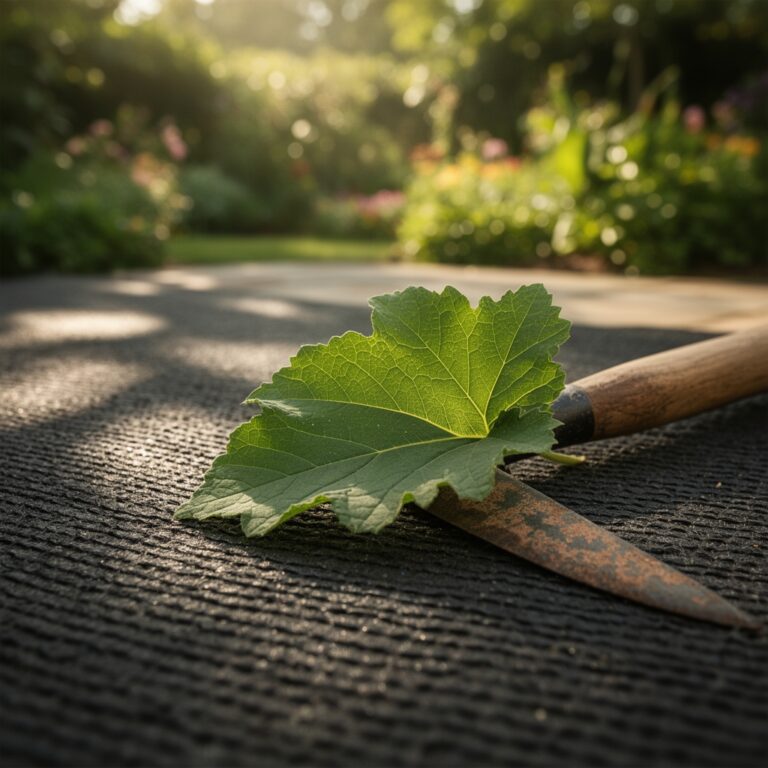
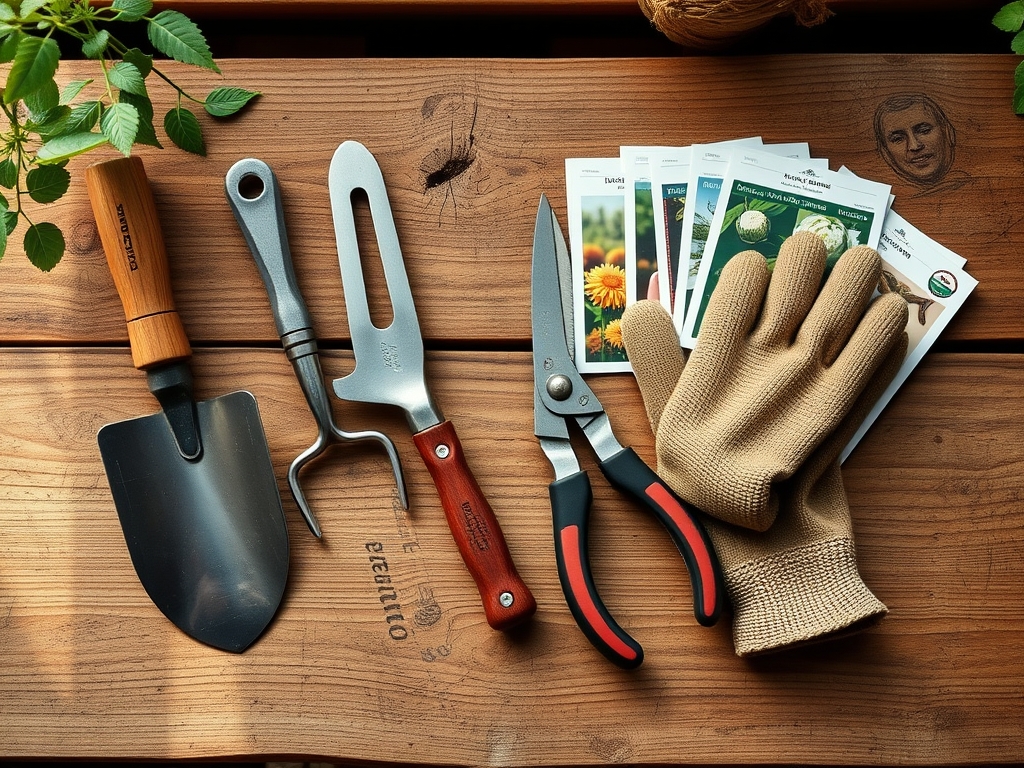
When moving container-grown stock into the field, the root ball must be scarified. Use a hori-hori knife to make vertical incisions in circling roots. This disrupts the mechanical memory of the container and encourages lateral root branching into the surrounding soil matrix.
Pro-Tip: Apply a mycorrhizal inoculant to the planting hole. The biological why is mycorrhizal symbiosis; these fungi extend the reach of the root system by up to 100 times, significantly increasing phosphorus uptake and drought resistance.
Establishing the Specimen
During the first 18 months, the plant is in its establishment phase. Irrigation must be deep and infrequent to encourage geotropism, the downward growth of roots in response to gravity. Surface watering leads to shallow roots and increased vulnerability to frost heave.
Pro-Tip: Avoid heavy nitrogen application in the first year. The biological why is auxin suppression; excess nitrogen can trigger rapid apical growth at the expense of root development, leading to a top-heavy plant with a weak structural base.
The Clinic:
Physiological disorders often mimic pathogen attacks. Accurate diagnosis is essential for professional maintenance.
- Symptom: Interveinal chlorosis on young leaves.
Solution: This indicates Iron deficiency, often caused by a pH above 7.5. Apply chelated iron to lower the localized pH and increase bioavailability.
- Symptom: Marginal leaf scorch on older growth.
Solution: This is typically Potassium deficiency. Potassium regulates stomatal opening; without it, the plant cannot manage water loss. Apply a 0-0-20 sulfate of potash.
- Symptom: Stunted growth with purplish tints on stems.
Solution: Phosphorus deficiency. This is common in cold, wet soils where phosphorus becomes chemically "locked." Improve drainage to increase soil temperature.
Fix-It for Nitrogen Chlorosis: If the entire leaf turns pale green or yellow, starting from the bottom, apply a quick-release nitrate-based fertilizer. Nitrogen is mobile within the plant; the organism will pull nitrogen from old leaves to support new growth during a shortage.
Maintenance:
Precision maintenance separates amateur gardening from professional landscape management. Use a soil moisture meter twice weekly to ensure the root zone remains between 20 and 40 percent volumetric water content.
- Hydration: Apply 1.5 inches of water per week at the drip line. Avoid wetting the foliage to prevent fungal spore germination.
- Pruning: Use bypass pruners for clean cuts that minimize tissue trauma. Prune during dormancy to prevent sap loss and reduce the attraction of boring insects.
- Mulching: Maintain a 3-inch layer of organic mulch. Keep the mulch 4 inches away from the trunk flare to prevent bark decay and opportunistic pathogen entry.
The Yield:
When managing flowering perennials like Echinacea or Lavandula for professional floral use, harvest during the "cool of the day" when turgor pressure is at its maximum.
- Timing: Cut when the first two rings of disc florets have opened.
- Technique: Cut at a 45-degree angle to increase the surface area for water uptake.
- Post-Harvest: Immediately submerge stems in 110-degree Fahrenheit water containing a biocide and a carbohydrate source. This "pulse" treatment ensures day-one freshness by clearing air embolisms from the xylem.
FAQ:
What is the best soil for hardy perennials?
A friable loam with a pH of 6.0 to 7.0 is ideal. Ensure the soil has a high Cation Exchange Capacity (CEC) to facilitate the movement of essential nutrients like calcium and magnesium to the rhizosphere.
How do I prevent transplant shock?
Maintain the root-to-shoot ratio by avoiding excessive pruning at planting. Use mycorrhizal inoculants and ensure the root ball remains hydrated. Avoid high-nitrogen fertilizers which force foliar growth before the root system can support the transpiration demand.
Why are my plant leaves turning yellow?
If the yellowing is between the veins, it is likely iron or magnesium deficiency. If the entire leaf is yellowing starting from the bottom, it is nitrogen deficiency. Always check soil pH before adding nutrients, as pH dictates availability.
When is the best time to prune hardy shrubs?
Prune most hardy shrubs in late winter or early spring while they are still dormant. This timing allows the plant to direct its spring energy surge toward healing the wounds and producing new, vigorous growth.
How much water do professional landscapes require?
Most established hardy plants require 1.5 inches of water per week. This should be delivered in one or two deep applications rather than daily shallow mists to encourage deep root penetration and long-term drought tolerance.