9 Color-Enhancing Benefits of Specialized Succulent Fertilizer
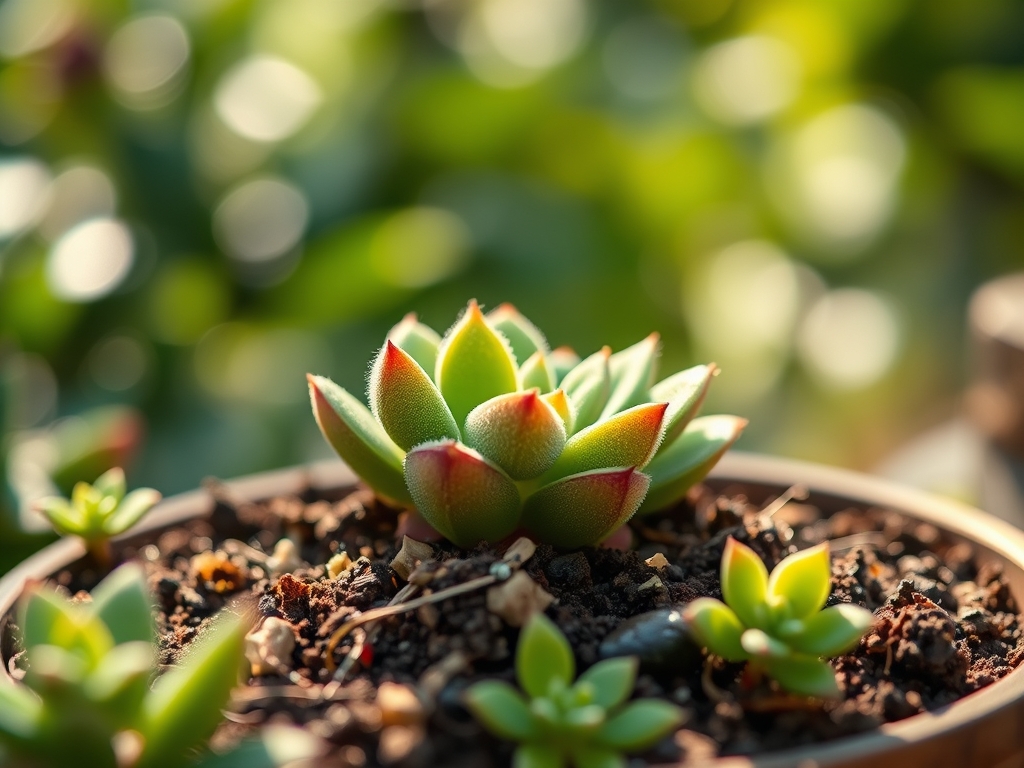
The scent of damp pumice and the gritty texture of decomposed granite define the workspace of a professional succulent grower. When a leaf reaches maximum turgor pressure; the cellular walls are taut and the epidermis feels like cold porcelain; you know the plant is metabolically primed. Achieving the deep anthocyanin purples and carotenoid oranges found in high-end collections requires more than just sunlight. It requires a precise manipulation of the rhizosphere. Using a specialized succulent fertilizer provides the specific mineral ratios necessary to trigger these pigment responses without forcing excessive, weak vegetative growth. Standard fertilizers often contain high nitrogen levels that lead to bloated, green tissues and cellular stretching. By contrast, a low-nitrogen, high-potassium formula reinforces cell wall integrity and enhances the plant's ability to synthesize protective pigments under high light intensity. This chemical signaling is the difference between a washed-out Echeveria and one with deep, glowing margins. Professional cultivation demands a departure from general-purpose solutions toward a targeted nutritional strategy that respects the slow metabolic rate of xeric species.
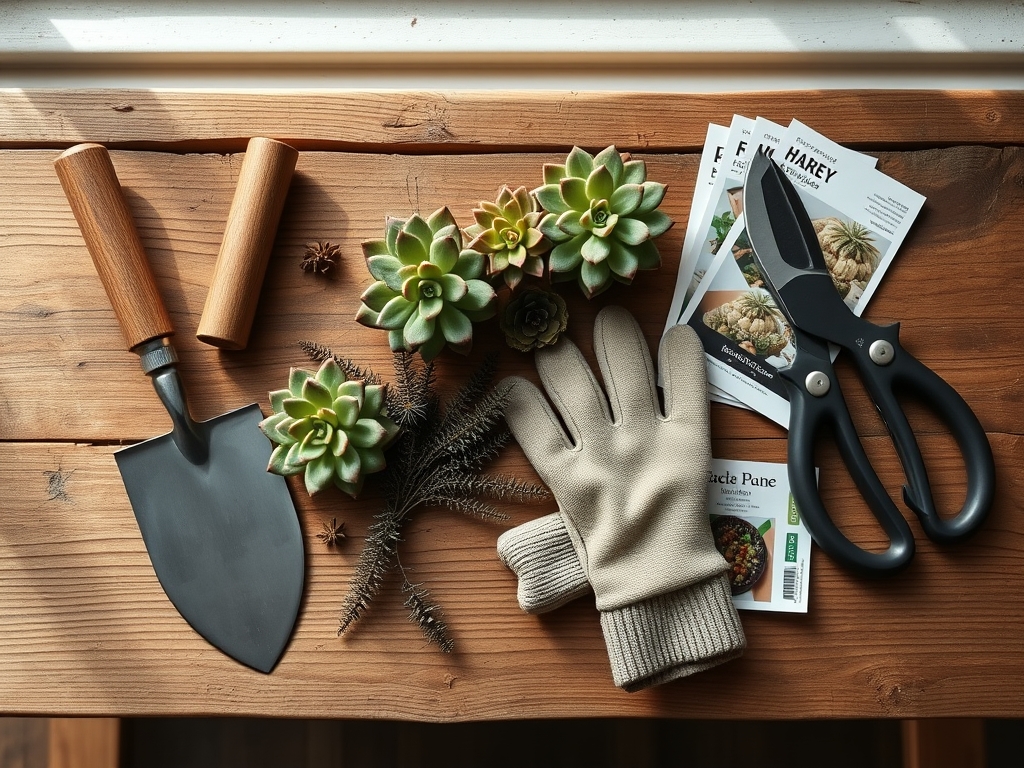
Materials:
The ideal substrate for color-optimized succulents is a **friable loam** with a high mineral content and low organic matter. Aim for a mix that is **70% inorganic** (pumice, perlite, or calcined clay) and **30% organic** (aged pine bark or coco coir). This structure ensures a high **Cation Exchange Capacity (CEC)**, allowing the roots to efficiently swap hydrogen ions for essential nutrients.
Target Soil pH: 5.5 to 6.5. Succulents prefer a slightly acidic environment to maximize the bioavailability of micronutrients like iron and manganese.
Specific NPK Ratios:
- Low Nitrogen (N): A ratio of 1-2-2 or 2-7-7 is preferred. Nitrogen should be kept low to prevent "etiolation," which is the stretching of the stem.
- High Phosphorus (P): Essential for root development and the initiation of reproductive cycles.
- High Potassium (K): This is the "quality" nutrient. It regulates stomatal opening and enhances the synthesis of anthocyanins, the pigments responsible for red and purple hues.
Timing:
Succulent metabolism is dictated by the Biological Clock, specifically the transition from vegetative growth to the dormant or reproductive stages. In Hardiness Zones 9 through 11, many succulents grow actively during the cool winter months (winter-growers) or the heat of summer (summer-growers).
For summer-growers like Agave or Echeveria, the fertilization window opens in early spring, approximately two weeks after the last frost date. Fertilization must cease as temperatures consistently exceed 90 degrees Fahrenheit, as many species enter a semi-dormant state to conserve moisture. For winter-growers like Aeonium or Dudleya, the primary feeding occurs from September through March. Applying nutrients during the correct photoperiod ensures the plant has the energy to produce "stress colors" as it enters its peak aesthetic phase.
Phases:

Sowing and Germination
When starting from seed, use a sterile, fine-grade mineral substrate. Maintain a constant temperature of 70 to 75 degrees Fahrenheit. Avoid fertilization until the first set of true leaves appears. At this stage, use a quarter-strength dilution of specialized fertilizer to support the developing root system without causing salt burn on delicate tissues.
Pro-Tip: Seedlings exhibit high phototropism. Rotate seed trays 45 degrees every two days to ensure even growth and prevent the weakening of the primary stem structure.
Transplanting
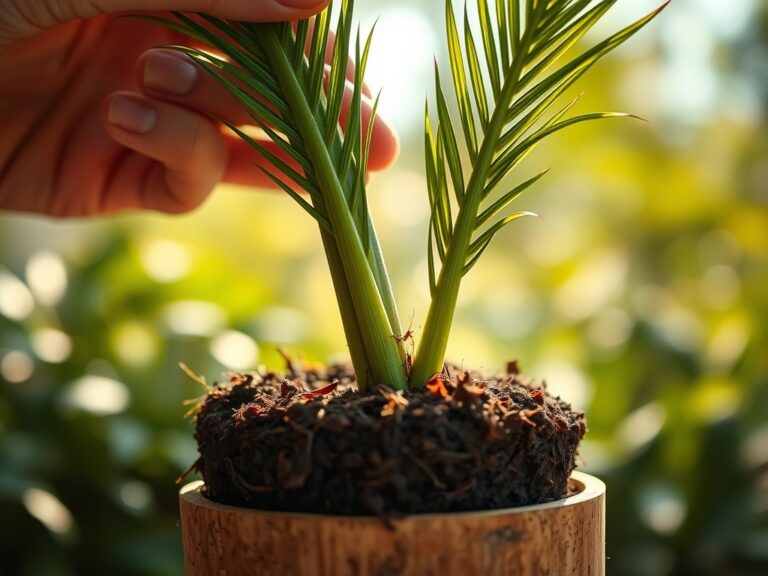
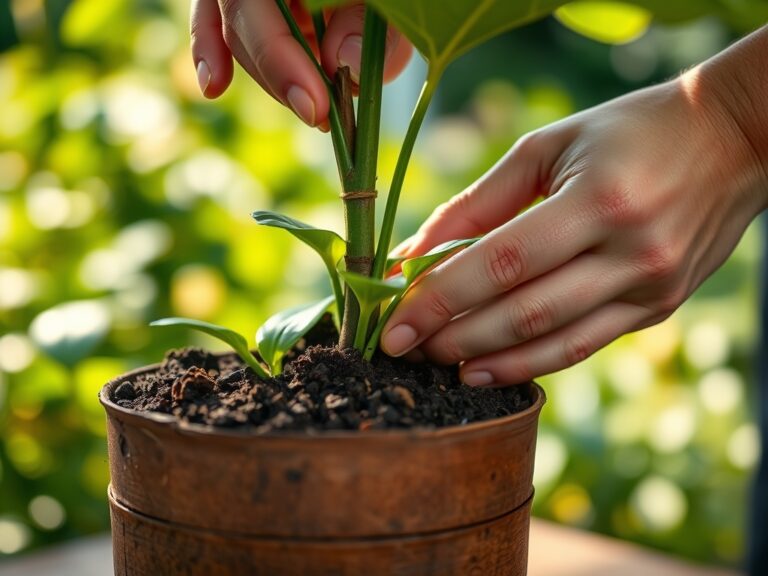
When moving a succulent to a larger vessel, inspect the root architecture for senescence (dead, brown roots). Trim these back using sterilized bypass pruners. Set the plant in dry substrate and wait 5 to 7 days before the first watering. This allows "callousing" of the root tissue, preventing opportunistic fungal pathogens from entering the vascular system.
Pro-Tip: Delaying the first post-transplant watering encourages mycorrhizal symbiosis. The roots seek out moisture, creating a more expansive network that will later utilize specialized fertilizers more efficiently.
Establishing and Coloring
Once the plant is established, usually 3 to 4 weeks post-transplant, begin the coloring regimen. Increase light exposure gradually while providing a fertilizer rich in Magnesium (Mg) and Sulfur (S). These elements are co-factors in enzyme production that stabilize pigment molecules.
Pro-Tip: To maximize color, induce a mild "nutrient stress" by decreasing the frequency of fertilization once the desired size is reached. This triggers auxin suppression in the apical meristem, slowing growth and intensifying the concentration of pigments in the leaf epidermis.
The Clinic:
Physiological disorders in succulents are often misdiagnosed as pests. Accurate identification requires looking at cellular symptoms.
- Symptom: Nitrogen Chlorosis. Leaves turn a pale, uniform yellow, starting from the base of the plant.
- Solution: Apply a balanced 5-5-5 fertilizer at half strength to restore chlorophyll levels.
- Symptom: Edema. Small, corky bumps appear on the underside of leaves. This is caused by high turgor pressure where cells literally burst from over-hydration.
- Solution: Increase airflow and reduce watering frequency; ensure the substrate has a minimum 50% drainage material.
- Symptom: Anthracnose. Sunken, dark spots with concentric rings. This is a fungal pathogen often exacerbated by high humidity and excess nitrogen.
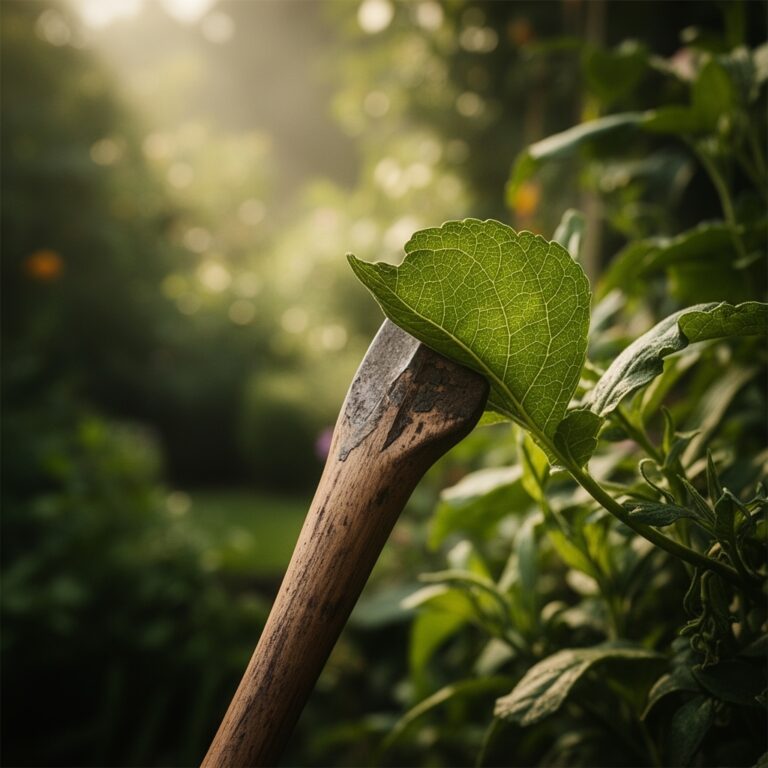
- Fix-It: Remove affected leaves with a hori-hori knife and treat the remaining plant with a copper-based fungicide. Reduce humidity to below 50%.
Maintenance:
Precision is the hallmark of professional maintenance. Use a soil moisture meter to ensure the root zone is completely dry before adding water. For an established 6-inch pot, apply approximately 8 to 10 ounces of water (infused with specialized fertilizer) directly to the soil surface. Avoid getting water in the "crown" of the plant to prevent rot.
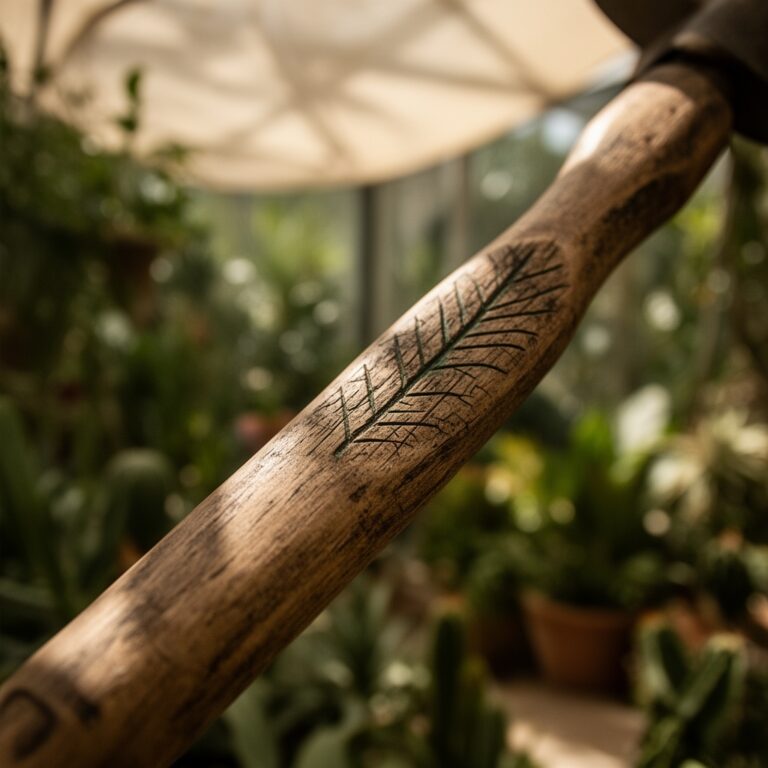
Maintain a "drip line" awareness; the most active root hairs are often at the periphery of the pot. Use a hori-hori knife to gently aerate the top 0.5 inches of soil every three months to prevent mineral crusting. This ensures oxygen reaches the rhizosphere, which is vital for nutrient uptake.
The Yield:
While most succulents are grown for aesthetics, flowering species like Kalanchoe or Aloe require specific post-bloom care. Once the inflorescence begins to fade, cut the stalk at the base using bypass pruners. This redirects energy from seed production back into the foliage and root system. For "offset" harvesting (removing pups), wait until the offset is one-third the size of the parent plant. This ensures the pup has enough stored carbohydrates to survive the transition to its own root system.
FAQ:
How often should I use specialized succulent fertilizer?
Apply fertilizer once every two to four weeks during the active growing season. Always dilute to half-strength of the manufacturer's recommendation. Do not fertilize during extreme heat or deep winter dormancy when the plant's metabolic rate is low.
Why are my succulent leaves turning green despite the fertilizer?
Excessive nitrogen or insufficient UV light causes the plant to produce more chlorophyll. To regain color, reduce nitrogen input and gradually increase light exposure to trigger the production of protective anthocyanin pigments within the leaf tissue.
Can I use a standard 10-10-10 fertilizer for my succulents?
Standard fertilizers are too high in nitrogen for most xeric species. They promote rapid, weak growth that is susceptible to pests. A specialized succulent fertilizer with a lower N-to-K ratio is necessary for structural integrity and color.
What is the best way to apply liquid fertilizer?
Always apply liquid fertilizer to pre-moistened soil. Applying nutrients to bone-dry roots can cause "root burn" due to the high salt concentration. Ensure the solution reaches the entire root ball and drains freely from the bottom.