6 Zoning Steps to Prepare a Productive Permaculture Garden
Crush a handful of damp earth and you should smell geosmin; the earthy byproduct of Actinobacteria activity. This scent indicates a living soil matrix ready for cultivation. When you understand how to prepare a garden for a permaculture vegetable garden, you transition from a consumer of inputs to a manager of ecosystems. Success is measured by the turgor pressure in a leaf, where water potential remains high enough to keep the plant rigid against the pull of gravity. You are not merely planting seeds. You are engineering a rhizosphere where nutrient cycling occurs autonomously. This process requires a shift from linear gardening to a concentric zoning model. By prioritizing soil structure and biological diversity, you ensure that every calorie of energy invested yields a maximum return of biomass.
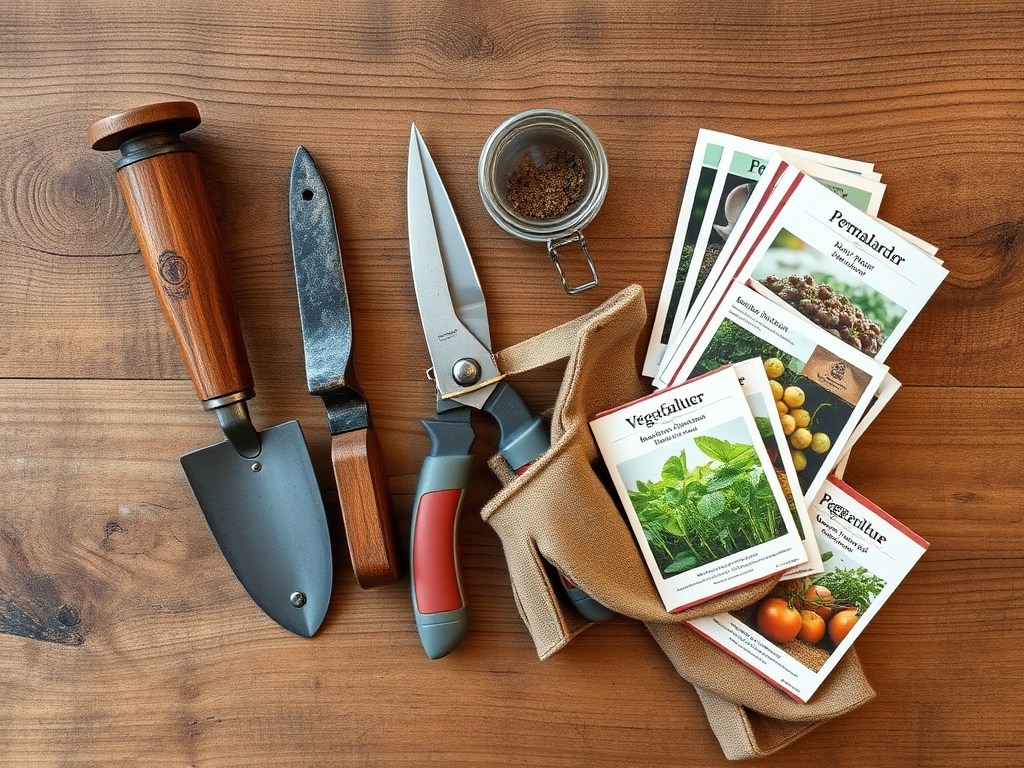
Materials:
The foundation of a permaculture system is a friable loam. This substrate consists of roughly 40 percent sand, 40 percent silt, and 20 percent clay. This specific ratio ensures adequate pore space for oxygen while maintaining a high Cation Exchange Capacity (CEC). A high CEC allows the soil to hold onto essential positively charged ions like Calcium (Ca2+), Magnesium (Mg2+), and Potassium (K+).
Target a soil pH between 6.2 and 6.8 for most vegetable crops. At this range, phosphorus remains bioavailable and does not lock up with aluminum or iron. For initial bed preparation, utilize organic amendments with specific NPK ratios. Use well-aged compost with a 1-1-1 ratio for general microbial inoculation. For heavy feeders in Zone 1, supplement with blood meal (12-0-0) for vegetative growth or bone meal (3-15-0) to support root architecture and fruit development. Avoid synthetic salts that dehydrate the soil microbiome and collapse the delicate fungal hyphae necessary for nutrient transport.
Timing:
Timing is governed by the USDA Hardiness Zones and the local frost-free window. In Zones 5 through 7, the primary growing season spans from late April to October. However, permaculture preparation begins in the dormant season. Sheet mulching should occur at least 90 days before the last expected frost to allow for anaerobic decomposition of weeds and the subsequent aerobic colonization by earthworms.
The biological clock of the plant dictates the transition from the vegetative stage to the reproductive stage. This is often triggered by the photoperiod; the amount of light received in a 24-hour cycle. For example, short-day plants require a period of darkness exceeding 12 hours to initiate flowering. Understanding the "degree days" (the accumulation of heat units above a base temperature of 50 degrees Fahrenheit) allows a gardener to predict harvest windows with mathematical precision. Monitoring these thermal units ensures that transplants enter the ground when soil temperatures consistently exceed 60 degrees Fahrenheit, preventing the stunting of root metabolic rates.
Phases:

Sowing and Stratification
Direct sowing requires a seedbed with a fine tilth. Small seeds like carrots should be sown at a depth no greater than three times their diameter. For seeds with hard coats, cold stratification at 34 to 40 degrees Fahrenheit for several weeks may be necessary to break dormancy.
Pro-Tip: Utilize the principle of Auxin Suppression. When you pinch the apical meristem (the growing tip) of a young plant, you stop the downward flow of the hormone auxin. This allows lateral buds to develop, creating a bushier, more resilient plant structure.
Transplanting and Hardening Off
Transplanting involves moving seedlings from a controlled environment to the field. This process must be preceded by "hardening off," where plants are exposed to outdoor conditions for increasing intervals over 7 to 10 days. This strengthens the cuticle layer of the leaves to prevent excessive transpiration.
Pro-Tip: Dip roots in a mycorrhizal inoculant during transplanting. This establishes a Mycorrhizal Symbiosis, effectively expanding the root surface area by up to 1,000 times. The fungi trade scavenged phosphorus for plant-produced carbohydrates.
Establishing the Guild
In permaculture, plants are grouped into "guilds" to maximize vertical and horizontal space. This involves planting a central nitrogen-fixer, such as a black locust or a legume, surrounded by dynamic accumulators like comfrey.
Pro-Tip: Observe Phototropism in your spacing. Ensure that taller "overstory" plants do not shade out sun-loving "understory" crops. Position your tallest elements on the north side of the plot to prevent them from casting long shadows over the smaller vegetables during the peak solar noon.
The Clinic:
Physiological disorders often mimic infectious diseases but are rooted in environmental stress or nutrient imbalance.
- Symptom: Blossom End Rot. This appears as a sunken, leathery black spot on the base of tomatoes or peppers.
- Solution: This is a Calcium deficiency often caused by erratic watering. Maintain consistent soil moisture to ensure the steady transpiration-led movement of Calcium to the fruit.
- Symptom: Nitrogen Chlorosis. The older, lower leaves turn a uniform pale yellow while the veins remain slightly green.
- Solution: Apply a high-nitrogen liquid drench, such as fish emulsion, to provide immediate bioavailability.
- Symptom: Interveinal Chlorosis. The tissue between the leaf veins turns yellow, but the veins remain dark green. This typically indicates a Magnesium or Iron deficiency.
- Solution: Check the pH first. If pH is above 7.0, Iron becomes insoluble. Lower the pH using elemental sulfur or apply chelated minerals.
- Symptom: Leaf Curl. Leaves twist or roll upward, often seen in nightshades during high heat.
- Solution: This is a defense mechanism to reduce the surface area exposed to the sun and limit water loss. Increase mulch depth to 4 inches to cool the root zone.
Maintenance:
Precision maintenance prevents system collapse. Use a soil moisture meter to ensure the root zone remains between 60 and 80 percent of field capacity. For most established vegetable gardens, this equates to 1.5 inches of water per week delivered at the drip line. Avoid overhead irrigation; wet foliage encourages fungal pathogens like powdery mildew.
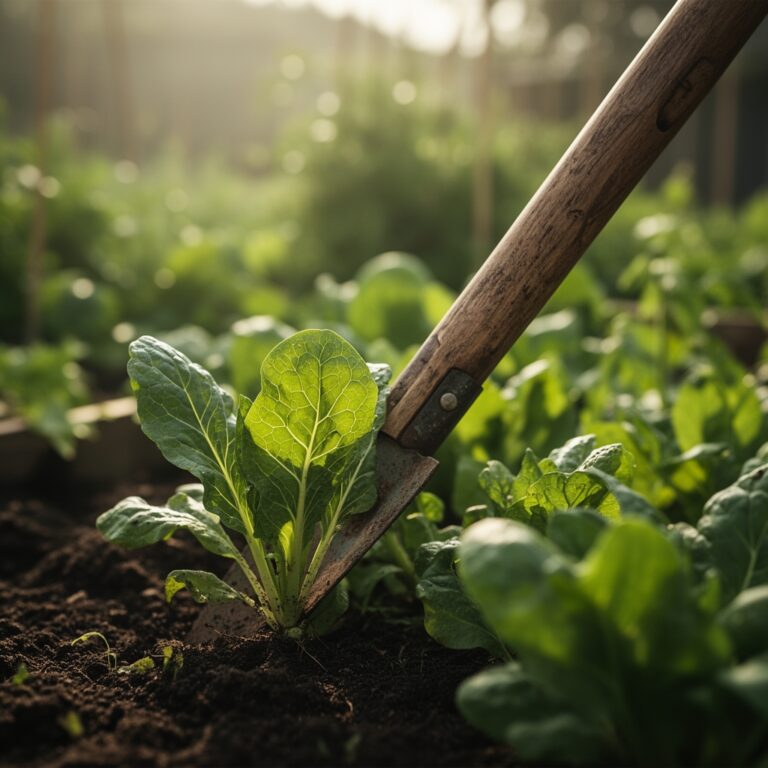
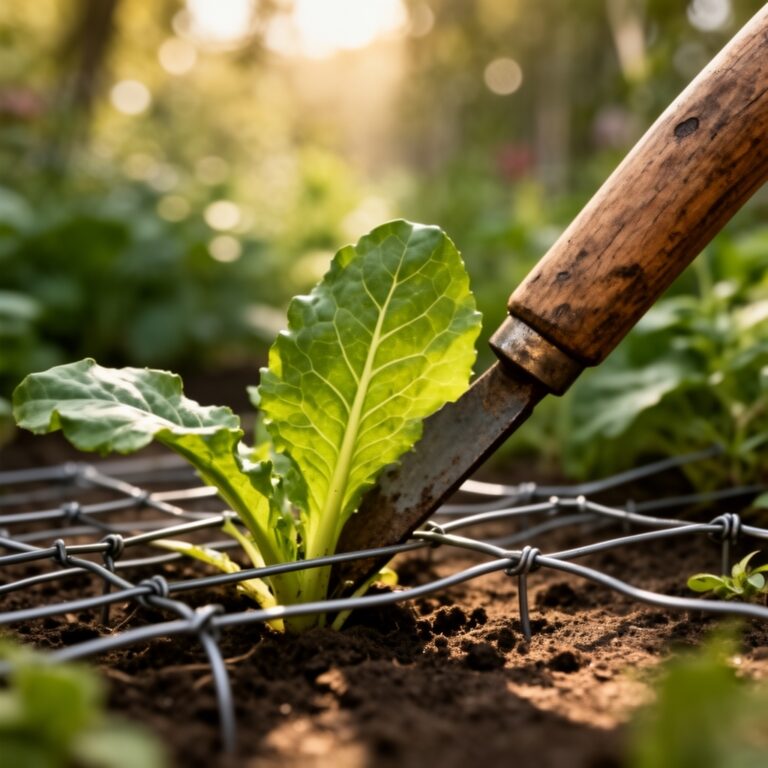
Keep a hori-hori knife sharpened for precise weeding and planting. This tool allows you to cut weed roots below the soil surface without disrupting the soil horizons. Use bypass pruners for clean cuts on woody stems; anvil pruners can crush vascular tissue, leading to necrosis. Regularly monitor the "Zoning" of your garden. Zone 1 (the area closest to the house) should contain high-maintenance crops like salad greens that require daily attention. Zone 2 and beyond are reserved for perennials and orchards that require less frequent intervention.
The Yield:
Harvesting is the final stage of the energy cycle. For leafy greens, harvest in the early morning when turgor pressure is at its peak. This ensures the leaves are crisp and have a longer shelf life. For fruiting crops like peppers or beans, use pruners rather than pulling by hand to avoid damaging the brittle stems of the parent plant.
Post-harvest handling is critical for "day-one" freshness. Rapidly cooling produce to 40 degrees Fahrenheit slows down the respiration rate and prevents the degradation of sugars into starches. For root crops, leave a small amount of soil on the skin to maintain a protective barrier against desiccation, but remove the green tops immediately to prevent them from drawing moisture out of the root.
FAQ:
How do I fix compacted soil in a permaculture garden?
Avoid tilling, which destroys soil structure. Instead, use a broadfork to aerate the soil without turning it. Plant deep-rooted cover crops like forage radishes to naturally fracture compacted subsoil layers through biological force.
What is the best mulch for a vegetable garden?
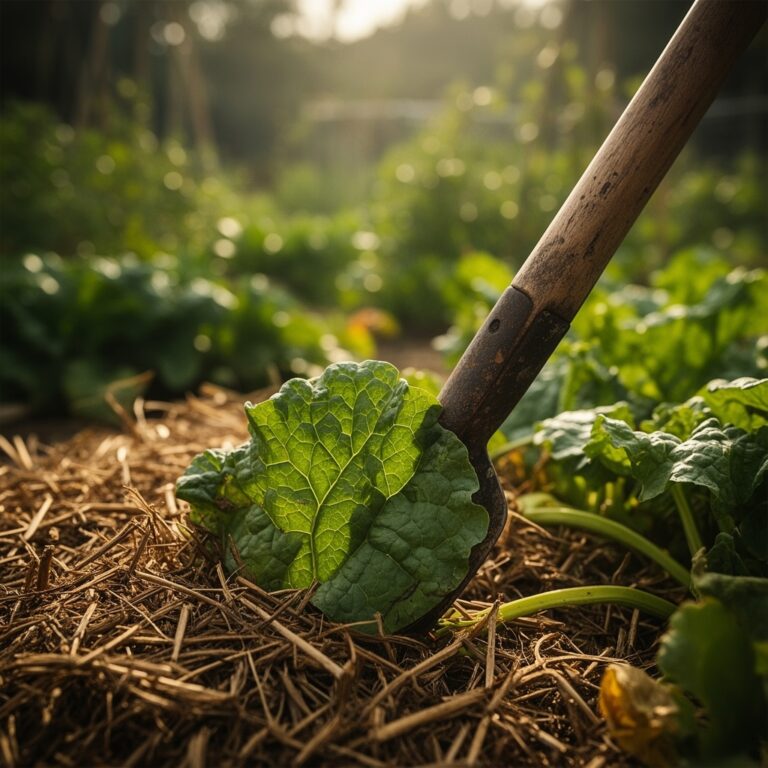
Use clean, seed-free straw or shredded leaves. These materials provide a carbon source for soil microbes while suppressing weeds. Aim for a depth of 3 to 4 inches to regulate soil temperature and minimize evaporation.
How often should I test my soil pH?
Conduct a professional soil test every 2 to 3 years. This provides data on pH, CEC, and organic matter percentages. Regular testing prevents the over-application of nutrients, which can lead to toxic mineral accumulations.
Can I start a permaculture garden on a slope?
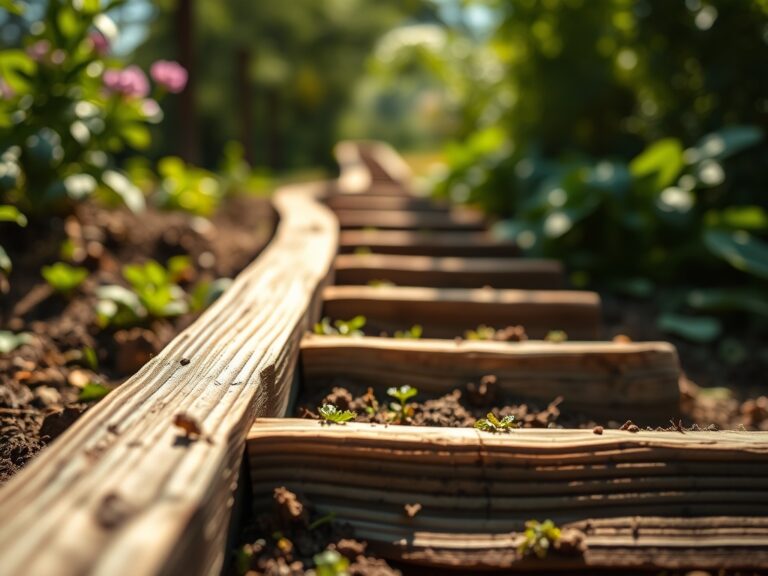
Yes, use swales or terraces built on the contour of the land. Swales are shallow trenches that catch and infiltrate rainwater, preventing erosion and creating "plumes" of hydrated soil for downstream plantings.