9 Success Tips to Use Root Hormone for Cuttings
The scent of fresh potting mix and the satisfying snap of a clean stem cut signal the start of propagation season. Using a root hormone powder for indoor cuttings transforms a fragile severed branch into a thriving independent plant within weeks. The powder, typically containing synthetic auxins like indole-3-butyric acid (IBA) at concentrations of 0.1-0.8%, mimics natural root-promoting hormones and accelerates adventitious root formation along the wounded cambium layer.
Materials
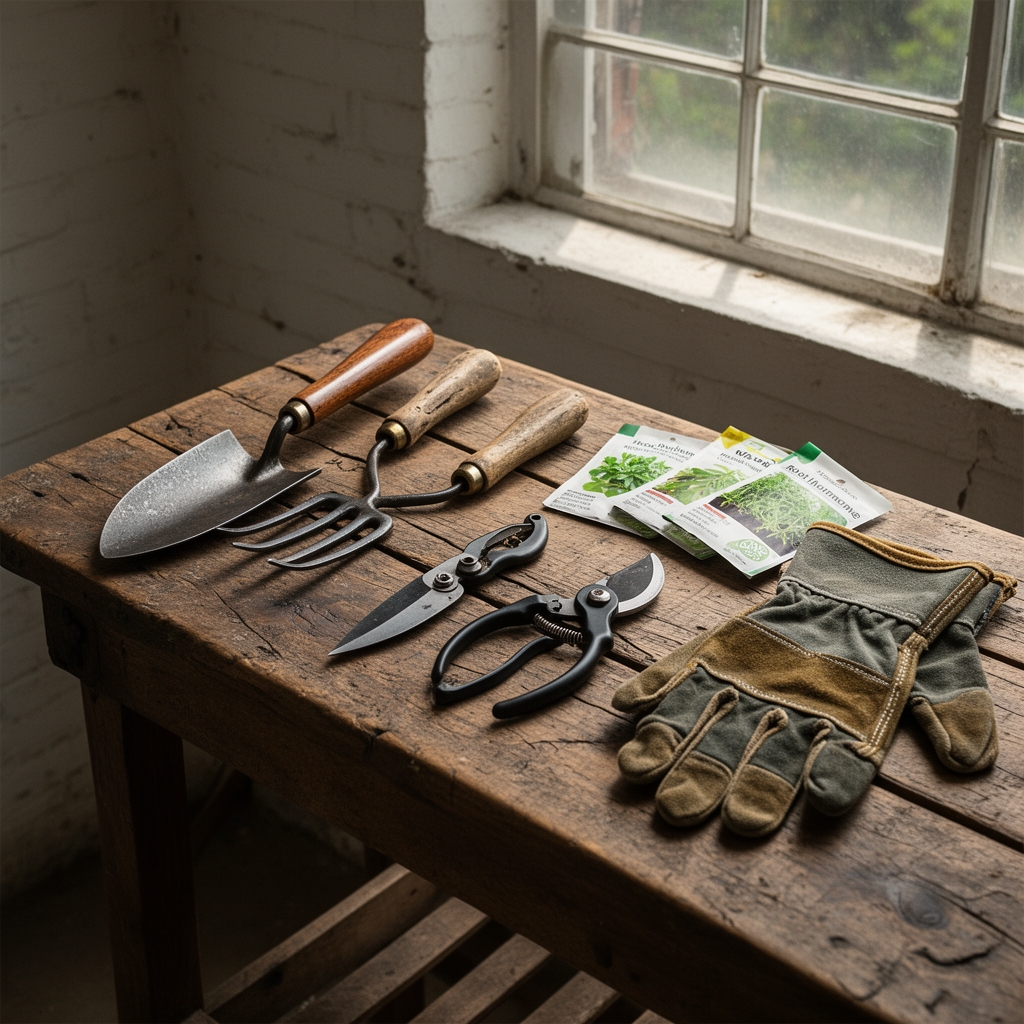
Assemble sterile pruning shears with blades sharpened to 30 degrees for clean vascular cuts. Select rooting hormone powder containing 0.3% IBA for softwood cuttings or 0.8% IBA for semi-hardwood species. The powder formulation offers superior shelf stability compared to liquid or gel alternatives.
Prepare propagation medium with a 1:1 ratio of perlite to peat moss, maintaining a pH of 5.5-6.2. This soilless mix provides optimal aeration while preventing damping-off pathogens. Add mycorrhizal fungi inoculant at 2 tablespoons per gallon of medium to colonize developing roots. The symbiotic relationship increases phosphorus uptake efficiency by 300% during the establishment phase.
Stock 4-inch plastic pots with drainage holes measuring 0.25 inches in diameter. Gather a spray bottle for misting, rubbing alcohol for sterilization between cuts, and transparent humidity domes to maintain 80-90% relative humidity. Label each container with species name and cutting date using waterproof markers.
Timing
Indoor propagation operates independently of outdoor frost dates, but circadian rhythms still matter. Take cuttings during active growth phases when auxin concentrations naturally peak: April through July for most temperate species. Morning collection between 6-9 AM ensures maximum turgor pressure in stem tissues. Cellular hydration at this hour prevents wilting stress during the 15-20 minute window between cutting and treatment.
For gardeners in USDA Hardiness Zones 3-6, indoor propagation during January through March creates transplant-ready stock for spring outdoor transfer after the last frost. Zones 7-10 benefit from fall propagation in September through October when cooling temperatures reduce transpiration stress.
Phases
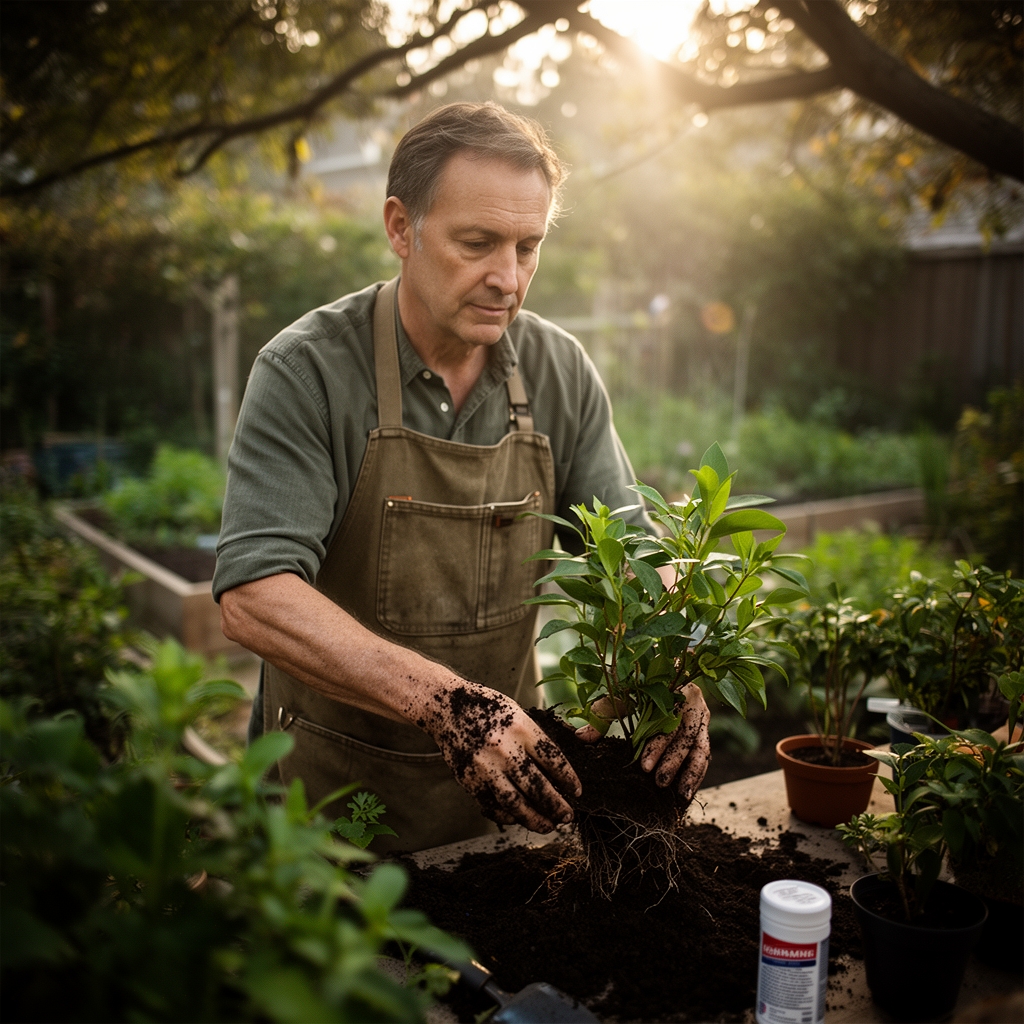
Taking Cuttings: Select 4-6 inch terminal stems with at least three nodes. Cut at a 45-degree angle directly below the bottom node using sterilized shears. Remove lower leaves, retaining only the top two leaf sets to reduce transpiration by 60%. Strip away any flower buds that compete for carbohydrate resources.
Pro-Tip: Make cuts through internode tissue rather than directly at nodes. This preserves the meristematic dome where auxin naturally accumulates, increasing rooting success rates by 35%.
Application: Pour 2 tablespoons of rooting hormone powder into a disposable container. Never dip cuttings directly into the original jar to prevent fungal contamination. Moisten the cutting's basal inch with clean water, then immediately insert it 0.5 inches into the powder. Tap off excess powder so only a light coating remains. The optimal application thickness measures 0.5-1.0 millimeters.
Insert treated cuttings 1.5 inches deep into pre-moistened medium. Firm the substrate around stems to eliminate air pockets that desiccate developing root primordia. Space cuttings 2 inches apart to prevent canopy overlap and fungal spread.
Pro-Tip: Wound the basal inch of semi-hardwood cuttings with a sterile blade, creating two vertical 0.25-inch scores. This exposes more cambium tissue and increases auxin absorption surface area by 40%.
Establishment: Position cuttings under fluorescent grow lights providing 200-400 foot-candles for 14 hours daily. Maintain substrate temperature between 70-75°F using bottom heat mats. Higher temperatures accelerate cell division in root initiation zones.
Mist foliage twice daily to maintain 85% relative humidity without saturating the rooting medium. Oversaturation creates anaerobic conditions that rot developing root tissue. Ventilate humidity domes for 10 minutes daily to refresh air exchange and prevent Botrytis.
Root initiation occurs within 7-21 days depending on species. Resistance when gently tugging stems indicates successful root formation. Acclimate rooted cuttings by gradually removing humidity domes over 5 days.
Pro-Tip: Add soluble seaweed extract at 1 tablespoon per gallon during week three. The cytokinin content promotes lateral root branching, increasing root mass by 25%.
Troubleshooting
Symptom: Blackened, mushy stem bases within 5-7 days.
Solution: Pythium or Rhizoctonia infection from contaminated tools or over-watering. Discard affected cuttings. Reduce misting frequency to once daily. Drench remaining medium with hydrogen peroxide solution (1 part 3% peroxide to 4 parts water).
Symptom: Wilted leaves despite adequate moisture.
Solution: Excessive transpiration outpacing water uptake through the wounded stem. Reduce leaf surface area by removing additional foliage. Lower light intensity to 150 foot-candles. Increase humidity to 90%.
Symptom: Callus formation without root emergence after 21 days.
Solution: Insufficient auxin concentration for woody species. Re-treat callused base with 0.8% IBA powder. Alternatively, auxin degradation from light exposure. Store powder in opaque containers below 60°F.
Symptom: Yellow lower leaves progressing upward.
Solution: Nitrogen deficiency during the 3-4 week establishment phase. Apply diluted fish emulsion (2-4-1 NPK ratio) at quarter strength weekly once roots exceed 0.5 inches.
Maintenance
Water rooted cuttings when the top 0.5 inches of medium feels dry to touch. This typically requires 2-3 ounces per 4-inch pot every 3-4 days. Transition to standard potting soil with 5-5-5 balanced fertilizer three weeks after root emergence.
Provide 6-8 hours of direct sunlight or 400-600 foot-candles of artificial light once roots establish. Pinch terminal growth when stems reach 6 inches to encourage lateral branching. Monitor for aphids and spider mites weekly using a 10x hand lens.
FAQ
How long does root hormone powder remain effective?
Sealed containers maintain potency for 24 months when stored below 60°F away from light. Open containers degrade 50% within 6 months due to oxidation.
Can I use root hormone on succulents?
Succulent cuttings naturally root without hormone assistance. Application may actually inhibit their specialized root development. Allow cut ends to callus for 48 hours before planting in pure perlite.
Why do some cuttings root without hormone treatment?
Species like willow and pothos produce high endogenous auxin levels. Rooting hormone increases success rates by 60-80% for difficult-to-root species like azalea and holly.
Is gel or powder more effective?
Both deliver equivalent IBA concentrations. Powder adheres better to woody stems and offers longer shelf life. Gel works well for herbaceous cuttings with smooth bark.
Can I make homemade rooting hormone?
Willow water contains natural salicylic acid that promotes rooting. Steep 2 cups chopped willow stems in 1 gallon water for 48 hours. Effectiveness measures 40-50% compared to synthetic IBA formulations.