6 Tips to Use a Maintenance Plan for Garden Equipment
The scent of anaerobic decay in a tool shed signifies more than just neglect; it represents the systematic failure of the gardener to protect the structural integrity of their primary implements. When turgor pressure in a plant drops due to a dull blade tearing through vascular tissue rather than slicing it, the plant enters a state of physiological stress that invites opportunistic pathogens. Using a maintenance project for garden tools ensures that every cut is surgical and every soil penetration is efficient. High-performance horticulture requires sharp steel and sterilized surfaces to maintain the health of the rhizosphere. A dull bypass pruner crushes the xylem and phloem, creating a jagged wound that the plant cannot easily compartmentalize. By treating equipment as an extension of the plant's own biological defense system, the grower prevents the mechanical transmission of viral loads and fungal spores. Precision in the shed translates directly to vigor in the field.
Materials:
Soil management begins with understanding the chemical environment where these tools operate. For a friable loam with a **pH of 6.5**, tools must be resistant to the corrosive nature of high-CEC (Cation Exchange Capacity) soils. Ideal substrates for heavy production often require an **NPK ratio of 10-10-10** for general maintenance or **5-10-15** for root development. These fertilizers, while beneficial for the plant, are salts that accelerate the oxidation of carbon steel.
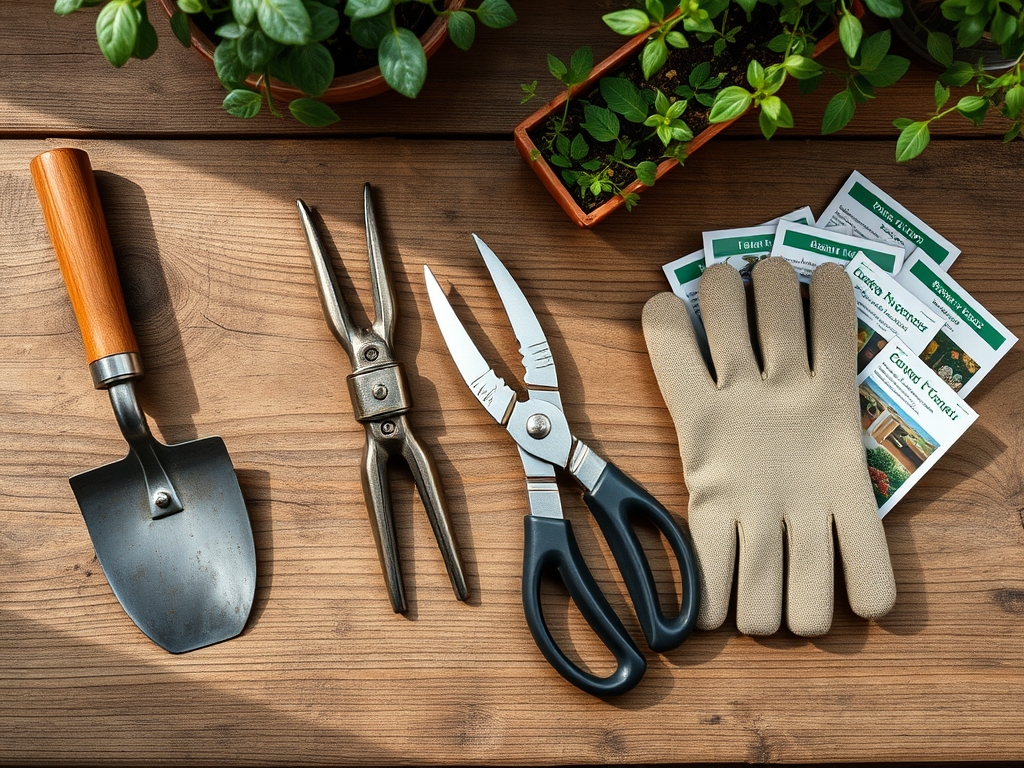
The physical texture of your growing medium dictates tool selection. A sandy loam with low clay content allows for the use of lightweight stainless steel. Conversely, a heavy clay soil requires forged steel with high tensile strength to withstand the leverage needed for aeration. Keep a supply of 3-in-1 oil, 70 percent isopropyl alcohol, and grade 0000 steel wool on hand. These materials are as vital to the garden as the nitrogen cycle itself.
Timing:
In Hardiness Zones 5 through 7, the window for deep equipment maintenance aligns with the plant's period of senescence. As the photoperiod shortens and deciduous perennials enter dormancy, the mechanical workload shifts from the field to the bench. The "Biological Clock" of the garden dictates that all pruning tools must be calibrated and sharpened before the late winter "bleeding" season of Acer and Betula species.
For those in Zones 8 through 10, the lack of a hard freeze means the maintenance project is a rolling cycle. You must synchronize tool sterilization with the transition from the vegetative stage to the reproductive stage of your primary crops. This prevents the cross-contamination of pathogens during the high-humidity windows of spring and autumn.
Phases:

Sowing and Preparation
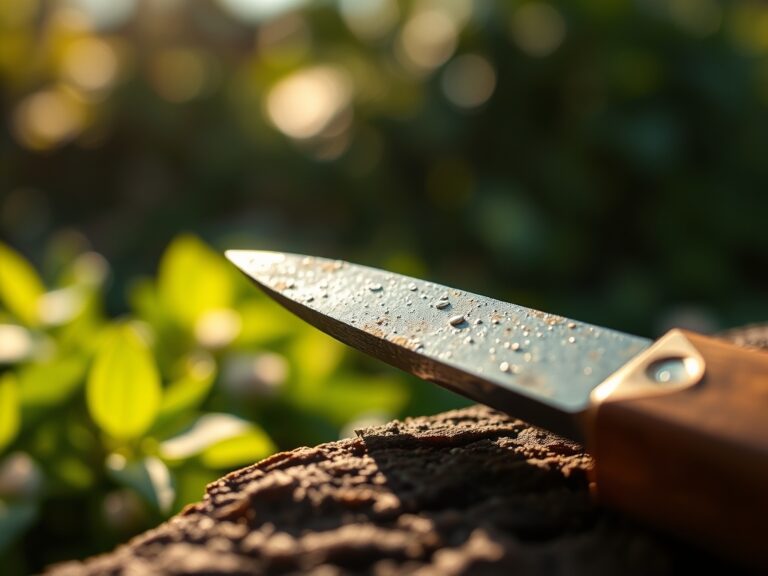
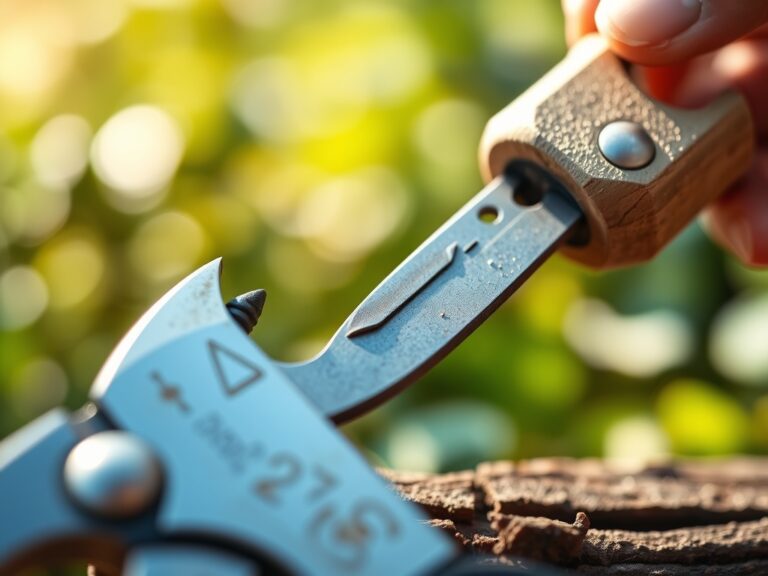
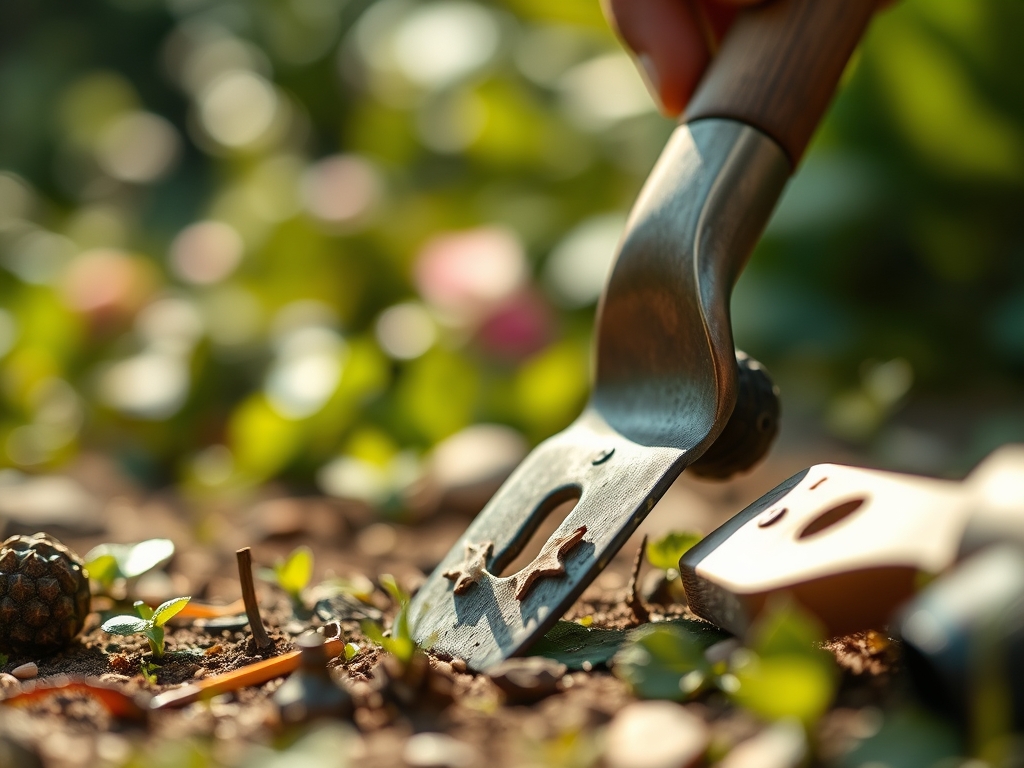
Before the first seed hits the plug tray, your hand tools must be free of residual soil. Using a hori-hori knife with a serrated edge requires a specific sharpening angle of 20 degrees to ensure it slices through root mats without stalling.
Pro-Tip: Sterilizing sowing tools prevents "damping off" caused by Pythium. This is critical because young seedlings have not yet established a mycorrhizal symbiosis that provides a secondary immune barrier against soil-borne oomycetes.
Transplanting and Disturbance
When moving starts into the ground, the bypass pruners must be tensioned correctly. A gap of even 0.5 millimeters between the blade and the anvil will tear the epidermis of the stem.
Pro-Tip: Clean cuts facilitate faster wound periderm formation. This limits the suppression of auxins, the hormones responsible for apical dominance and root initiation, allowing the plant to recover from transplant shock in half the time.
Establishing and Growth
As plants reach peak vegetative mass, irrigation tools like the soil moisture meter must be calibrated. Inaccurate readings lead to over-saturation, which collapses the macropores in the soil and induces root hypoxia.
Pro-Tip: Maintaining a sharp edge on weeding hoes allows for "scuffle weeding" at the soil surface. This minimizes the disturbance of the upper rhizosphere, protecting the delicate network of fungal hyphae that facilitate nutrient uptake.
The Clinic:
Physiological disorders in the garden are often misdiagnosed as pests when they are actually mechanical or nutritional.
- Symptom: Interveinal chlorosis on new growth.
- Solution: This indicates Iron deficiency, often caused by high soil pH (above 7.0). Calibrate your pH meter and apply chelated iron.
- Symptom: Marginal leaf burn or "scorching."
- Solution: This is often Potassium deficiency or salt accumulation. Flush the root zone with 2.0 gallons of water per square foot and check your fertilizer injectors for mechanical failure.
- Symptom: Stunted growth with purple tinting on the underside of leaves.
- Solution: This is Phosphorus deficiency, common in cold soils (below 55 degrees Fahrenheit). Use a soil thermometer to ensure the substrate is warm enough for phosphorus solubility.
Fix-It for Nitrogen Chlorosis: If older leaves are turning uniform pale yellow, apply a high-nitrogen liquid feed with a ratio of 30-10-10. Ensure your sprayers are cleaned of all herbicide residue first to avoid accidental phytotoxicity.
Maintenance:
Precision water management is the cornerstone of plant health. Most temperate crops require 1.5 inches of water per week delivered directly at the drip line. Use a soil moisture meter daily at a depth of 6 inches to verify that the moisture is reaching the primary root zone rather than just wetting the mulch.
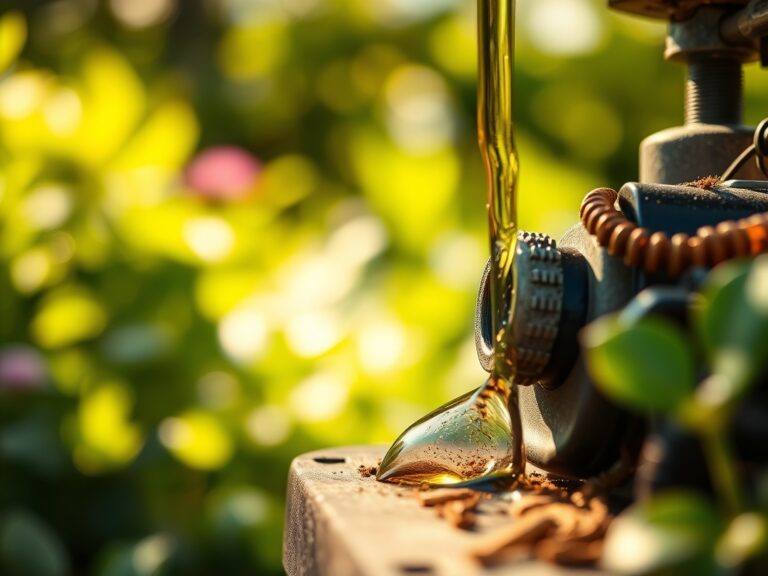
Your hori-hori knife should be wiped with an oiled rag after every use to prevent pitting. For bypass pruners, disassemble the pivot bolt once a month to remove grit. If the tool feels "sticky," it is likely a buildup of sap; use a specialized resin solvent or high-strength vinegar to dissolve the organic matter before re-oiling.
The Yield:
Harvesting is the most critical mechanical interaction between tool and plant. For leafy greens, harvest at dawn when turgor pressure is at its maximum. Use a razor-sharp harvest knife to minimize the surface area of the cut. This reduces the rate of senescence (aging) by limiting the amount of ethylene gas the plant produces in response to trauma.
For fruiting bodies, leave a small portion of the pedicel attached. Removing the stem entirely creates an open wound that leads to rapid desiccation. Store harvested produce at 34 to 40 degrees Fahrenheit immediately to slow the metabolic rate and preserve the "day-one" crispness of the cellular structure.
FAQ:
How often should I sharpen my bypass pruners?
Sharpen every 10 to 15 hours of active use. If you notice the blade "pinching" the bark instead of slicing through it, the edge has rolled and requires immediate honing with a diamond file.
Can I use bleach to sterilize my garden tools?
Bleach is corrosive to high-carbon steel. Use 70 percent isopropyl alcohol or a specialized quaternary ammonium disinfectant. This kills pathogens like tobacco mosaic virus without pitting the metal surface of your hori-hori knife.
What is the best way to prevent rust on shovels?
Store shovels in a bucket filled with builders sand and mineral oil. The sand acts as an abrasive to remove residual soil, while the oil creates a hydrophobic barrier that prevents oxidation during high-humidity months.
Why is my soil moisture meter giving inconsistent readings?
Check the probe for oxidation. Lightly sand the metal tip with fine-grit sandpaper to ensure proper electrical conductivity. Inconsistent readings usually stem from poor contact between the metal sensor and the soil particles.