6 Shaping Tips to Use Garden Shears for Pruning
The smell of damp earth and the snap of a leaf with high turgor pressure signal the peak of the growing season. Successful cultivation requires more than water and sunlight; it demands precise structural intervention to maximize yield and prevent disease. Using a garden shears for vegetable pruning allows a grower to redirect energy from superfluous foliage toward fruit development. This mechanical bypass of natural growth patterns ensures that the plant maintains optimal airflow and light penetration within the canopy. By removing non-productive suckers or senescing leaves, you reduce the metabolic load on the root system and prioritize the transport of photosynthates to the developing harvest.
Materials:
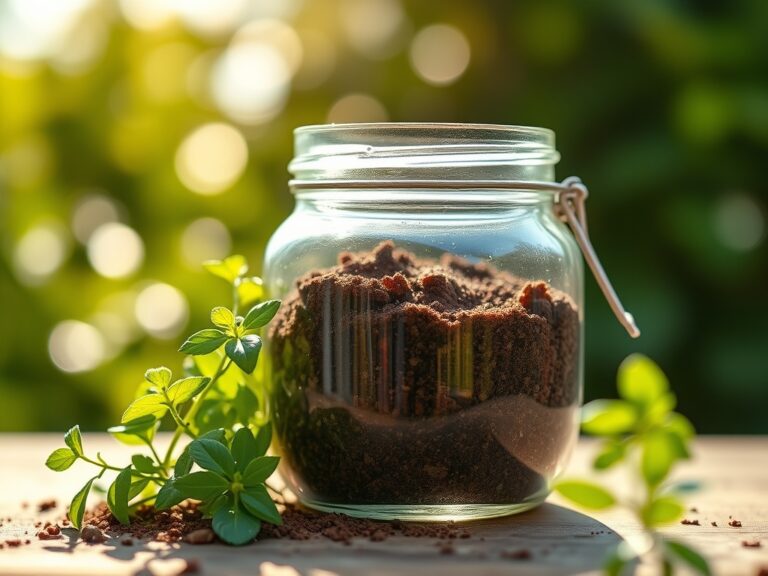
A high performance vegetable garden begins with a substrate that supports high Cation Exchange Capacity (CEC). For heavy feeders like Solanaceae (tomatoes, peppers), the soil must be a friable loam with a pH between 6.2 and 6.8. This acidity range ensures that micronutrients like manganese and iron remain bioavailable. Before pruning, ensure the plant has been supported by a balanced NPK ratio. During the vegetative stage, a 10-5-5 ratio supports leaf mass; however, as the plant transitions to flowering, shift to a 5-10-10 ratio to provide the phosphorus and potassium necessary for fruit set. The physical texture of the soil should allow for immediate drainage while retaining enough moisture to prevent wilting, which can lead to brittle stems that shatter under the pressure of garden shears.
Timing:
Hardiness Zones 5 through 9 dictate the window for aggressive pruning. In these regions, the first pruning session should occur after the last frost date when the plant has established at least four sets of true leaves. The biological clock of a vegetable plant is governed by the photoperiod and thermal units. For indeterminate varieties, pruning should be a weekly task to manage the transition from vegetative growth to reproductive stages. Pruning during the cool, early morning hours is critical; this is when turgor pressure is highest, allowing the plant to seal wounds quickly before the heat of the day increases transpiration rates. Avoid pruning when the forecast predicts high humidity or rain within 24 hours to prevent the introduction of fungal pathogens into open vascular tissues.
Phases:
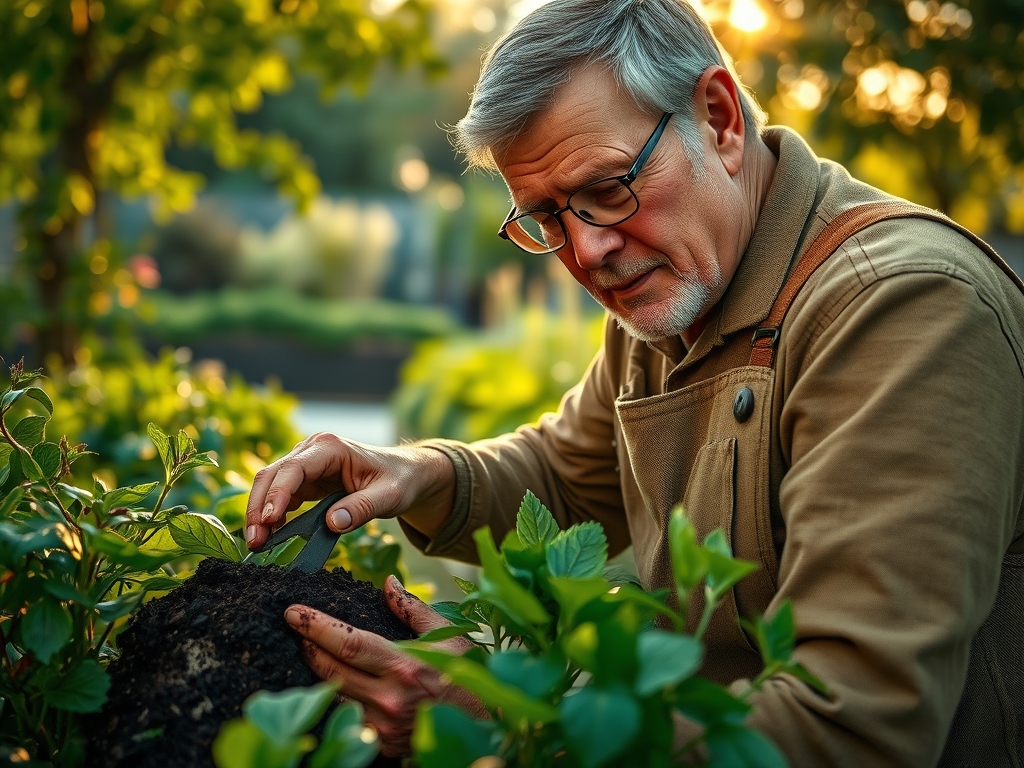
Sowing and Early Development
Start seeds in a sterile medium with a fine texture to encourage rapid root elongation. Maintain a consistent temperature of 70 degrees Fahrenheit to ensure uniform germination. Once the second set of true leaves appears, begin monitoring the rhizosphere for root binding.
Pro-Tip: Thinning seedlings with shears rather than pulling them prevents root disturbance of the remaining plants. This preserves the established mycorrhizal symbiosis, which is essential for nutrient uptake.
Transplanting and Hardening Off
Move plants to the field once soil temperatures reach a consistent 60 degrees Fahrenheit. Space plants at least 18 to 24 inches apart to ensure adequate air circulation. Use your garden shears to remove the lowest set of leaves before burying the stem deeper; this encourages adventitious root growth along the buried section of the stalk.
Pro-Tip: Removing the lower leaves triggers a systemic response that strengthens the main stem. This process, known as thigmomorphogenesis, results in a sturdier plant capable of supporting heavy fruit loads.
Establishing and Shaping
As the plant enters its rapid growth phase, focus on "shaping" by removing axillary buds or suckers found in the crotch between the main stem and a leaf petiole. This is the primary application for using a garden shears for vegetable pruning. By thinning the interior of the plant, you increase the Red to Far-Red light ratio reaching the lower leaves.
Pro-Tip: Removing suckers suppresses apical dominance and redirects auxin hormones toward the developing fruit. This results in larger, more uniform vegetables rather than a mass of small, shaded foliage.
The Clinic:
Physiological disorders often manifest as physical deformities that require immediate intervention.
Symptom: Blossom End Rot. This appears as a dark, leathery patch on the bottom of the fruit.
Solution: This is a calcium transport issue, often caused by inconsistent moisture. Stabilize the moisture levels and ensure the soil pH is not too low, which inhibits calcium uptake.
Symptom: Interveinal Chlorosis. The veins remain green while the rest of the leaf turns yellow.
Solution: This indicates a Magnesium deficiency. Apply a foliar spray of magnesium sulfate or adjust the soil NPK to ensure the plant can synthesize chlorophyll effectively.
Symptom: Nitrogen Chlorosis. The entire leaf turns a pale yellow, starting with the older, lower leaves.
Fix-It: Apply a high nitrogen fertilizer (such as 10-0-0) to the soil surface. Nitrogen is a mobile nutrient; the plant is scavenging it from old growth to support new terminal buds.
Maintenance:
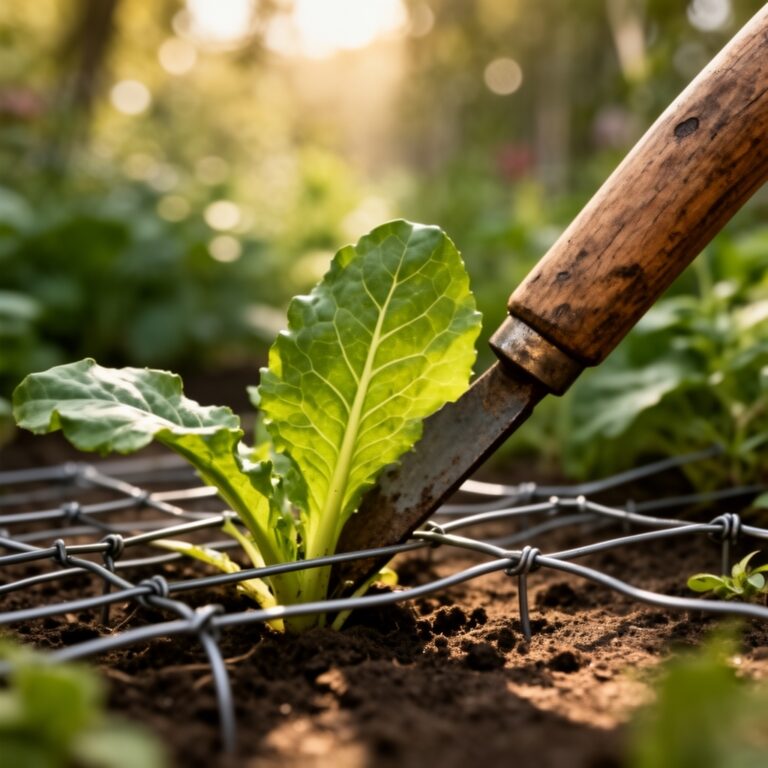
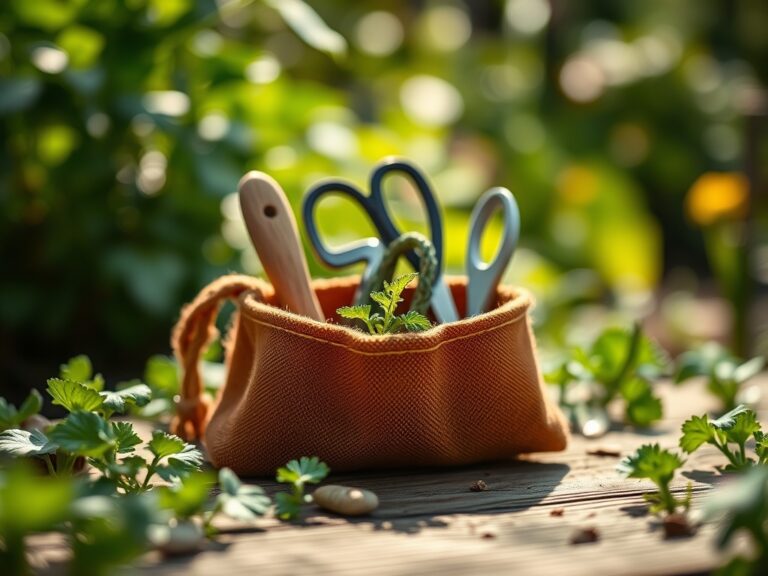
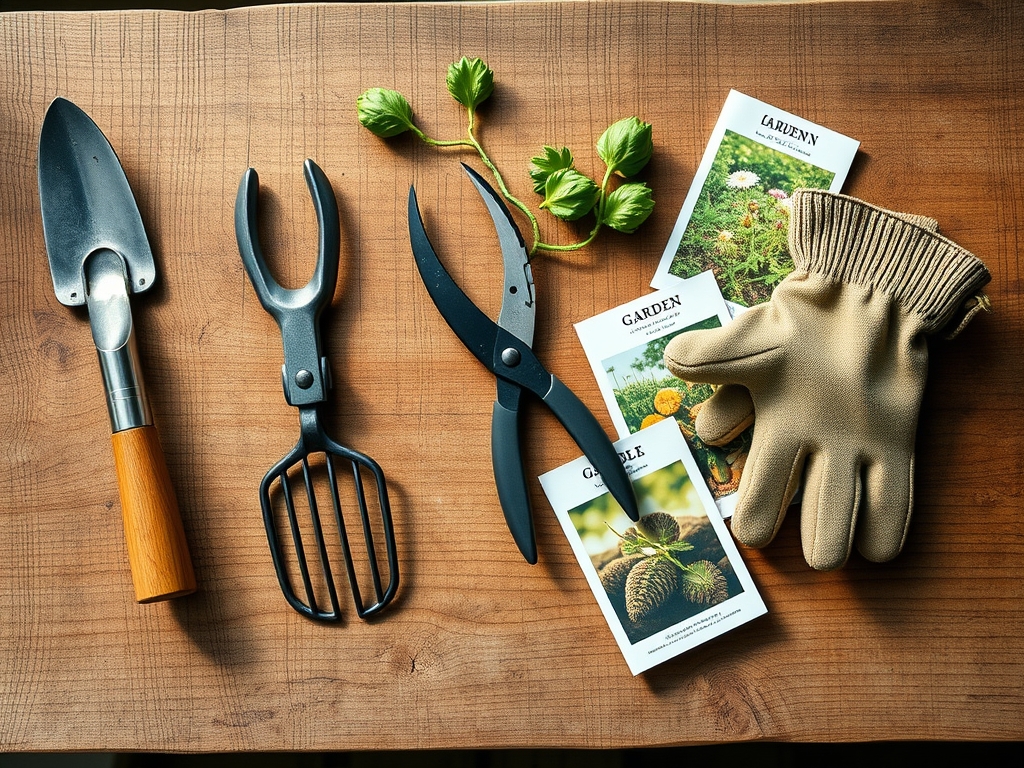
Precision maintenance requires a dedicated kit including a hori-hori knife for weeding and bypass pruners for thicker woody stems. Monitor hydration with a soil moisture meter to ensure the root zone receives exactly 1.5 inches of water per week at the drip line. Avoid overhead watering; moisture on the foliage combined with pruning wounds creates a vector for bacterial wilt. Sanitize your garden shears with a 10 percent bleach solution or 70 percent isopropyl alcohol between every plant. This prevents the mechanical transmission of viruses like Tobacco Mosaic Virus (TMV) through the sap.
The Yield:
Harvesting is the final act of pruning. For peak flavor and nutrient density, harvest vegetables when they reach physiological maturity but before senescence begins. Use shears to cut the pedicel (the fruit stem) rather than pulling, which can tear the main vine. For leafy greens, harvest the outer leaves first to allow the central meristem to continue producing. Post-harvest, submerge produce in 40 degree Fahrenheit water to remove field heat immediately. This process slows the metabolic rate and preserves "day-one" freshness by maintaining the cellular structure and preventing moisture loss through the skin.
FAQ:
How often should I sanitize my garden shears?
Sanitize shears between every single plant. Use a 70 percent isopropyl alcohol solution to kill pathogens. This prevents the spread of soil-borne diseases and viruses across your entire vegetable row.
Can I prune vegetables during a heatwave?
Avoid pruning when temperatures exceed 90 degrees Fahrenheit. High heat increases transpiration stress. Cutting the plant during these periods can lead to rapid wilting and permanent vascular damage due to sudden fluid loss.
Which part of the tomato plant should I prune first?
Remove all foliage within 6 to 10 inches of the ground. This prevents soil-borne fungi from splashing onto the leaves during rain. It also improves airflow around the base of the rhizosphere.
Does pruning reduce the total weight of my harvest?
Pruning may slightly reduce total biomass but increases the weight and quality of individual fruits. It ensures the plant's energy is not wasted on "blind" growth that will never produce a viable harvest.