6 Tips to Use a Multi-Tool for Quick Garden Repairs
Using a multi-tool for quick garden repairs transforms how you manage sudden breaks, loose fittings, and damaged infrastructure. The compact design carries wire cutters, pliers, knife blades, screwdrivers, and saws in a single unit that fits into a tool belt pocket. When a trellis wire snaps under the weight of tomato vines or a drip irrigation fitting cracks mid-season, immediate repair prevents crop loss and maintains optimal growing conditions.
Materials
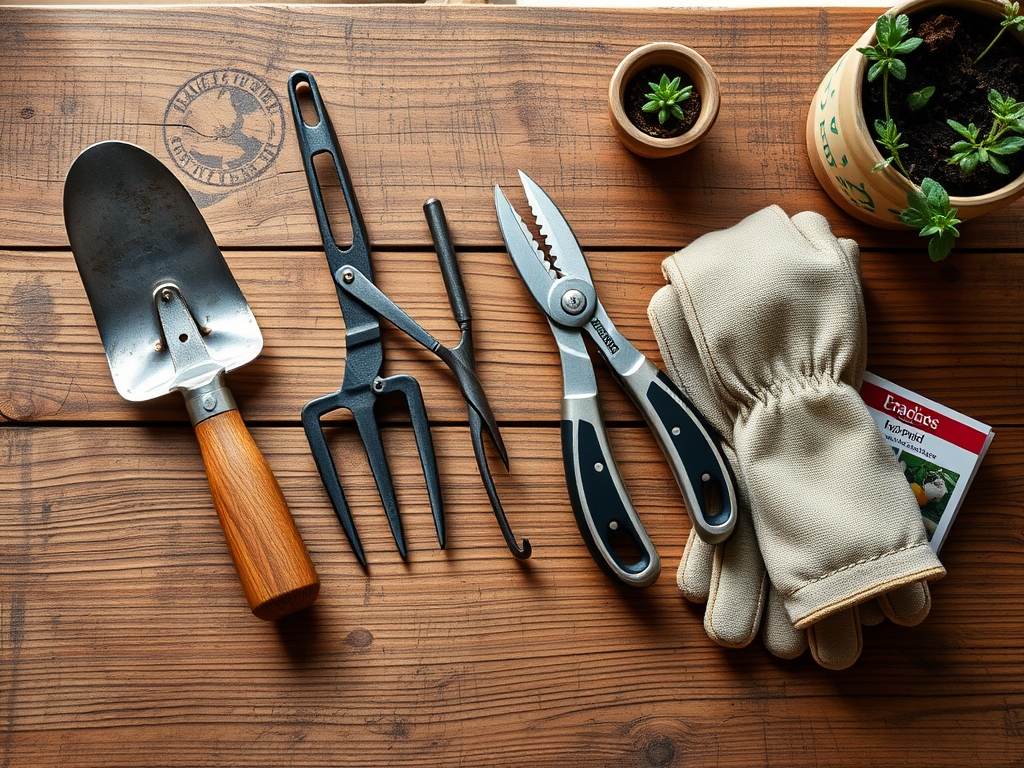
Select a multi-tool with stainless steel construction rated for outdoor exposure. Corrosion resistance matters when working in amended soils with pH ranges between 5.5 and 7.0, where moisture and organic acids accelerate oxidation. Models with spring-loaded pliers reduce hand fatigue during repetitive tasks like securing plant ties or adjusting wire tension.
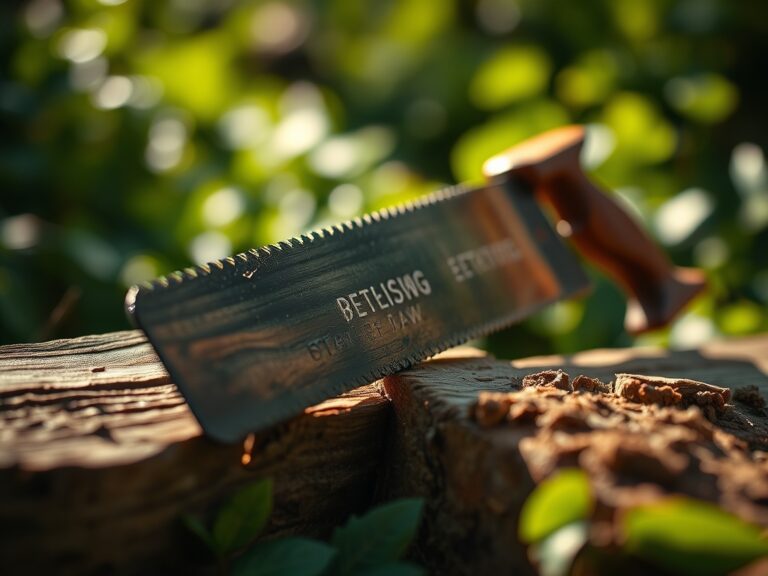
Essential blade components include a 2.5-inch serrated knife for cutting jute twine and sisal rope, a straight edge for precision cuts on drip tape, and wire cutters rated for 12-gauge galvanized steel. The screwdriver assortment should cover Phillips head sizes #1 and #2 for irrigation timers and flat heads spanning 3/16 to 1/4 inch for hose clamp adjustments. A wood saw with 8 teeth per inch handles stake modifications and light pruning of hardwood branches up to 1 inch diameter.
Supplementary repair materials belong in the same carry pouch: UV-resistant cable ties rated for 50-pound tensile strength, stainless steel hose clamps from 1/2 inch to 2 inches, and 16-gauge galvanized wire for trellis work. Keep a small container of dielectric grease to protect electrical connections on timer systems and pump controllers from moisture intrusion that disrupts automated fertigation schedules.
Timing
Execute structural repairs during dormancy windows or early morning hours when plants experience maximum turgor pressure and recover quickly from disturbance. In Zones 5-7, conduct major trellis rebuilds between late March and mid-April, after the last frost date but before vigorous spring growth begins. Fall repairs work best from late September through October, when declining auxin distribution slows vegetative growth and root systems focus on carbohydrate storage.
Emergency repairs happen regardless of season. A snapped stake supporting determinate tomatoes at fruit set requires immediate stabilization to prevent stem kinking that blocks vascular flow. Temperature extremes above 85°F or below 50°F increase plant stress during repairs. Schedule non-urgent work when ambient conditions favor rapid wound healing and minimal transpiration loss.
Phases

Installing Support Infrastructure
Drive hardwood stakes 8 inches deep using the multi-tool's pliers to extract rocks that block insertion. Space vertical supports at 4-foot intervals for indeterminate varieties requiring season-long scaffolding. Secure horizontal wires at 12-inch vertical increments using the wire cutter to prepare 18-inch segments, then twist ends with the plier nose at 45-degree angles. This angle distributes tension evenly and prevents wire fatigue at connection points.
Pro-Tip: Apply copper-based fungicide to fresh stake cuts before installation. The treatment prevents basidiomycete colonization that softens wood fiber and causes structural failure mid-season when crop loads peak.
Repairing Irrigation Systems
Split drip tape requires immediate attention. Use the knife blade to create clean perpendicular cuts 2 inches back from the damaged section on both sides. Insert barbed couplers with the plier's gripping surface, applying 15 pounds of force to seat fittings fully into the tape's interior diameter. Test pressure at 10 PSI before burying the repair to confirm zero leakage that would alter soil moisture distribution and create anaerobic pockets harmful to root respiration.
Replace worn hose washers using the flat screwdriver to pry out degraded rubber. New EPDM washers rated for potable water maintain consistent pressure across zones and prevent the mineral salt accumulation that clogs emitters when leaks introduce air into lines.
Pro-Tip: Mark repair locations with surveyor flags. Track failure patterns across seasons to identify zones with excessive cation exchange capacity that accelerates fitting corrosion through electrolytic action.
Adjusting Plant Ties
Remove constricting ties as stem diameter expands. The wire cutter handles both plastic ties and metal twist ties without blade dulling. Replace with figure-eight loops using soft plant tape, leaving 1/4 inch clearance around stems to accommodate radial growth. This spacing maintains support while preventing phloem girdling that starves roots of photosynthate.
Pro-Tip: Inspect ties every 14 days during peak vegetative growth. Indeterminate tomatoes add 1/8 inch of stem diameter per week under optimal nutrition (NPK ratio 3-4-6 during fruit set).
Troubleshooting
Symptom: Stake lean exceeding 15 degrees from vertical creates uneven light distribution and fruit contact with soil, inviting pathogen entry.
Solution: Use pliers to install a secondary anchor stake at a 60-degree angle, wiring it to the primary support 6 inches below the lean point. The triangulation restores stability without root zone disturbance.
Symptom: Trellis wire sag greater than 3 inches at midspan between posts indicates tension loss from thermal expansion cycles.
Solution: Install inline tensioners using the screwdriver to tighten adjustment bolts. Maintain 40 pounds of tension measured with a fish scale to support 25 pounds of fruit load per linear foot.
Symptom: Drip emitter clogging reduces flow below 0.5 gallons per hour, creating drought stress symptoms in high-demand crops.
Solution: Use the knife tip to clear mineral deposits blocking the labyrinth channel. Flush lines with dilute phosphoric acid solution (pH 3.0) quarterly to prevent calcium carbonate accumulation in hard water regions.
Symptom: Split bamboo stakes splintering into stem tissue cause entry wounds for bacterial speck and spot pathogens.
Solution: Saw damaged sections below the split point at 90-degree angles. Sand cut edges with 120-grit paper carried in the repair kit to eliminate sharp projections.
Maintenance
Inspect multi-tool pivot points weekly during active use. Apply one drop of mineral oil to each joint to prevent grit accumulation that increases opening resistance and causes premature spring failure. Clean blades with isopropyl alcohol after cuts through diseased plant material to avoid cross-contamination between garden zones.
Sharpen knife edges every 40 hours of use with a 400-grit diamond stone held at a 20-degree angle. Dull blades create ragged cuts that expand the wound surface area and delay callus formation. Replace wire cutters when jaws no longer meet flush, typically after 500 cuts through 12-gauge material.
Store the tool in a sealed container with silica gel packets maintaining relative humidity below 40 percent. This prevents rust formation on uncoated steel components and extends service life beyond five seasons of intensive use.
FAQ
What gauge wire works best for tomato trellis construction?
12-gauge galvanized steel supports 30 pounds per linear foot without visible sag. The coating survives five seasons before zinc depletion requires replacement.
How often should drip fittings be inspected?
Examine connections every 21 days during irrigation season. UV degradation and thermal cycling create micro-cracks that expand into failures during peak demand periods.
Can multi-tools cut through fiberglass stakes?
Standard saw blades dull rapidly on fiberglass. Use carbide-edged blades or switch to reciprocating saws for composite materials exceeding 3/4 inch diameter.
What screwdriver size fits most irrigation timers?
Phillips #2 covers 90 percent of residential timer models. Carry a magnetic bit holder as an adapter for precise work in cramped controller boxes.
Should stainless steel or carbon steel tools be chosen?
Stainless steel eliminates rust concerns but costs 40 percent more. Carbon steel accepts sharper edges for precision cutting if maintained with protective oil coatings between uses.