9 Tips to Use a Transit Level for Backyard Grading
Watching a spring rainstorm turn half your lawn into a pond while the other half bakes in drought is a lesson in topography you neither asked for nor enjoyed. The solution lies not in guesswork or eyeballing, but in precision measurement. Using a transit level for grading a yard transforms muddy chaos into predictable, managed drainage that protects foundations, preserves topsoil, and creates microclimates where specific plant guilds can thrive.
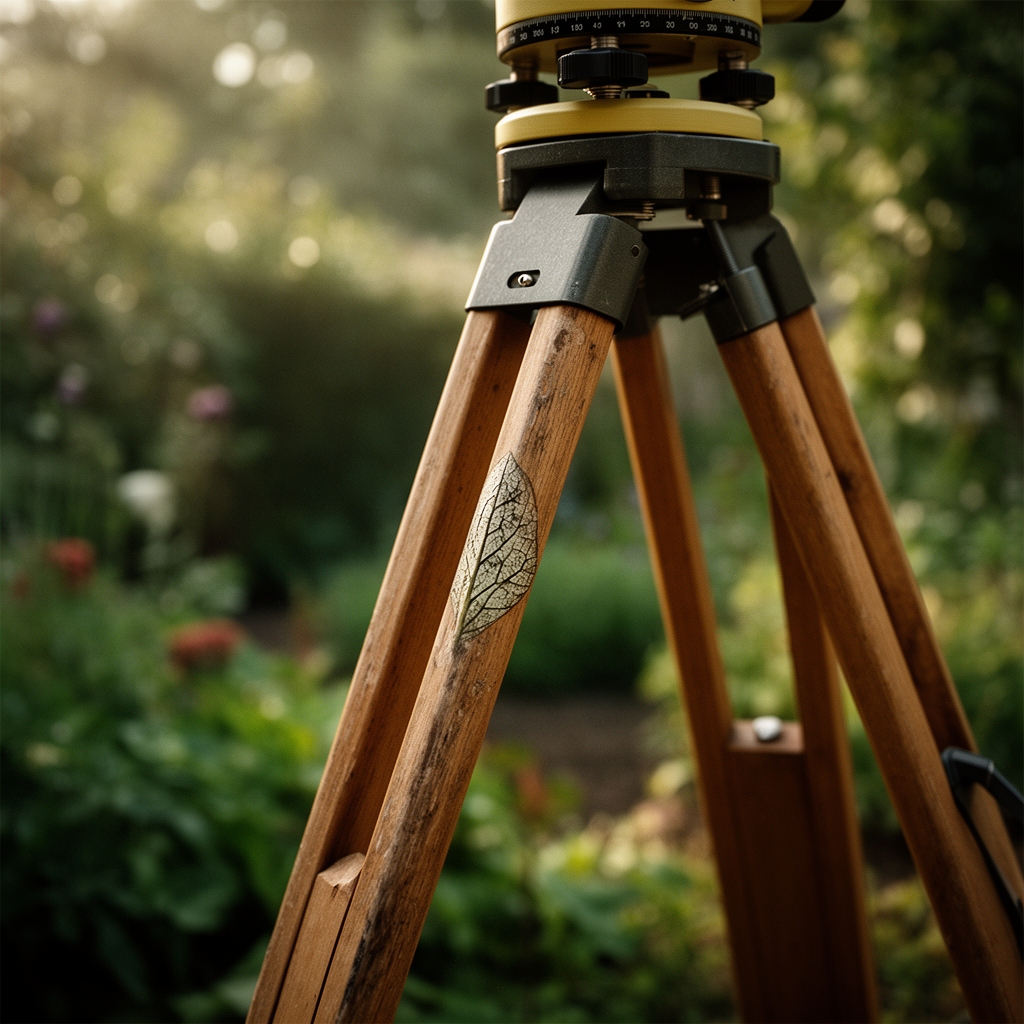
A transit level offers the accuracy necessary to establish grades between 1% and 2% for most residential applications. This range ensures water movement without erosion. The tool operates on optical principles refined over a century, projecting a perfectly horizontal plane across distances up to 300 feet. Modern digital versions provide audible feedback, but the manual optical transit remains the gold standard for soil-disturbing projects where dust and vibration can compromise electronic sensors.
Materials
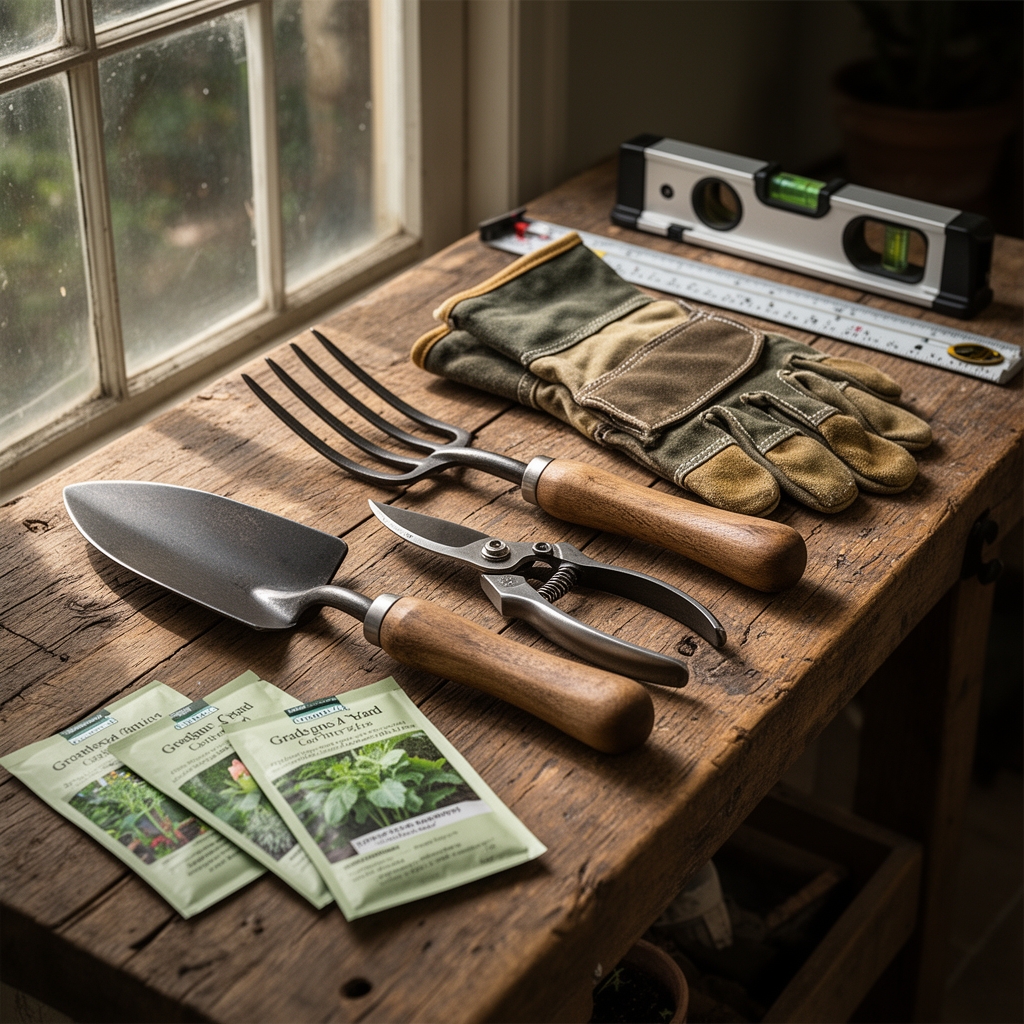
The transit level itself requires a stable tripod, preferably aluminum with spiked feet that penetrate compacted subsoil. A graduated leveling rod, typically extending to 12 feet, must display clear numerals readable at 100-foot distances. Most rods use a tenths-of-a-foot scale rather than inches.
For soil amendment post-grading, test pH before selecting inputs. Yards grading toward 6.2-6.8 pH benefit from composted bark mulch mixed at 3 cubic yards per 1,000 square feet. This amendment improves cation exchange capacity while maintaining neutral conditions. In acidic situations below 5.8 pH, apply dolomitic limestone at 50 pounds per 1,000 square feet, incorporating it 6 inches deep.
Balanced organic fertilizer rated 4-4-4 supports establishment of lawn or groundcover post-grade. Apply at 20 pounds per 1,000 square feet. The slow-release nitrogen from feather meal or blood meal supports steady growth without the leaching common to synthetic sources. Phosphorus from bone meal aids root establishment in freshly moved soil where mycorrhizal networks have been disrupted.
Stakes and marking paint define grade transition zones. Use 24-inch wooden stakes every 10 feet along proposed contours.
Timing
Execute grading projects between USDA Hardiness Zone-specific frost windows. Zones 6-7 work best from late March through May, after soil thaws to 8 inches but before summer compaction. Zone 8-9 schedules shift to October through December when soil moisture permits equipment movement without creating compaction layers that restrict root penetration.
Avoid grading within 2 weeks of heavy rain. Soil at field capacity compacts under foot traffic, destroying pore space critical for gas exchange. The sweet spot occurs when soil forms a loose ball under hand pressure but crumbles when dropped from waist height.
Plan projects for weekday execution if possible. Weekend work compresses timelines and forces decisions under fatigue.
Phases

Setting the Benchmark: Position the transit level at the highest functional point, usually near the foundation. Level the instrument using the three-screw base system, centering the bubble in both axes. This benchmark establishes your zero reference. Record the exact rod reading at this location. Every subsequent measurement compares to this datum.
Pro-Tip: Mount the transit on undisturbed soil or a concrete pad. Even 1/8 inch of settlement during a project invalidates all subsequent readings.
Mapping Existing Grades: Walk a grid pattern at 10-foot intervals. At each station, hold the leveling rod vertical while an assistant reads the measurement through the transit eyepiece. Record readings on graph paper, creating a topographic map of existing conditions. Variations exceeding 0.3 feet across 10 feet indicate problem areas where water pools or rushes.
Pro-Tip: Check rod verticality using a torpedo level taped to the rod face. Lean of just 5 degrees introduces 0.1-foot error at 12-foot heights.
Establishing Target Grades: Calculate desired slopes from foundation outward. Residential codes typically mandate 0.5-inch drop per foot for the first 10 feet from structures. Mark target elevations on stakes. Paint these values for visibility during earthwork. A yard sloping from elevation 100.0 at the house to 98.8 at 30 feet achieves a 1.2% grade, adequate for most turfgrass species.
Cut and fill zones emerge from comparing existing and target maps. Minimize soil export by balancing cut volumes against fill requirements.
Pro-Tip: Preserve topsoil separately. Strip and stockpile the upper 4 inches before rough grading. This layer contains 80% of soil biology including beneficial bacteria and fungal hyphae that accelerate establishment.
Execution: Remove high spots first, using cut material to fill depressions. Recheck elevations every 3 feet of lateral progress. Compact fill areas in 4-inch lifts using a plate compactor at 3 passes per lift. Loose fill settles 15-20% over the first year, negating your work.
Pro-Tip: Inoculate disturbed areas with mycorrhizal fungi at 1 pound per 100 square feet. These symbiotes restore phosphorus uptake capacity within 8 weeks versus 2 years naturally.
Troubleshooting
Symptom: Transit readings drift during session. Solution: Recheck level bubbles every 30 minutes. Temperature changes expand tripod legs unevenly, introducing tilt. Shade the instrument with an umbrella during summer work.
Symptom: Rod readings vary by 0.2 feet at same location. Solution: Verify rod extends fully without telescoping slack. Check that rod foot contacts firm soil, not thatch or mulch.
Symptom: Graded areas still pool after completion. Solution: Verify final grades with transit before declaring completion. Soil moisture differences during grading can mask remaining low spots. Recheck 48 hours after a soaking rain.
Symptom: Erosion rills form within 3 months. Solution: Grade exceeded 2% slope. Steeper angles require erosion cloth or swales every 20 feet to interrupt flow velocity.
Maintenance
Newly graded areas need 1 inch of water weekly for 6 weeks to settle soil and support seeding. Apply through oscillating sprinklers run 90 minutes per session at dawn.
Reseed bare areas within 10 days using 6 pounds of perennial ryegrass per 1,000 square feet. This species establishes in 7 days, protecting against erosion while permanent species develop.
Mow at 3.5-inch height for the first season. Taller grass shades soil, reducing temperature extremes that stress establishing root systems.
Recheck elevations annually each spring using the transit. Settling exceeding 0.2 feet requires topdressing with screened compost at 0.5 cubic yards per 1,000 square feet.
FAQ
How accurate must readings be? Within 0.05 feet for residential projects. Foundation work demands 0.01-foot precision requiring laser levels.
Can I rent a transit level? Most tool rental centers stock builder's levels at $40 per day. Request a demonstration of the leveling procedure before leaving.
What if my yard needs more than 2% slope? Install French drains or swales at grade breaks. Terracing with retaining walls manages slopes exceeding 4%.
Do I need help? Yes. One operator reads the transit, one holds the rod. Solo work introduces parallax errors and extends timelines by 300%.
When should I hire professionals? Yards exceeding 5,000 square feet or requiring more than 30 cubic yards of cut/fill justify professional laser-guided equipment that completes in hours versus days.