8 Steps to Prepare a Windowsill Kitchen Scrap Garden
The windowsill transforms from ornamental space into a living nutrient cycle when kitchen scraps root, leaf, and photosynthesize under direct southern exposure. Learning how to prepare a kitchen scrap garden on a windowsill demands attention to container drainage, light intensity measured in foot-candles, and the cation exchange capacity of your growing medium. Each scrap carries dormant meristematic tissue ready to activate under proper moisture and temperature regimes between 65 and 75 degrees Fahrenheit.
Materials
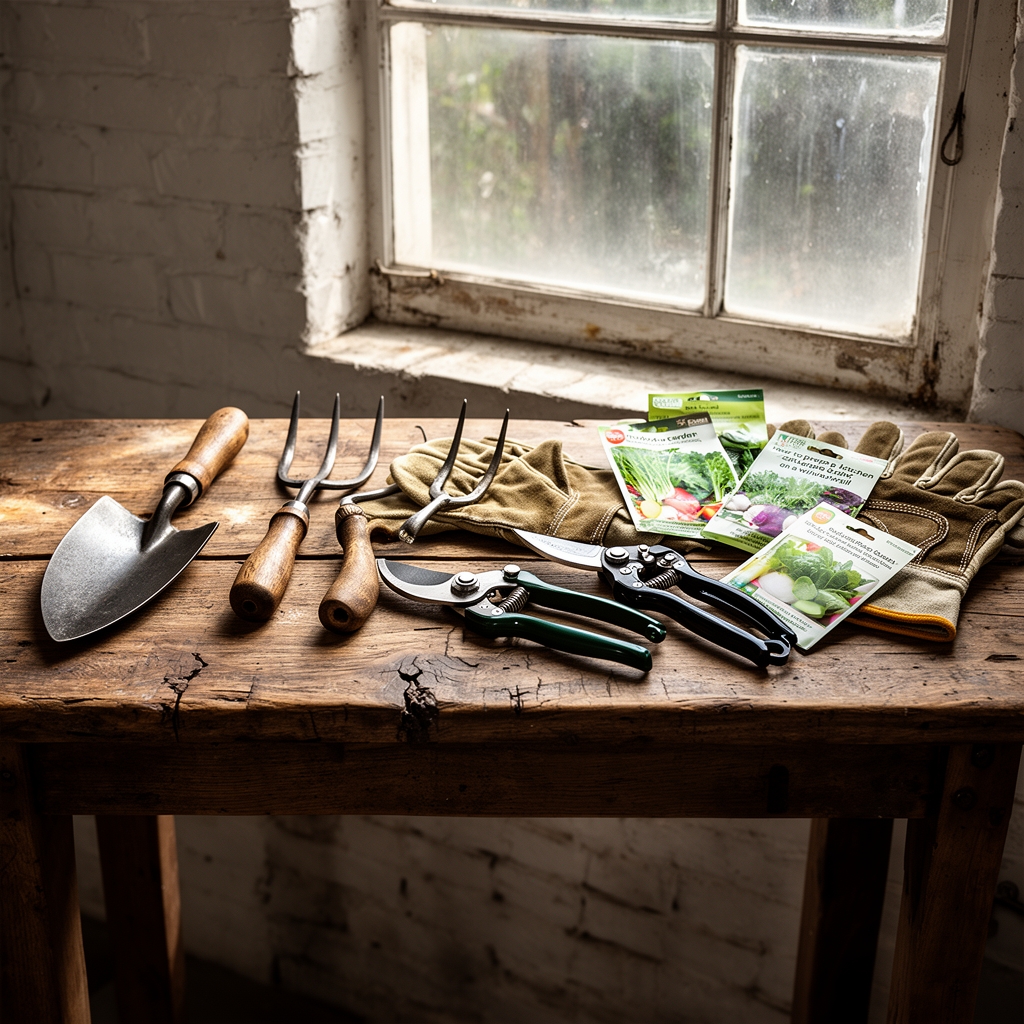
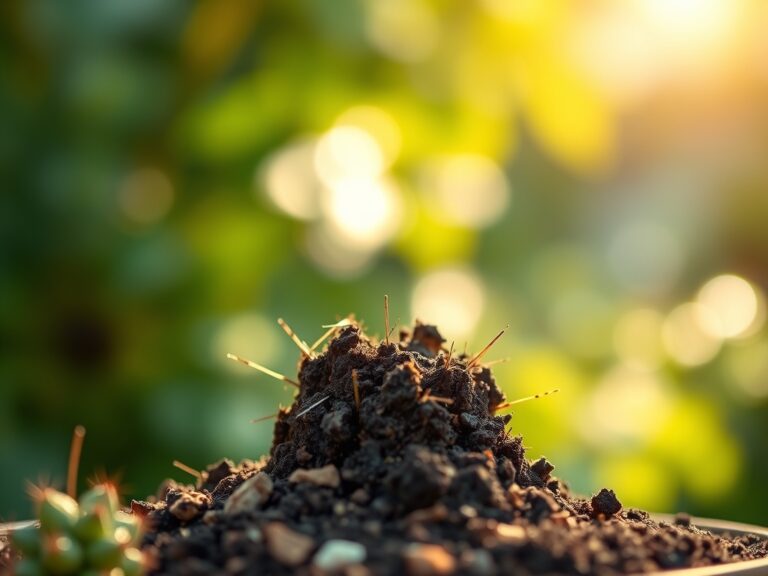
Select containers with drainage holes measuring at least 0.25 inches in diameter. Terra cotta pots maintain better gas exchange than glazed ceramic, though plastic retains moisture for shallow-rooted alliums. Your growing medium should register pH 6.0 to 7.0 for most kitchen scraps, tested with litmus strips or a calibrated electronic meter.
Mix equal parts coconut coir, perlite, and vermicompost to create a sterile base. Add worm castings at 10 percent by volume to introduce beneficial microbes without triggering fungal gnats. For scraps requiring higher fertility like celery crowns, incorporate a 4-4-4 organic fertilizer at 2 tablespoons per gallon of media. Kelp meal supplies trace minerals including boron and molybdenum that municipal water lacks.
Stock spray bottles for foliar feeding. Liquid fish emulsion diluted to half-strength (2.5-1.5-1 NPK) prevents nitrogen deficiency during rapid vegetative growth. Rooting hormone powder containing 0.1 percent indole-3-butyric acid accelerates callus formation on green onion bases and herb stem cuttings.
Timing
Kitchen scrap gardens operate independently of outdoor hardiness zones, but photoperiod still governs flowering in alliums and leafy brassicas. Begin preparation in late September through March when heating systems reduce indoor humidity below 40 percent, the threshold where spider mites proliferate. South-facing windows receive 6 to 8 hours of direct light during winter solstice, adequate for lettuce but insufficient for fruiting crops.
Scraps harvested in morning hours contain higher turgor pressure and root 15 percent faster than evening cuttings. Synchronize planting with the waxing moon phase if following biodynamic methods, though controlled studies show no statistically significant difference in root mass.
Phases

Sowing Phase (Days 1-7): Submerge green onion root plates, celery bases, and romaine cores in 0.5 inches of dechlorinated water. Change water every 48 hours to prevent anaerobic bacterial colonies. Root primordia emerge within 72 hours under temperatures above 68 degrees Fahrenheit. Position containers 2 inches from glass to capture maximum photosynthetically active radiation without thermal stress.
Pro-Tip: Apply mycorrhizal fungi inoculant (Glomus intraradices) directly to emerging root tips. One gram per plant increases phosphorus uptake by 40 percent in sterile growing media.
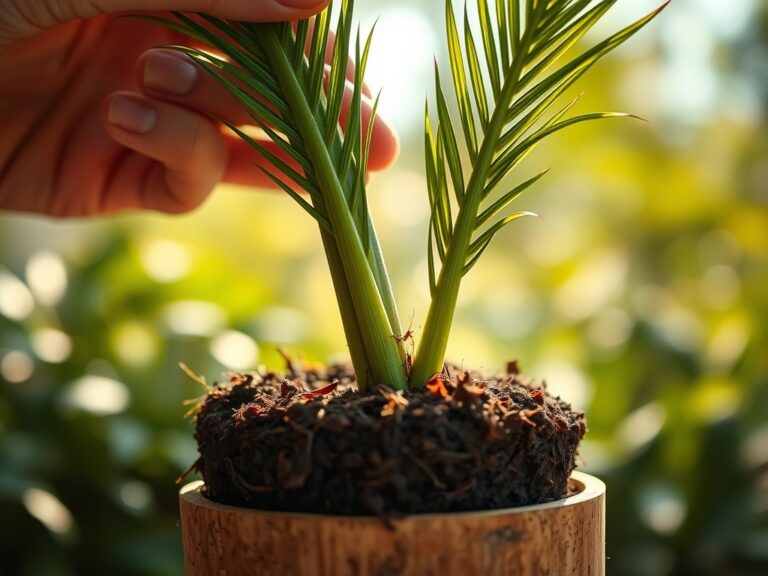
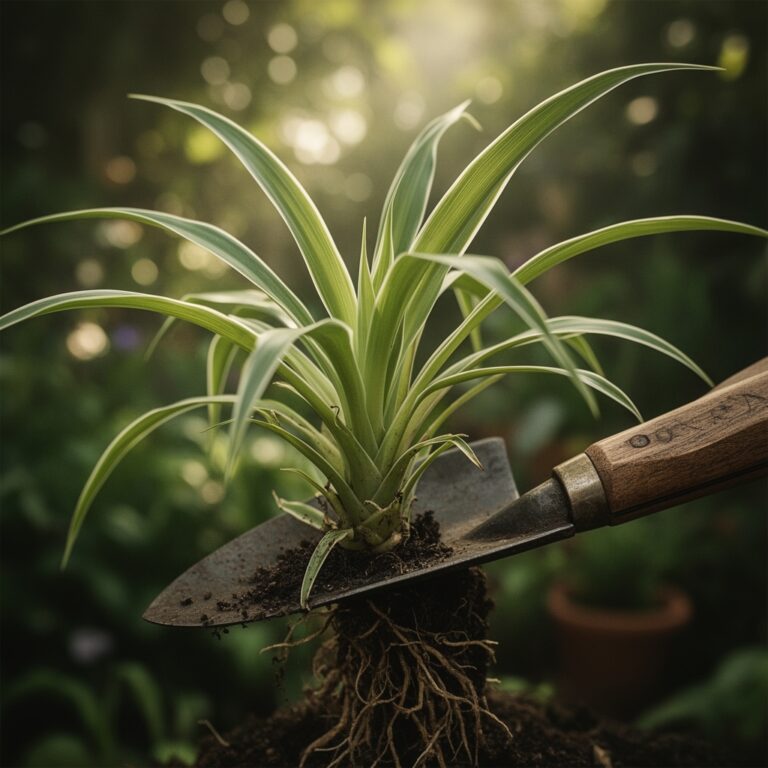
Transplanting Phase (Days 8-14): Transfer rooted scraps when root systems measure 1 inch in length. Insert the base 0.75 inches below soil surface, leaving growth points exposed to prevent crown rot. Firm media around roots to eliminate air pockets that desiccate fine root hairs. Water immediately with diluted kelp solution (1 tablespoon per gallon) to reduce transplant shock.
Pro-Tip: Prune outer leaves at a 45-degree angle using sterilized shears. This redirects auxin distribution to root development rather than maintaining mature foliage.
Establishing Phase (Days 15-30): Rotate containers 90 degrees every three days to prevent phototropic leaning. New leaf growth indicates successful establishment. Side-dress with additional vermicompost, scratching 1 tablespoon into the top inch of media. Monitor for etiolation, the elongation and pale coloration signaling insufficient light intensity below 200 foot-candles.
Pro-Tip: Introduce controlled water stress by allowing soil to dry to 1 inch depth between irrigations. This stimulates lateral root branching and increases nutrient scavenging surface area by 60 percent.
Troubleshooting
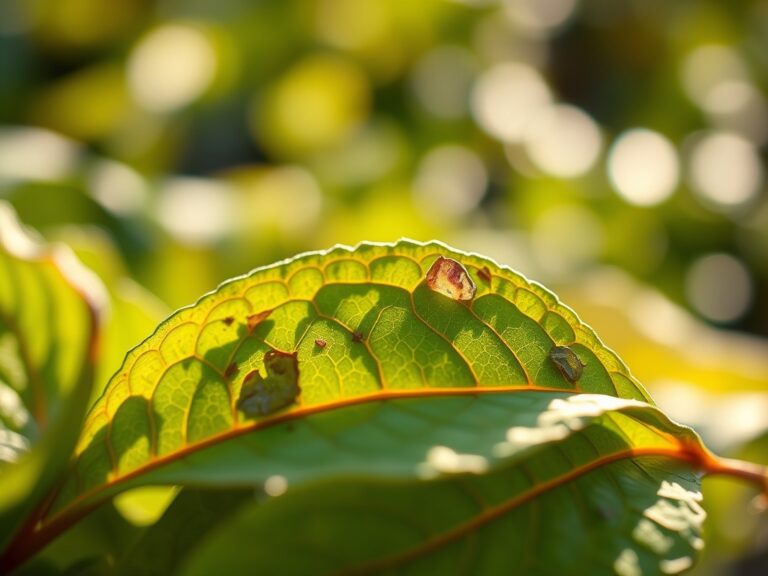
Symptom: Yellowing lower leaves with green veins (interveinal chlorosis).
Solution: Iron deficiency caused by pH above 7.2. Drench soil with chelated iron solution (1 teaspoon per quart) and amend with sulfur to lower pH by 0.5 units.
Symptom: Brown leaf tips with crispy texture.
Solution: Salt accumulation from over-fertilization or fluoridated water. Flush containers with distilled water at three times the pot volume. Switch to rainwater or reverse-osmosis filtration.
Symptom: White cottony masses on leaf axils.
Solution: Mealybug infestation (Pseudococcidae family). Swab insects with 70 percent isopropyl alcohol on cotton applicators. Release Cryptolaemus montrouzieri larvae, which consume 250 mealybugs during development.
Symptom: Sudden wilting despite moist soil.
Solution: Root rot from Pythium species in poorly drained media. Discard affected plants. Sterilize containers with 10 percent bleach solution. Improve drainage with additional perlite at 30 percent by volume.
Maintenance
Irrigate when the top 1 inch of growing medium feels dry to touch, approximately every 4 days under average household conditions. Apply 0.25 cups of water per 4-inch pot, increasing to 0.5 cups for 6-inch containers. Feed biweekly with diluted liquid fertilizer at one-quarter label strength to prevent salt buildup.
Prune outer leaves when plants produce more than 8 mature leaves. Harvest no more than one-third of total foliage per cutting to maintain photosynthetic capacity. Dust leaves monthly with a damp microfiber cloth to remove particulate matter blocking stomata.
Supplement natural light with LED grow lamps providing 5000 to 6500 Kelvin color temperature. Position bulbs 6 inches above foliage and operate for 14 hours daily. This extends productive growth through low-light winter months.
FAQ
How long until kitchen scraps produce harvestable growth?
Green onions regenerate edible shoots in 10 to 14 days. Celery and romaine require 3 to 4 weeks for 4-inch leaves suitable for salads.
Can kitchen scrap gardens attract pests indoors?
Fungus gnats colonize overwatered soil high in organic matter. Allow surface drying and apply Bacillus thuringiensis israelensis (Bti) granules to eliminate larvae.
Which scraps root most reliably on windowsills?
Allium species (green onions, leeks), romaine lettuce hearts, celery bases, and carrot tops produce consistent root systems. Avoid fruiting crops requiring pollination.
What causes leggy, weak growth?
Insufficient light intensity below 200 foot-candles triggers etiolation. Move containers closer to glass or add supplemental lighting at 50 watts per square foot.
How do I prevent mold growth on cut surfaces?
Allow scrap bases to air-dry for 2 hours before water submersion. This permits lignin formation, a natural barrier against fungal penetration.