9 Steps for Pruning Cucumber Vines: Vertical Growth and Higher Yields
There's a particular stillness in the garden just before the summer sun gets heavy, when you can spot the real difference between a cucumber vine that's merely surviving and one that's primed for production. The pruned vine feels deliberate, its energy concentrated into fewer, sturdier stems where flowers and fruit form in plain sight, not lost in a tangled jungle of leaves. Growing your own isn't just about freshness; it’s about control and abundance. Here are the essential steps for pruning cucumber vines for vertical growth that will transform your harvest from a handful to a haul.
Materials & Supplies
Soil & Amendments:
- A well-draining potting mix or garden loam with a pH of 6.0–6.8.
- Finished compost (3-4 gallons per planting hill).
- A balanced organic fertilizer with an NPK like 5-5-5 or a slightly higher-potassium formula (3-4-6) for fruit set.
- Coarse perlite or vermiculite for container mixes.
Containers & Support:
- For vertical growth: A sturdy trellis, cattle panel, or nylon netting rated for at least 50 lbs. of tension.
- For containers: A pot with a minimum 12-inch depth and 5-gallon volume, with drainage holes.
- Biodegradable jute twine or soft plant ties.
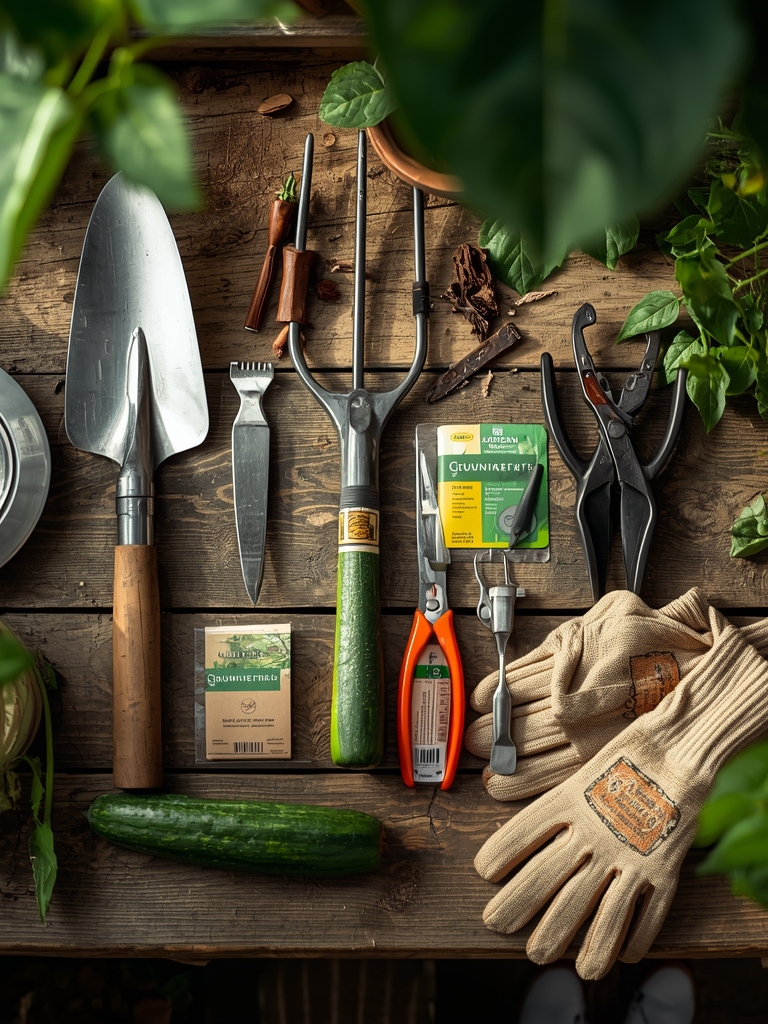
Tools:
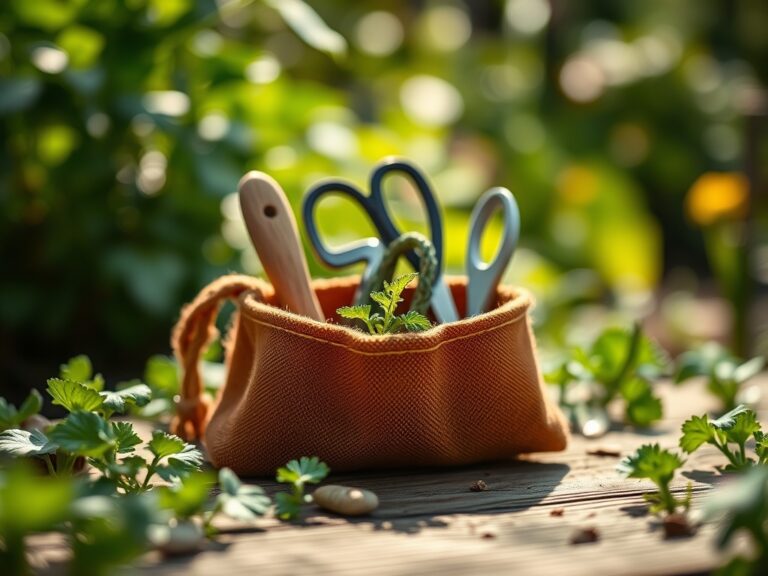
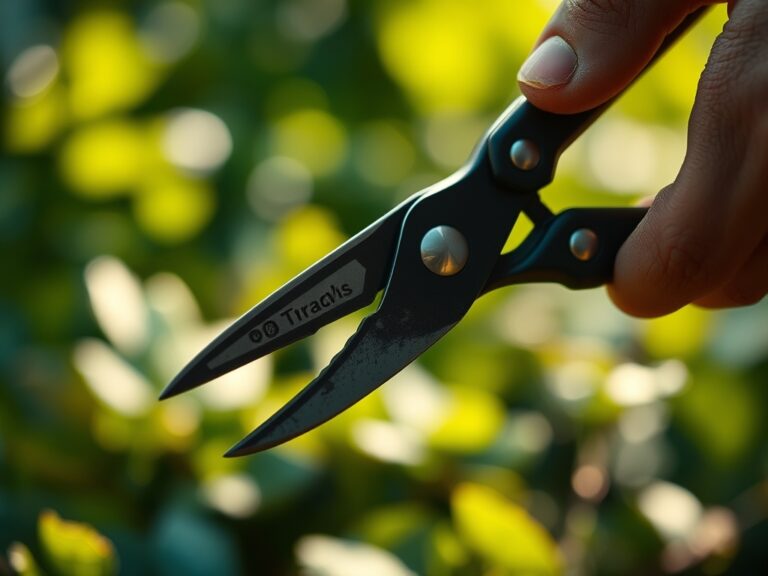
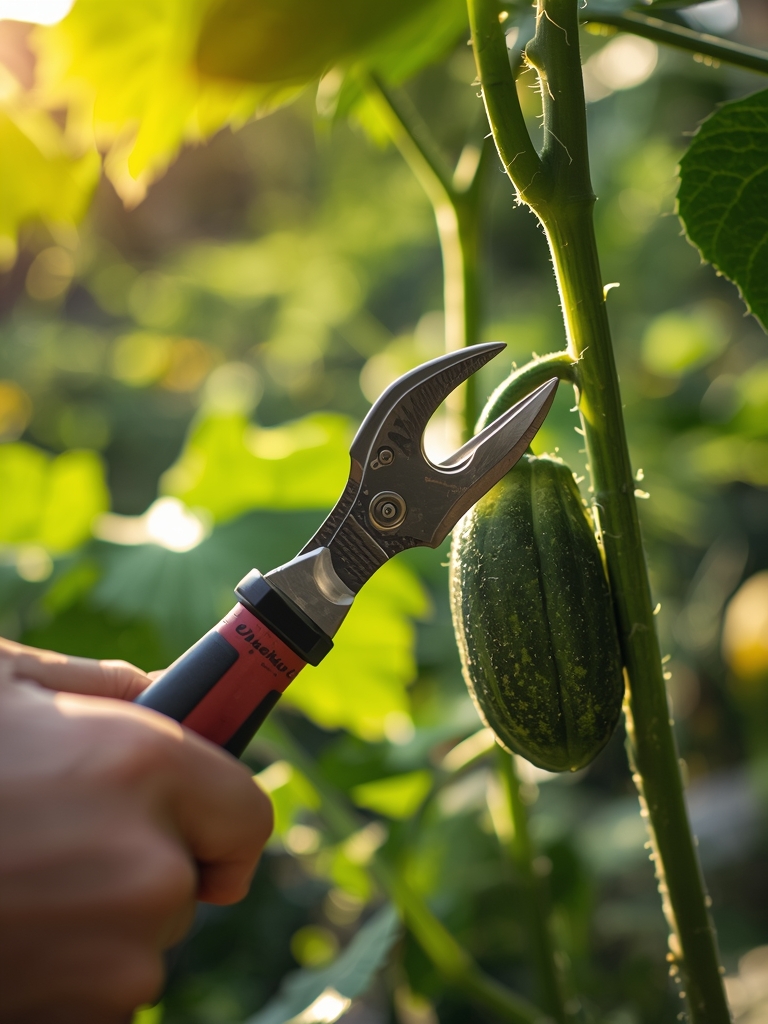
- Bypass pruners with sharp, clean blades. Wipe them with isopropyl alcohol between plants.
- A sharp hori-hori knife or transplanting trowel.
- A soil moisture meter—your finger works, but this removes the guesswork.
Timing / Growing Schedule
Cucumbers are heat-loving annuals. They refuse to grow in soil temperatures below 60°F and thrive when it’s consistently above 70°F.
- Hardiness Zones: Grown as annuals in all zones. Best production in Zones 4-11 with adequate summer heat.
- Seed Starting: Start seeds indoors 3-4 weeks before your last expected spring frost. Sow them ½ inch deep in biodegradable pots to avoid disturbing roots later.
- Transplanting: Harden off seedlings for 7 days. Transplant only when nighttime temperatures are reliably above 55°F. Cold soil shocks them into permanent stunting.
- Days to Maturity: Most bush varieties produce in 50-60 days; vigorous vining types need 55-70 days from transplant.
Step-by-Step Instructions

Phase 1: Establishment (Weeks 1-3 Post-Transplant)
Let the young plant focus on root development. Water deeply at the base to encourage roots to chase moisture down. Secure the main stem loosely to your vertical support as it grows, using a figure-eight tie to prevent girdling.
- Pro-Tip: At transplant, dust the planting hole with a mycorrhizal fungi inoculant. This symbiotic network expands the root system’s reach, improving water and phosphate uptake—a game-changer for stressed plants.
Phase 2: The Initial Prune (When the Vine Reaches the Trellis Top)
Once the main stem grows 6-8 inches past the top of your support, pinch off the very tip. This signals the plant to stop putting energy into upward growth and start developing lateral branches, called laterals, where most fruit will form.
Phase 3: Lateral Management (Ongoing, Weekly Checks)
This is the core of the process. Each lateral branch will grow from a leaf node on the main stem.
- Identify the first 5-7 leaf nodes on the main stem, starting from the base. Remove any flowers, fruit, or laterals that form here. This creates a clean “air skirt” that improves airflow and deters soil-borne pathogens.
- For laterals growing above this zone: Let them develop. When a lateral grows to be two feet long, pinch off its growing tip. This forces it to channel energy into fruiting along its length, not into more leafy sprawl.
- Prune the suckers. Look where a leaf stem meets the main vine. Often, a second, thinner shoot (a sucker) will start there. Pinch these off with your fingers when they are small. They are energetic thieves.
Nutritional & Environmental Benefits
A sun-ripened cucumber from a pruned vine packs more than crunch. It’s a source of silica for connective tissue, potassium for blood pressure regulation, and soluble fiber. In your garden ecosystem, the large, yellow cucumber flowers are potent attractors for native pollinators, especially squash bees and bumblebees. Training vines vertically creates a living wall that provides shade for heat-sensitive companion plants like lettuce, and the improved air circulation significantly reduces fungal pressure, minimizing your need for intervention.
Advanced Methods & Variations
Small Space/Container: Choose a compact “bush” or “patio” variety. Use a tomato cage sunk into a deep pot. Your pruning goal here is simply to remove the lowest 2-3 laterals and pinch any tips that sprawl beyond the cage.
Organic/Permaculture: Plant a living mulch of clover or creeping thyme around the vine base after establishment. It suppresses weeds, moderates soil temperature, and, in the case of clover, fixes atmospheric nitrogen. Use compost tea as a foliar feed every two weeks to boost beneficial leaf microbiology.
Season Extension: To gain an extra 3-4 weeks in fall, sow a second crop 8-10 weeks before your first frost date. Use floating row covers on cool nights. As temperatures drop, mulch heavily with straw to keep root zones warm, protecting the plant long after the top vines have succumbed.
Troubleshooting: Common Mistakes
Symptom: Many flowers but no fruit forming, especially early in the season.
Solution: This is normal for initial male flowers. Be patient. If it persists, you may lack pollinators. Hand-pollinate by using a small brush to transfer yellow pollen from a male flower (plain stem behind it) to the center of a female flower (tiny cucumber-shaped ovary at its base).
Symptom: Fruits are misshapen, bulbous at one end and thin at the other.
Solution: Inconsistent watering. The plant cannot uptake calcium evenly. Maintain steady soil moisture—like a wrung-out sponge—not cycles of swamp and drought.
Symptom: White, powdery patches on leaves, starting on the lower, crowded foliage.
Solution: Powdery mildew. Improve airflow via your vertical pruning. Treat immediately with a weekly spray of 1 tablespoon potassium bicarbonate per gallon of water. Remove severely infected leaves.
Storage & Ongoing Maintenance
Water with 1 inch per week, delivered in 2-3 deep soakings, not daily sprinkles. Fertilize every 3-4 weeks with a liquid fertilizer higher in potassium (the third number, like 2-3-6) once flowering begins. Harvest cucumbers when they are firm and uniformly green, before seeds harden and the skin yellows. Using a knife or pruners, cut the stem ¼ inch above the fruit. Do not yank. Store unwashed fruits in a perforated plastic bag in the refrigerator’s high-humidity drawer for 7-10 days.
Conclusion
The success blueprint is simple: build strong roots, create a clean stem base, manage lateral length, and maintain consistent moisture. This directs photosynthetic energy straight into fruit production, not wasted vegetation. Your reward is a longer, healthier harvest of superior cucumbers. Now, get those pruners sharpened, feel for the crisp snap of a sucker being removed, and go train your vines.
Expert FAQs
Should I remove the first flowers from my cucumber plants?
Yes. Pinch off the first few rounds of flowers, both male and female, that appear on the lowest 5-7 leaf nodes. This allows the plant to establish a stronger root and vine system first, leading to a much heavier total yield later.
What is the best homemade spray for cucumber beetles?
Mix 1 quart of water with 4 teaspoons of neem oil and a few drops of castile soap as an emulsifier. Spray in the early evening, coating the tops and undersides of leaves. This disrupts the feeding of both adult beetles and their larvae.
How do you fix yellowing cucumber leaves?
Yellowing older leaves often indicate a nitrogen deficiency. Yellowing between the veins of new growth suggests iron deficiency, common in high pH soils. Perform a soil test first. For a quick nitrogen boost, side-dress with compost or apply a fish emulsion drench.
Can you prune cucumber plants too much?
Absolutely. Never remove more than 1/3 of the total leaf mass at one time. The leaves are the solar panels powering fruit production. Over-pruning shocks the plant, exposes fruit to sunscald, and drastically reduces your yield.
Why are my container cucumber leaves wilting in the afternoon?
Container soil heats up faster than garden soil, increasing water loss. This is likely heat stress and underwatering. Ensure your pot is large enough (minimum 5 gallons), water deeply in the morning, and consider moving the pot to a location with afternoon shade or using a shade cloth during peak heat.