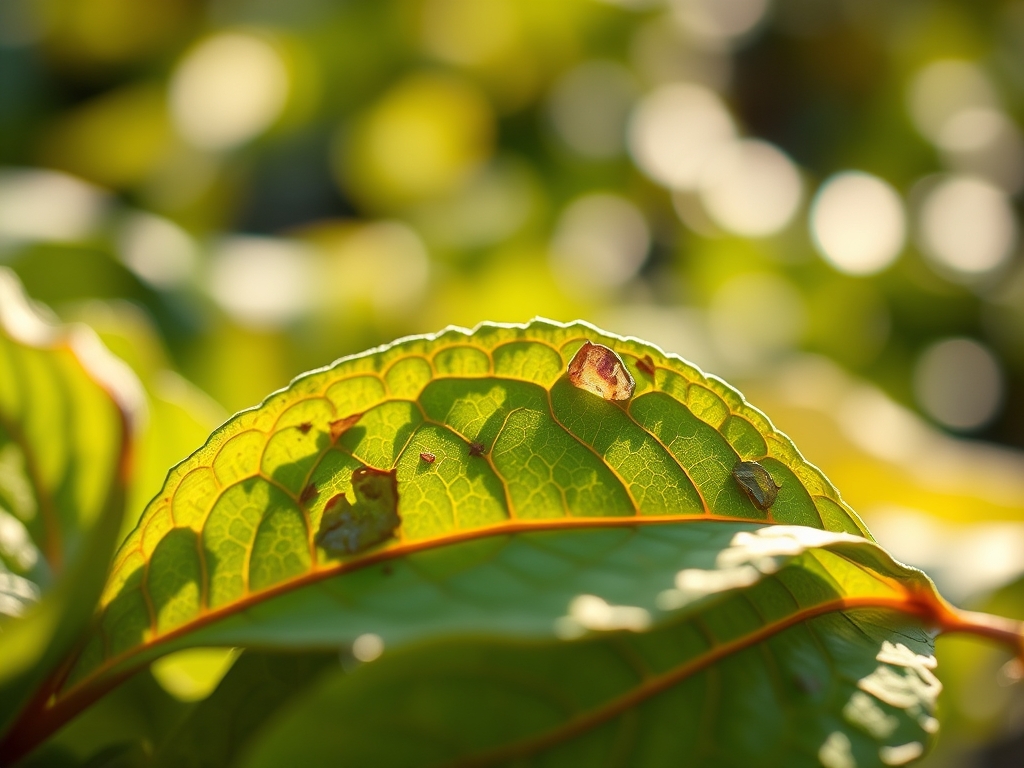
7 Ventilation Steps for Treating Leaf Spot Disease
Healthy leaf tissue maintains high turgor pressure; it feels firm and cool to the touch. When humidity stagnates, fungal pathogens like Cercospora or Septoria colonize the phyllosphere. You can smell the change; the crisp scent of transpiration turns into the heavy, musty odor of anaerobic decay. Implementing specific steps for treating leaf spot with airflow is the only way to arrest this decline without over-relying on fungicides. Proper ventilation reduces the leaf wetness period, effectively starving spores of the moisture required for germination.
Materials:

Managing leaf spot requires a substrate that facilitates rapid drainage and gas exchange. Aim for a **friable loam** consisting of 40 percent sand, 40 percent silt, and 20 percent clay. This texture ensures a high Cation Exchange Capacity (CEC) of **15 to 25 meq/100g**, allowing the plant to uptake nutrients that strengthen cell walls.
The soil pH must be maintained between 6.2 and 6.8 to ensure the bioavailability of Manganese and Zinc; micronutrients essential for the plant's immune response. Use a fertilizer with an NPK ratio of 5-10-10 during active infection. High nitrogen (the first digit) promotes succulent, soft growth that is highly susceptible to fungal penetration. Phosphorus and Potassium encourage structural integrity and osmotic regulation. You will also need a digital anemometer to measure wind speed and a psychrometer to monitor relative humidity levels within the canopy.
Timing:
Pathogen pressure peaks in Hardiness Zones 7 through 9 during the transition from late spring to early summer. This window usually occurs between the last frost date in April and the onset of high humidity in June. The biological clock of the plant dictates its vulnerability. During the vegetative stage, the plant allocates energy to leaf production; however, as it transitions to the reproductive stage, resources shift toward flowering or fruiting. This shift often triggers early senescence in older foliage, making it the primary target for leaf spot. Monitor your local dew point; when it exceeds 65 degrees Fahrenheit, fungal spores can germinate on a leaf surface in as little as two hours of continuous moisture.
Phases:

Sowing and Spatial Planning
Begin by calculating the mature width of the species. Space plants at a distance of 1.5 times their maximum spread. This creates a "wind tunnel" effect between rows. In greenhouse environments, install horizontal airflow (HAF) fans to maintain a constant air velocity of 50 to 100 feet per minute at the plant level.
Pro-Tip: Proper spacing utilizes the Bernoulli principle. By creating narrow channels between dense foliage, air velocity increases, which lowers the air pressure and pulls humid air out of the interior canopy.
Transplanting and Root Establishment
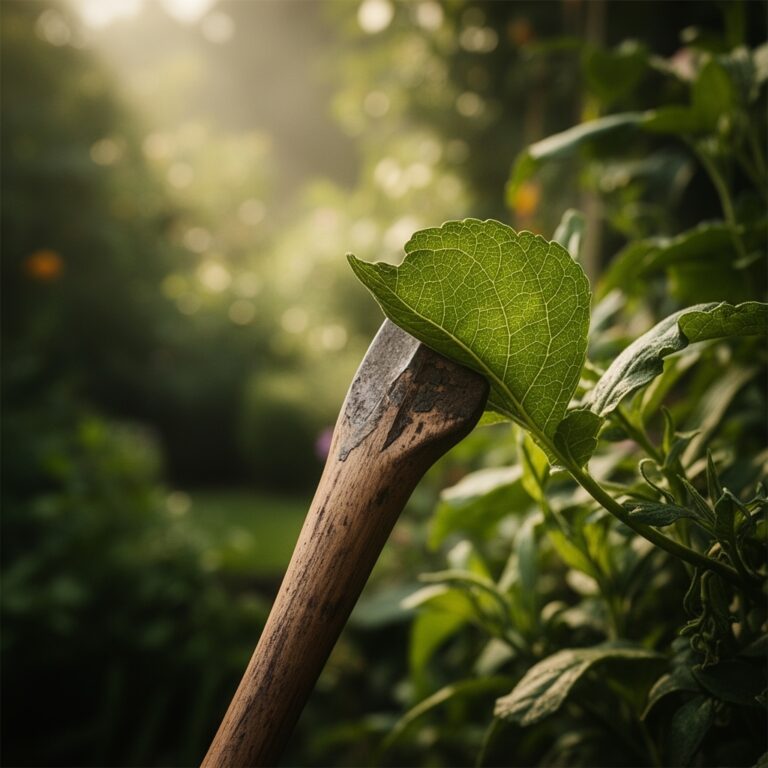
When moving starts to the field, ensure the rhizosphere is not compacted. Use a hori-hori knife to scarify the edges of the planting hole. This prevents root circling and ensures the plant can access deep soil moisture, maintaining turgor even when surface winds increase evaporation rates.
Pro-Tip: Establishing a deep root system encourages mycorrhizal symbiosis. These beneficial fungi extend the root surface area, improving the uptake of Phosphorus, which strengthens the plant against the physiological stress of high-airflow environments.
Establishing Airflow Channels
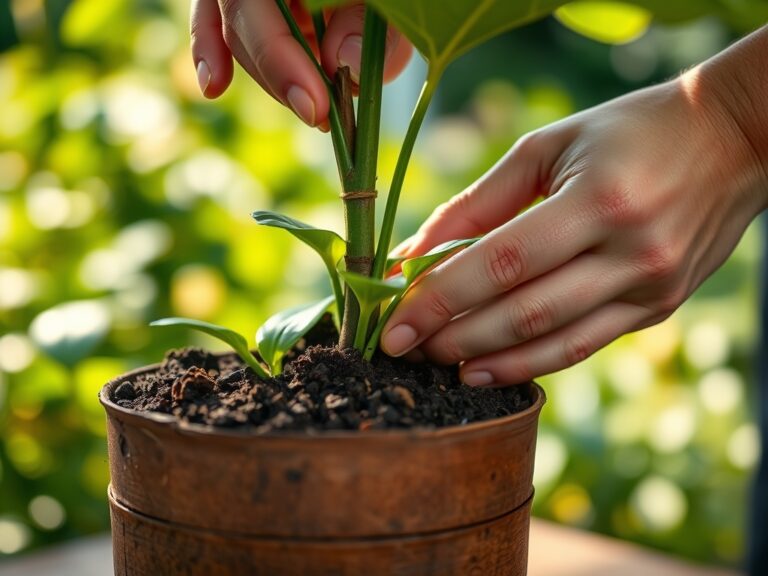
Once the plant reaches 50 percent of its mature height, initiate "bottom-up" pruning. Remove all foliage within the bottom 6 to 10 inches of the main stem. This removes "ladder fuels" for fungal spores that splash up from the soil during rain events.
Pro-Tip: Removing lower, shaded leaves reduces auxin suppression in the upper nodes. This redirected hormonal energy promotes thicker cuticle development on the remaining leaves, making them harder for fungal hyphae to penetrate.
The Clinic:
Physiological disorders often mimic leaf spot. Distinguishing between them is critical for treatment.
Symptom: Interveinal chlorosis on young leaves.
Solution: This indicates a Manganese deficiency. Adjust soil pH to 6.5. If the pH is above 7.2, Manganese becomes chemically locked and unavailable to the plant.
Symptom: Marginal necrosis (browning of leaf edges) on older leaves.
Solution: This is typically Potassium deficiency. Potassium regulates the opening and closing of stomata. Apply a sulfate of potash supplement to restore osmotic pressure and water retention.
Symptom: Water-soaked lesions that turn black.
Solution: This is likely bacterial leaf spot. Immediately increase airflow to 150 feet per minute and reduce overhead irrigation. Bacteria require a film of water to move; drying the leaf surface stops the spread.
Fix-It for Nitrogen Chlorosis: If the entire plant turns pale green, apply a foliar spray of liquid seaweed or fish emulsion. The high bioavailability allows for rapid nitrogen uptake without the "flush" of soft growth associated with synthetic urea.
Maintenance:
Precision is the hallmark of a professional grower. Use a soil moisture meter daily. Plants in high-airflow zones lose water faster due to transpiration. Provide 1.5 inches of water per week delivered at the drip line via drip irrigation. Avoid overhead sprinklers; keeping the foliage dry is the most effective way to prevent spore germination.
Use bypass pruners to thin the interior of the canopy. Every cut should be made at a 45-degree angle just above a lateral bud to encourage outward growth. Sanitize tools between every plant using a 70 percent isopropyl alcohol solution to prevent the mechanical transfer of pathogens. Monitor the air density; if the canopy becomes so thick that you cannot see through it, it is a stagnant zone ripe for infection.
The Yield:
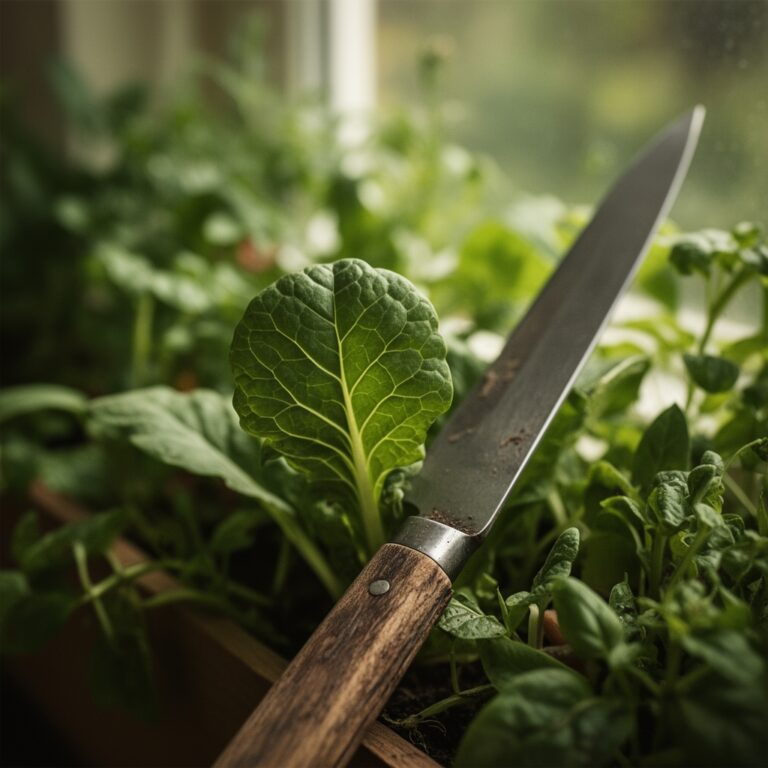
For edible crops or cut flowers, harvest during the "cool of the day," typically between 5:00 AM and 8:00 AM. At this time, the plant is at maximum turgor. Use a sharp knife to make clean cuts, minimizing the surface area of the wound.
Post-harvest handling is vital for "day-one" freshness. Immediately plunge the stems into water chilled to 40 degrees Fahrenheit. This "hydro-cooling" removes field heat and slows the metabolic rate of the tissue, preventing the rapid senescence that allows opportunistic fungi to take hold after the harvest.
FAQ:
How does airflow stop leaf spot?
Airflow reduces the relative humidity within the plant canopy. By keeping the leaf surface dry, it prevents fungal spores from hydrating and penetrating the leaf cuticle. Moving air also strengthens the plant stems through a process called thigmomorphogenesis.
What is the best fan speed for plants?
Aim for a constant velocity of 50 to 100 feet per minute. This is enough to gently move the leaves without causing windburn or excessive desiccation. Use an anemometer to verify speeds at the center of the canopy.
Can I use a leaf blower to treat leaf spot?
No. High-velocity air from a leaf blower can damage delicate leaf tissues and spread spores further into the garden. Consistent, low-volume air movement from HAF fans or strategic pruning is the professional standard for disease management.
When is leaf spot most active?
Activity peaks when temperatures are between 70 and 85 degrees Fahrenheit and humidity exceeds 80 percent. During these periods, check your plants daily for small, water-soaked spots which are the first signs of fungal colonization.