9 Best Geotextile Fabrics for Stabilizing Patio Bases
Settling pavers on unstable ground invites disaster. Shifting sand, migrating silt, and root intrusion compromise even the most carefully leveled patio surface within a single season. The best geotextile fabric for patio bases acts as a non-degradable barrier between native soil and aggregate, maintaining separation while allowing water to drain freely. Proper fabric selection depends on soil texture, load-bearing requirements, and the cation exchange capacity of the underlying substrate.
Materials
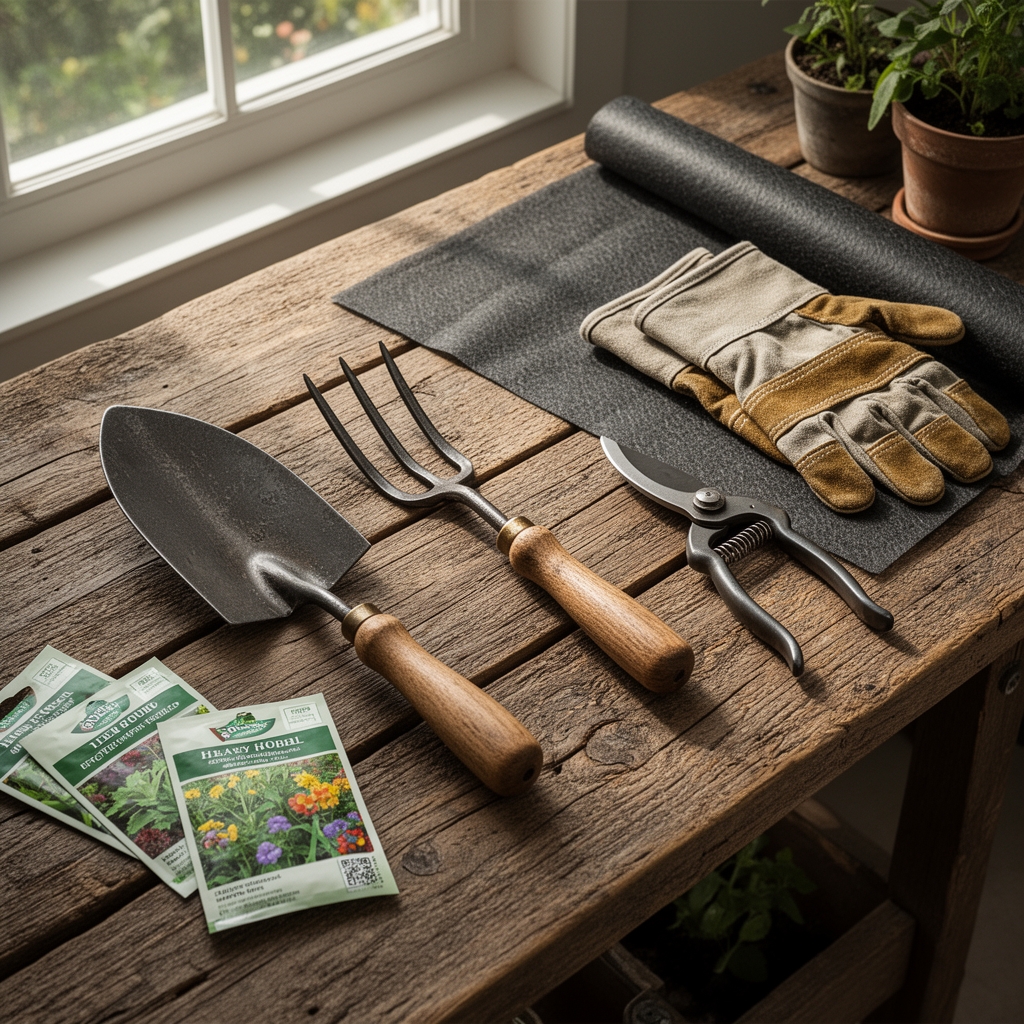
Geotextile fabrics divide into woven and non-woven categories, each with distinct filtration and tensile properties. Woven polypropylene fabrics offer tensile strength exceeding 200 pounds per inch, ideal for clay soils with pH 6.0 to 7.5 where expansion and contraction cycles exert lateral force. Non-woven needle-punched polyester provides superior filtration in sandy loams, preventing upward migration of fine particles while maintaining a permeability rate of 120 gallons per minute per square foot.
Heavy-duty landscape fabric rated at 6 ounces per square yard suits pedestrian patios. Vehicular traffic demands 8- to 12-ounce fabrics with puncture resistance above 400 pounds. Stabilization fabric with an apparent opening size of 70 to 100 U.S. Standard Sieve prevents soil migration without impeding drainage. UV-resistant coatings extend surface life to 25 years when exposed edges receive proper anchoring.
Separation geotextiles function differently than erosion-control fabrics. Base stabilization requires material with elongation rates below 15 percent to prevent deformation under compacted aggregate. Permeable membranes maintain hydraulic conductivity while blocking roots and preventing the intermixing of dissimilar soil horizons. Soil pH below 5.5 or above 8.0 requires chemically inert polypropylene rather than biodegradable jute or coir.
Timing
Installation timing aligns with soil moisture content and frost penetration depth. Spring installation in Hardiness Zones 5 through 7 should occur after soil temperatures stabilize above 45°F and before late-season rains saturate the substrate. Fall installation proceeds six weeks before the first hard freeze to allow proper compaction without frost heave interference.
Zones 8 through 10 permit year-round installation with attention to monsoon patterns and waterlogged conditions. Winter installation in frozen ground risks uneven settling during spring thaw. Soil moisture content between 10 and 15 percent optimizes compaction without creating impermeable layers that trap water above the fabric plane.
Ground preparation requires removing organic matter to a depth of 8 to 12 inches. Topsoil with high organic content compresses unpredictably as decomposition proceeds. Clay content above 30 percent necessitates deeper excavation to prevent expansive soil from heaving the patio surface.
Phases

Site Preparation
Excavate to the design depth plus 2 inches to accommodate fabric and bedding layers. Slope the base 2 percent away from structures to direct surface water. Compact native soil with a plate compactor in 2-inch lifts until achieving 95 percent of maximum dry density per Proctor test standards.
Pro-Tip: Spray the compacted subgrade with a 10 percent bentonite slurry to seal micropores in sandy soils, reducing water infiltration that destabilizes upper layers.
Fabric Installation
Roll fabric perpendicular to the direction of aggregate placement. Overlap adjacent sheets 12 to 18 inches, securing seams with 6-inch galvanized staples every 24 inches. Extend fabric 6 inches beyond the excavation perimeter to prevent lateral migration at edges.
Maintain consistent tension during unrolling to avoid wrinkles that create weak points under load. Cut fabric with shears rather than tearing to prevent fiber fraying. Pin fabric edges with landscape staples every 12 inches before adding aggregate.
Pro-Tip: In areas with aggressive root systems such as willow or poplar, install a secondary HDPE root barrier 3 inches below the geotextile to block auxin-driven root penetration.
Aggregate Placement
Spread 4 inches of crushed angular stone over the fabric in two lifts. Granite or limestone aggregate with particles ranging from 0.5 to 0.75 inches provides mechanical interlock. Avoid rounded river rock that shifts under load.
Compact each lift to 98 percent density, checking with a nuclear density gauge. Add 1 inch of coarse sand as a bedding layer, screeding to uniform thickness. Set pavers immediately after screeding to prevent wind displacement or rain washout.
Pro-Tip: Moisten the aggregate lightly before compaction to activate fines that fill voids, but avoid saturation that reduces compressive strength by 40 percent.
Troubleshooting
Symptom: Fabric shows through gaps between pavers.
Solution: Remove pavers, add 0.5 inches of bedding sand, and re-level. Insufficient bedding depth allows settling that exposes fabric edges.
Symptom: Ponding water on patio surface after rain.
Solution: Check fabric permeability with a field infiltration test. If flow rate drops below 50 gallons per minute per square foot, silt has clogged the fabric. Remove aggregate, replace fabric, and install a 2-inch gravel drainage layer beneath new fabric.
Symptom: Edge pavers tilt outward within one year.
Solution: Install a rigid edge restraint anchored with 10-inch spikes every 18 inches. Fabric alone cannot prevent lateral creep in the absence of mechanical edging.
Symptom: Plant roots penetrate fabric from below.
Solution: Apply a granular pre-emergent herbicide containing trifluralin at 2 pounds per 1,000 square feet to the subgrade before fabric installation. This inhibits root elongation without leaching into groundwater.
Symptom: Fabric degrades along exposed edges within five years.
Solution: Bury all fabric edges under 4 inches of soil or mulch. UV exposure breaks polymer chains, reducing tensile strength by 60 percent in direct sunlight.
Maintenance
Inspect paver joints annually for sand loss. Sweep polymeric sand into gaps, misting lightly to activate binding agents. Pressure-wash at 1,500 psi maximum to avoid displacing bedding sand. Reapply joint sand after cleaning.
Check edge restraints every spring for frost heave displacement. Reset any lifted sections and add supplemental spikes. Remove vegetation within 6 inches of patio edges to prevent root intrusion.
Every five years, lift corner pavers to inspect fabric condition. Replace fabric showing tears, excessive silt buildup, or reduced permeability. Monitor for subsidence greater than 0.25 inches, indicating base failure beneath the fabric layer.
FAQ
What weight geotextile fabric is best for a patio base?
Pedestrian patios require 4- to 6-ounce non-woven fabric. Driveways need 8- to 12-ounce woven polypropylene with 300-pound tensile strength.
Can I use landscape fabric instead of geotextile fabric?
Standard landscape fabric lacks the tensile strength and permeability for base stabilization. Use only fabrics meeting AASHTO M288 specifications for soil separation.
How do I prevent weeds from growing through geotextile fabric?
Geotextile fabric blocks soil migration but not seeds deposited in joint sand. Use polymeric sand or apply pre-emergent herbicide annually to joint surfaces.
Does geotextile fabric stop all drainage?
Properly specified geotextile maintains permeability above 50 gallons per minute per square foot. Silt accumulation over time requires periodic aggregate replacement to restore flow rates.
How long does geotextile fabric last under a patio?
Buried geotextile protected from UV exposure lasts 50 to 100 years. Surface-exposed edges degrade within 5 to 10 years without soil cover.