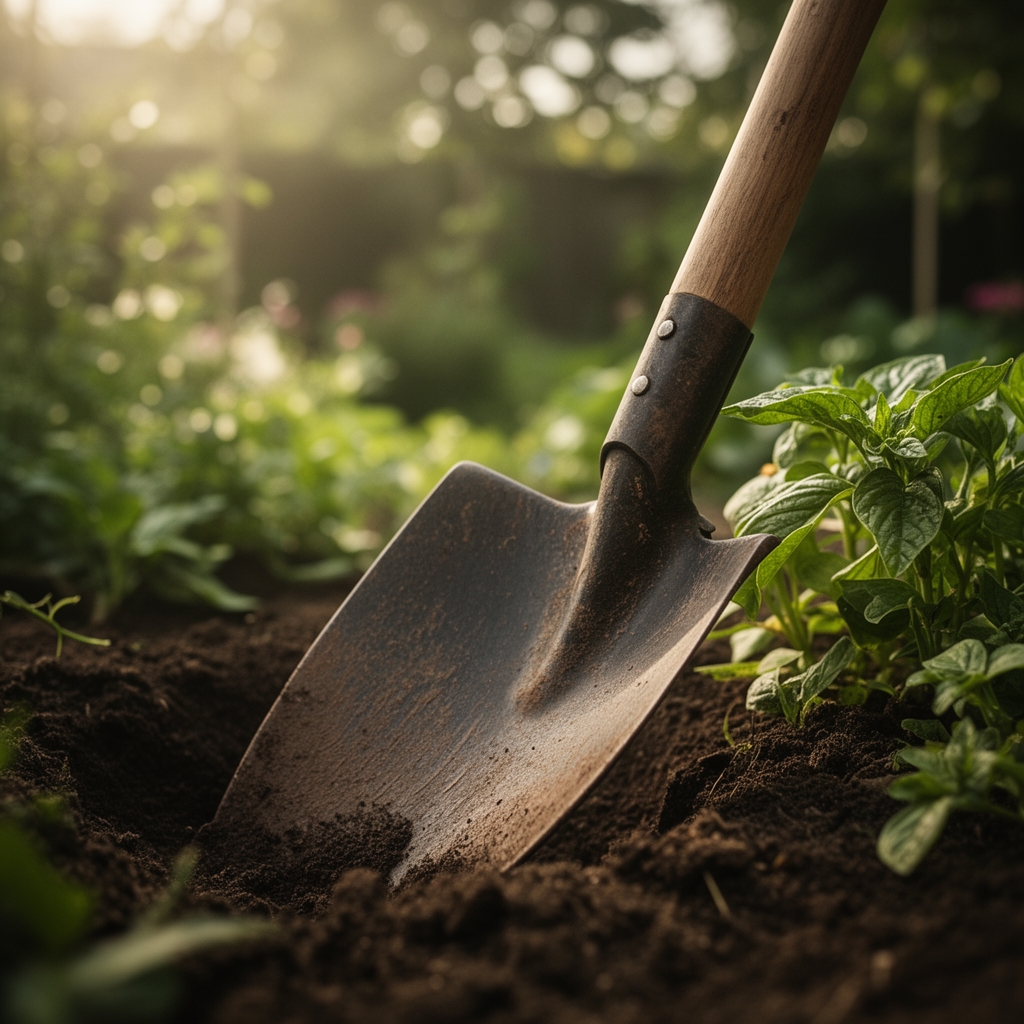
8 Tips to Use a Point Shovel for Deep Excavation
The blade cuts into packed clay with a sound like tearing canvas, and the resistance climbs from your grip through your forearms into your shoulders. Using a point shovel for deep digging transforms that resistance into leverage. The tapered profile concentrates force at a narrow edge, cleaving through compacted substrates where flat-edged spades glance or bend. For excavations exceeding 18 inches, where root zones transition from topsoil into B-horizon clay, the point shovel becomes essential infrastructure.
Materials
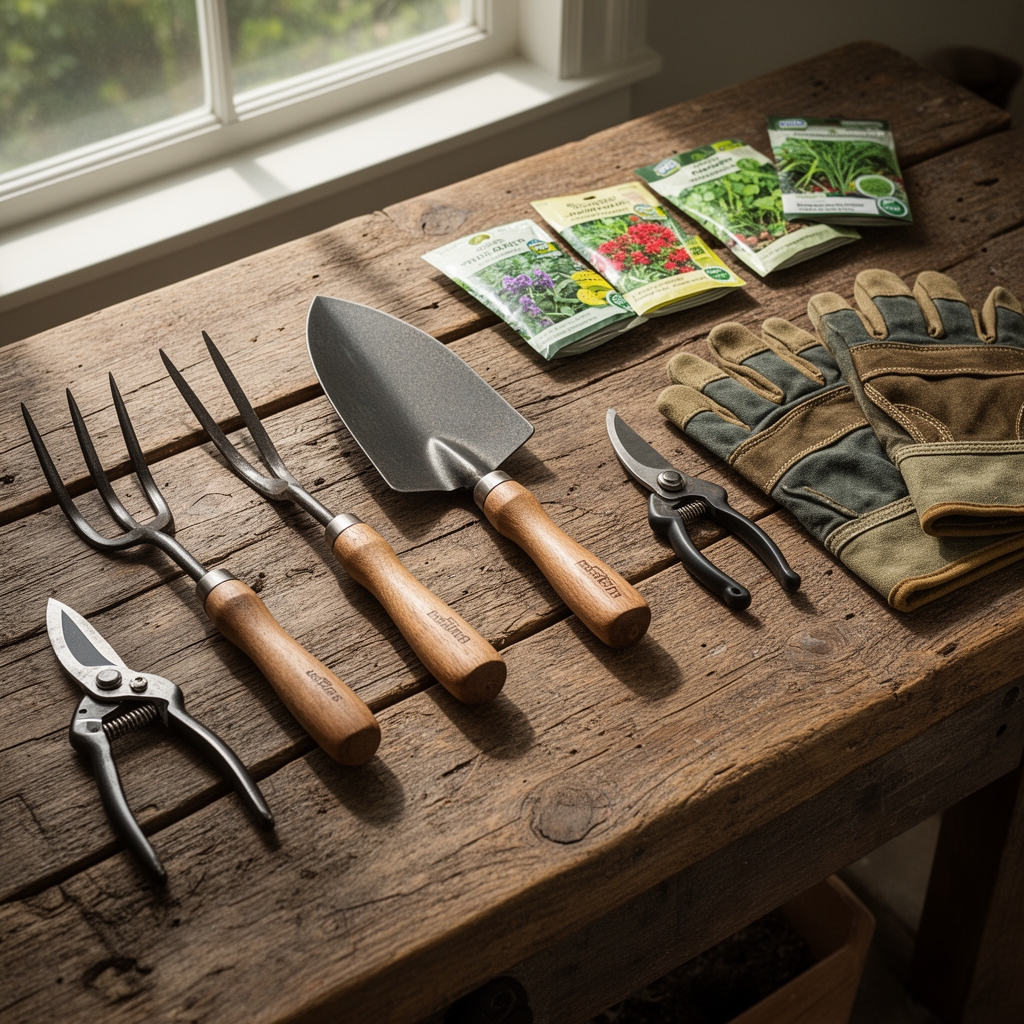
Select a forged-steel blade measuring 11 to 12 inches in length with a 7-inch maximum width. Carbon content should reach 0.6 to 0.8 percent for edge retention without brittleness. The shaft requires ash or fiberglass construction, 48 inches minimum, to maximize mechanical advantage during deep prying motions.
Before excavation, test soil pH using a calibrated meter. Clay soils typically register 6.0 to 7.5 pH. Amend only after excavation if the target crop demands alteration. For vegetable beds, incorporate a 5-5-5 balanced organic fertilizer at 2 pounds per 100 square feet. Tree planting holes benefit from mycorrhizal inoculant powder (Rhizophagus irregularis) applied at 1 tablespoon per cubic foot of backfill. Avoid high-nitrogen amendments (exceeding 10-5-5 NPK) in deep zones where anaerobic conditions can convert nitrates into phytotoxic compounds.
Cation exchange capacity governs nutrient retention. Sandy substrates below 10 meq/100g require compost integration at 30 percent by volume. Heavy clays exceeding 25 meq/100g need gypsum (calcium sulfate) at 5 pounds per 100 square feet to improve aggregate structure without altering pH.
Timing
Hardiness Zones 3 through 6 permit deep excavation only after soil temperature at 12-inch depth reaches 45°F, typically three weeks before last spring frost. Frozen ground damages blade edges and increases injury risk. Zones 7 through 9 allow year-round digging except during saturated conditions when soil plasticity exceeds the liquid limit.
Schedule tree and shrub installations for dormant periods: November through March in temperate zones. Auxin distribution peaks during dormancy, promoting rapid root establishment post-transplant. Perennial bed preparation occurs six weeks before intended planting dates, allowing soil structure to re-consolidate after disturbance.
Avoid excavation within 24 hours of rainfall exceeding 0.5 inches. Saturated clay smears rather than fractures, creating hydrophobic layers that impede drainage for multiple seasons.
Phases

Initial Penetration
Position the blade at 70 degrees to the ground surface. Drive the point using body weight transferred through your dominant foot on the shoulder step. Rock the handle through a 15-degree arc to fracture the initial wedge. Remove soil in 4-inch lifts rather than attempting full-depth slices. This prevents overloading and maintains blade geometry.
Pro-Tip: Sharpen the blade edge to 20 degrees using a mill bastard file every 50 linear feet of clay excavation. Dull edges require 40 percent more force and compress rather than cut soil aggregates.
Depth Expansion
After reaching 12 inches, switch to undermining technique. Insert the blade horizontally at excavation base, then lever upward using the shaft as a class-one lever. The fulcrum point sits at the pit edge. This motion fractures hardpan layers without excessive spinal loading.
For depths exceeding 24 inches, stage the excavation. Create a 6-inch perimeter bench at 18-inch depth. This provides stable footing and reduces wall collapse risk in cohesionless soils.
Pro-Tip: Apply graphite powder or silicone spray to blade faces when working adhesive clay. Reduces soil sticking by 60 percent and decreases effort per lift.
Finishing
Scarify pit walls using the blade point in vertical strokes spaced 2 inches apart. This disrupts glazed surfaces that repel root penetration. Slope walls outward at 80 degrees in sandy soils to prevent slumping.
Pro-Tip: Reserve the top 6 inches of excavated topsoil separately. This A-horizon material contains 70 percent of soil microbial biomass. Backfill with subsoil first, then cap with the reserved topsoil to restore biological activity.
Troubleshooting
Symptom: Blade deflection or bending during penetration.
Solution: Soil contains coarse gravel or rubble. Switch to a percussive digging bar to fracture obstacles, then resume with the point shovel. Never use the shovel as a prying lever against rocks exceeding 4 inches.
Symptom: Excessive shoulder or wrist strain after 30 minutes.
Solution: Handle length insufficient for user height. Add 6 inches of shaft length for operators exceeding 6 feet tall. Grip with hands spaced 18 inches apart to distribute torque.
Symptom: Soil adheres in thick layers to blade.
Solution: Moisture content at or above plastic limit (25 to 30 percent in clay). Delay excavation 48 hours or dust blade with dry sand between lifts.
Symptom: Rapid fatigue in forearms and grip.
Solution: Blade angle too aggressive. Reduce entry angle to 60 degrees and remove thinner lifts of 3 inches.
Maintenance
Sharpen the blade edge after every 8 hours of use in mineral soils. Store with a thin coat of linseed oil on steel surfaces to prevent oxidation. Inspect the handle-to-socket connection monthly. Tighten rivets or replace split rings before loosening exceeds 2mm of play.
Clean soil residue immediately after use. Dried clay creates microfractures in protective coatings and accelerates corrosion. Rinse with water at 60°F, then dry with absorbent cloth.
Replace handles showing grain separation or compression damage exceeding 1/8 inch depth. A compromised shaft fails suddenly under load, typically during maximum leverage application.
FAQ
What depth can a point shovel realistically achieve?
Experienced operators reach 30 inches in loam, 24 inches in clay, and 36 inches in sandy soils before mechanical advantage declines below practical thresholds.
How does a point shovel differ from a drain spade?
Point shovels feature wider blades (7 inches vs. 4 inches) and shorter lengths (11 inches vs. 16 inches), optimizing for general excavation rather than narrow trench work.
Can I use a point shovel to sever roots?
Roots up to 1 inch diameter yield to a sharpened point blade. Larger structural roots require loppers or a root saw to prevent blade damage.
What soil types resist point shovel excavation?
Cemented caliche layers, compacted subsoils exceeding 400 psi penetration resistance, and soils with stone content above 35 percent by volume require mechanical augering.
How much soil can I move per hour?
Average excavation rates: 8 cubic feet per hour in clay, 12 cubic feet in loam, 16 cubic feet in sand, assuming 18-inch depth and experienced technique.