8 Steps to Group Plants for Better Indoor Humidity
Indoor air often hovers below 30% relative humidity during heating season, desiccating both human respiratory tissue and tropical foliage. Grouping houseplants into proximity clusters creates localized microenvironments where transpired moisture accumulates, sometimes raising ambient humidity by 5-12 percentage points within a three-foot radius. These steps for grouping plants for better humidity rely on matching water-budget requirements, leaf-surface area, and stomatal density to maximize vapor output without inviting fungal pathogens. The technique borrows from greenhouse bench design, where evapotranspiration from massed specimens can lift daytime humidity above 60% even in arid climates.
Materials
Substrate and Amendment pH:
Use a soilless mix buffered to pH 5.5-6.2 for most tropical species. Incorporate sphagnum peat or coconut coir as the base, blending in 15% perlite to maintain cation exchange capacity near 12-18 meq/100 g. For aroids and ferns that prefer slightly lower pH, add sulfur dust at 1 teaspoon per gallon of mix.
Fertilizer NPK:
Apply a balanced 4-4-4 organic meal every six weeks during active growth. Slow-release formulations minimize salt accumulation and prevent root-tip burn in high-density groupings. Liquid kelp extract at 1 tablespoon per gallon provides micronutrients, especially iron chelates and manganese, which support chlorophyll synthesis under lower-light conditions typical of clustered arrangements.
Containers:
Select unglazed terracotta pots for high-transpiration species like ferns and calatheas; the porous walls wick moisture outward and contribute to the humidity envelope. Plastic or glazed ceramic suits succulents and cacti that should not join humidity-loving groups.
Timing
Hardiness Zones Indoors:
Most houseplants originate from USDA equivalent zones 10-12. Indoor groupings succeed year-round, but repositioning clusters in autumn, before central heating begins, preempts the shock of sudden humidity drops.
Seasonal Windows:
Initiate groupings two weeks before first frost outdoors, typically mid-October in Zone 6 and early November in Zone 7. This coincides with reduced outdoor ventilation and the onset of furnace operation. Re-evaluate spacing in March when longer photoperiods accelerate transpiration rates.
Phases
Sowing (Propagation Phase):
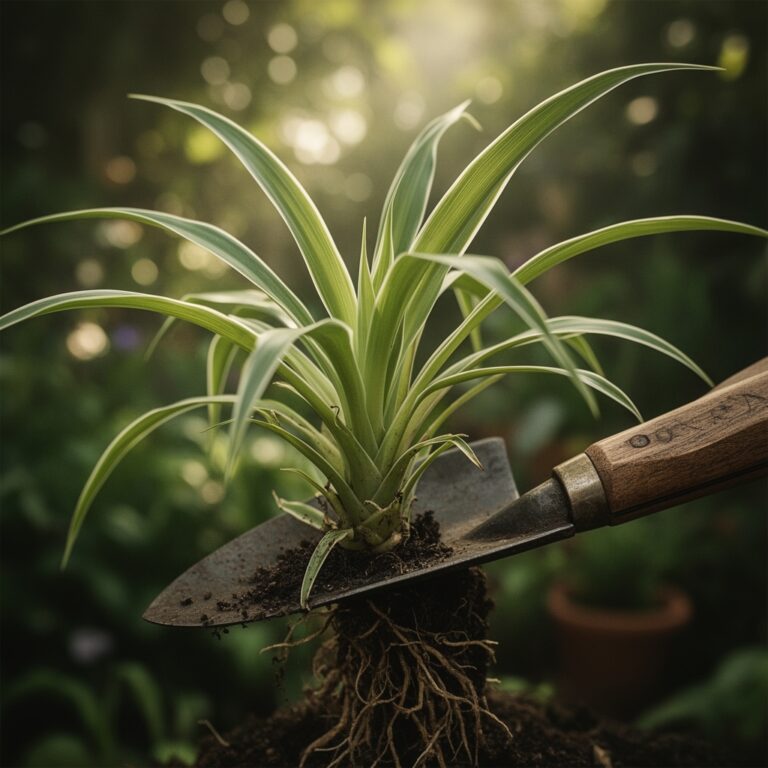
Begin by propagating cuttings from high-transpiration donors: pothos (Epipremnum aureum), spider plant (Chlorophytum comosum), and Boston fern (Nephrolepis exaltata). Root cuttings in a 50:50 perlite-vermiculite blend under clear plastic domes to maintain 80-90% humidity. Transfer rooted cuttings to 4-inch pots once root length exceeds 2 inches.
Pro-Tip: Dust cut stems with rooting hormone containing 0.1% indole-3-butyric acid (IBA) to accelerate auxin distribution and adventitious root formation within seven days.
Transplanting (Assembly Phase):
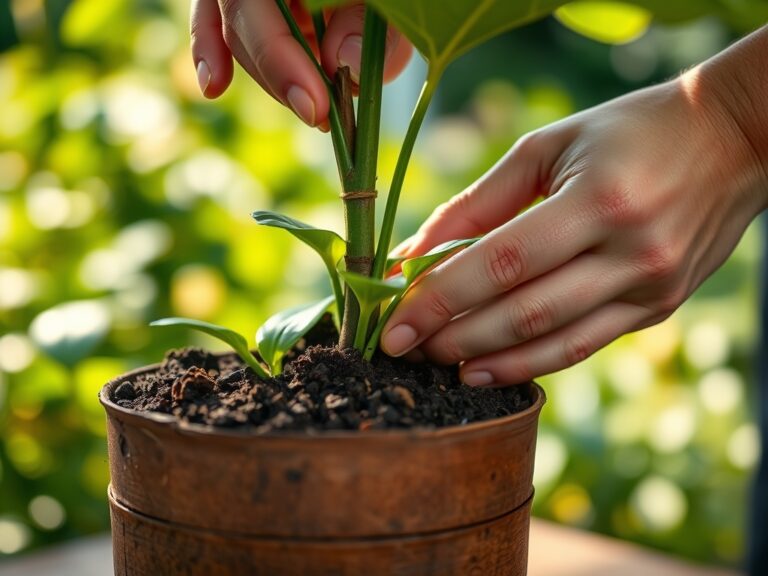
Arrange pots on a waterproof tray filled with 1 inch of expanded clay aggregate (LECA). Add water until the surface of the aggregate remains visible but saturated; capillary action draws moisture upward without waterlogging root zones. Position tallest specimens at the back, cascading or rosette forms at the front, ensuring no single plant shades more than 30% of a neighbor's canopy.
Pro-Tip: Tilt pots 5 degrees inward toward the cluster center to direct transpired vapor into a shared column rather than dispersing it laterally.
Establishing (Equilibration Phase):
Monitor relative humidity with a digital hygrometer placed 6 inches above the canopy. Within 72 hours, readings should stabilize 8-10 points above baseline room humidity. If gains fall short, add a shallow dish of water to the tray or increase plant density by 20%.
Pro-Tip: Inoculate root zones with Glomus intraradices mycorrhizal fungi at transplant. Hyphal networks extend effective root surface area by up to 40%, enhancing water uptake and transpiration capacity.
Troubleshooting
Symptom: Marginal leaf necrosis and curling.
Solution: Humidity remains below 40%. Add a second cluster within 3 feet or mist foliage twice daily with distilled water to prevent mineral spotting.
Symptom: White fungal threads (mycelium) on soil surface.
Solution: Excessive moisture. Reduce tray water depth to 0.5 inch and increase air circulation with a low-speed oscillating fan positioned 4 feet away.
Symptom: Spider mite stippling on undersides of leaves.
Solution: Low humidity invites Tetranychus urticae. Raise ambient moisture above 50% and spray neem oil emulsion (2 tablespoons per gallon) weekly for three weeks.
Symptom: Yellowing lower leaves despite adequate light.
Solution: Nitrogen deficiency from leaching in high-moisture substrates. Top-dress with blood meal (12-0-0) at 1 tablespoon per 6-inch pot.
Maintenance
Watering:
Deliver 1 inch of water per week, measured by placing an empty tuna can in the tray during irrigation. Water when the top 1 inch of substrate feels dry. Clustered plants deplete soil moisture 30% faster than isolated specimens.
Pruning:
Remove senescent leaves monthly to maintain airflow. Cut petioles at a 45-degree angle 0.25 inch above the node to minimize pathogen entry.
Fertilization:
Alternate between granular 4-4-4 and liquid fish emulsion (5-1-1) every six weeks. Foliar feeding with 0.5% solution enhances stomatal function and transpiration efficiency.
Rotation:
Turn the entire tray 90 degrees weekly to equalize light distribution and prevent phototropic leaning.
FAQ
How many plants create measurable humidity increases?
Three to five medium specimens (6-8 inch pots) grouped within a 2-foot diameter raise local humidity by approximately 10%.
Can succulents join humidity groups?
No. Succulents employ crassulacean acid metabolism, opening stomata at night and contributing negligible daytime moisture. Group them separately.
What distance between clusters maintains independence?
Space clusters at least 5 feet apart to prevent overlapping humidity envelopes and fungal spore transfer.
Does artificial light affect transpiration?
Yes. LED fixtures with 6,500 K color temperature increase stomatal conductance by 15% compared to 3,000 K warm-spectrum bulbs.
How often should I clean tray aggregate?
Rinse LECA monthly in a 10% hydrogen peroxide solution to remove algae and mineral deposits that block capillary pathways.