7 Steps to Prepare a Native Plant Bird Sanctuary
Learning how to prepare a garden for a bird sanctuary begins with understanding that native plants form the foundation of avian habitat. The scent of milkweed latex on your fingertips, the weight of loamy soil, and the rustle of seed heads in autumn wind mark the sensory experience of creating refuge. Birds require three elements: food sources through seed, nectar, and insects; shelter in layered canopy structures; and water features for drinking and bathing. Establishing these elements through native plantings transforms ordinary garden space into functional habitat. The process demands attention to soil biology, seasonal timing, and species selection aligned with regional ecology.
Materials
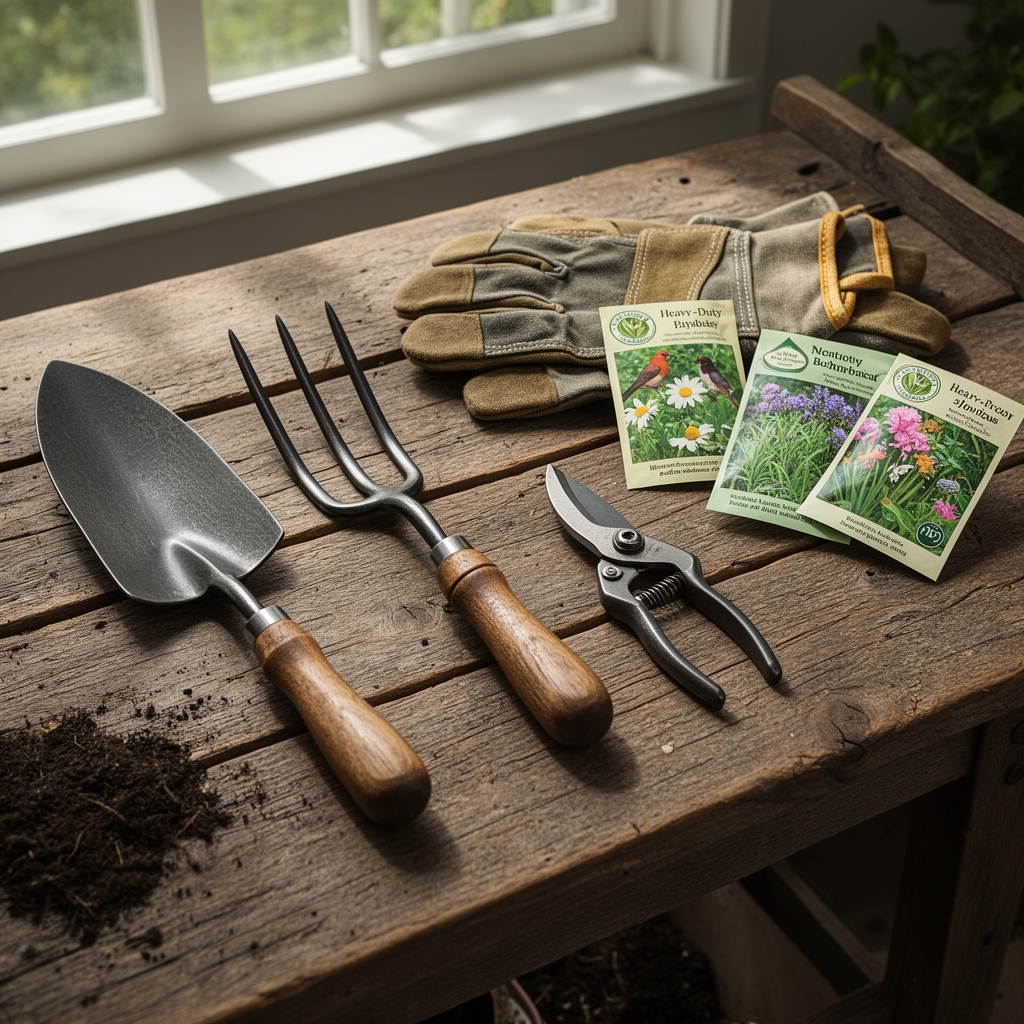
Soil amendments should match your existing pH. Test kits reveal whether your site sits acidic (below 6.0), neutral (6.0-7.0), or alkaline (above 7.0). For acidic conditions, incorporate sulfur at 1 pound per 100 square feet or pine bark fines at 2-inch depth. Alkaline soils benefit from elemental sulfur or compost at 3-inch incorporation depth.
Select fertilizers with balanced NPK ratios. A 4-4-4 organic meal provides slow-release nutrition without excessive nitrogen that promotes soft growth attractive to aphids. Fish emulsion (5-1-1) delivers quick nitrogen for establishment phase. Bone meal (3-15-0) supports root development in transplants. Rock phosphate (0-3-0) offers long-term phosphorus on a five-year schedule.
Mycorrhizal fungi inoculants colonize root zones and expand nutrient uptake by 1000%. Purchase Glomus intraradices or Rhizophagus irregularis species. These organisms trade soil phosphorus for plant carbohydrates, establishing symbiotic relationships that enhance drought tolerance.
Mulch materials include shredded hardwood bark (3-inch layer), pine straw (4-inch layer for acid-lovers), or leaf mold (2-inch layer with high cation exchange capacity). Avoid dyed mulches containing chromium or arsenic compounds.
Native plant selections must include:
- Grasses: Little bluestem (Schizachyrium scoparium), switchgrass (Panicum virgatum)
- Forbs: Purple coneflower (Echinacea purpurea), black-eyed Susan (Rudbeckia hirta)
- Shrubs: Elderberry (Sambucus canadensis), serviceberry (Amelanchier species)
- Trees: Oak (Quercus species), cherry (Prunus species)
Timing
Hardiness Zones dictate planting windows. Consult USDA maps for your specific zone designation. Zones 3-5 require spring planting between last frost (May 15-June 1) and mid-June. Zones 6-7 allow both spring (April 1-May 15) and fall (September 15-October 30) establishment. Zones 8-10 favor fall planting (October-December) to avoid summer heat stress.
Calculate last frost dates using 30-year climate averages, not single-year observations. Soil temperature matters more than air temperature. Seeds germinate when soil reaches 50°F for cool-season species and 65°F for warm-season grasses. Use a soil thermometer at 4-inch depth taken at 8:00 AM for accurate readings.
Fall preparation begins 90 days before first frost. This timing allows root establishment without triggering excessive top growth. Auxin distribution favors downward root expansion in cooling soil temperatures.
Phases
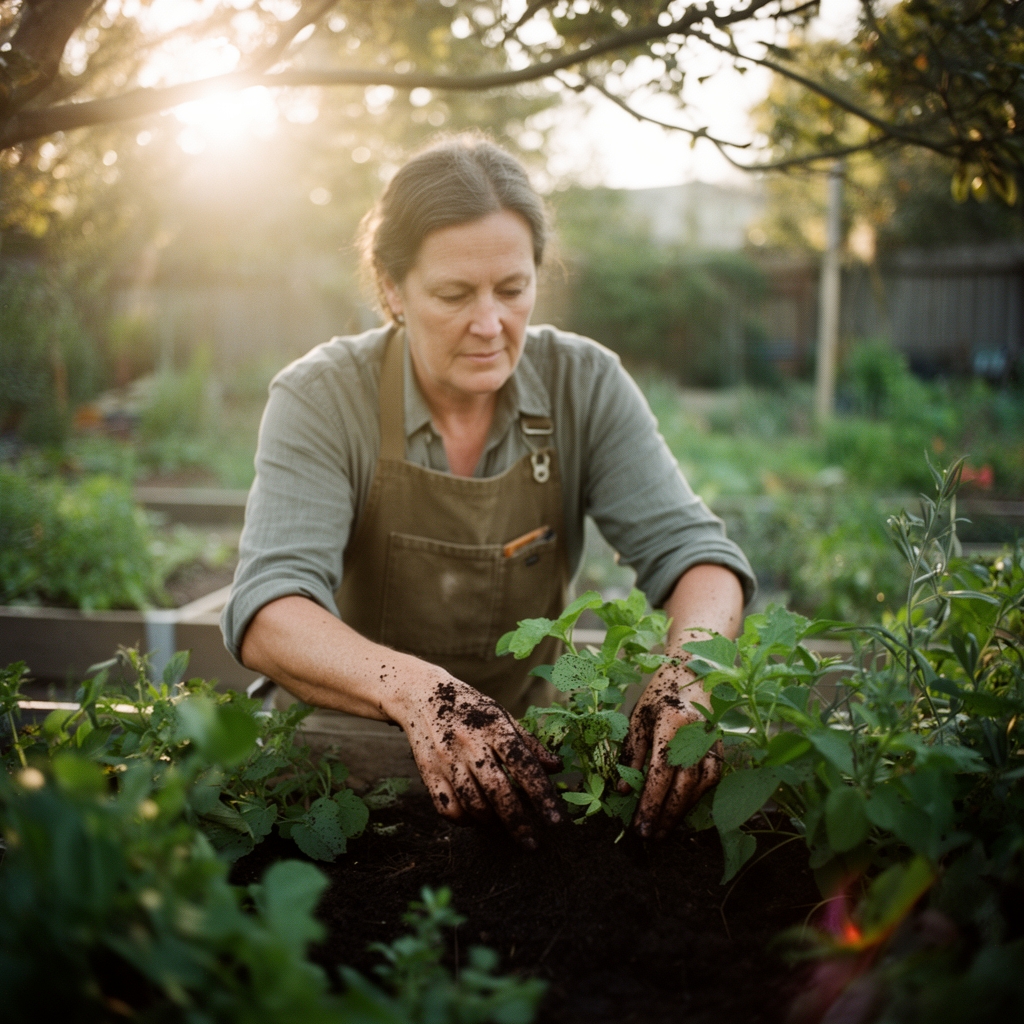
Sowing Phase
Remove existing turf by manual stripping or solarization. Solarization requires clear plastic sheeting (6 mil thickness) staked over mowed area for 6-8 weeks during peak summer heat. This method kills weed seeds in the top 2 inches without herbicides.
Till soil to 6-inch depth only. Deeper disturbance brings dormant weed seeds to germination zone. Incorporate compost at 1 cubic yard per 500 square feet. Rake to create level seedbed with fine tilth.
Broadcast native seed mixes at recommended rates (typically 8-12 ounces per 1000 square feet). Press seeds into soil contact using a lawn roller filled one-third with water. Do not bury small seeds deeper than 1/8 inch.
Pro-Tip: Mix seed with damp sand at 4:1 ratio (sand to seed) for even distribution and visible tracking of sown areas.
Transplanting Phase
Dig holes twice the width of root balls but equal in depth. Planting too deep causes stem rot from excess moisture against bark tissue. Score container-bound roots with vertical cuts at four points to redirect circling growth outward.
Position plants at same soil line visible on nursery containers. Backfill with native soil, not amended mixes that create interface problems. Water settles soil and eliminates air pockets. Apply 1 gallon per plant immediately after installation.
Space according to mature spread: grasses at 18-inch centers, forbs at 24-inch centers, shrubs at 5-foot centers, trees at 15-foot minimum.
Pro-Tip: Transplant on overcast days when relative humidity exceeds 60% to reduce transplant shock from moisture stress.
Establishing Phase
Water deeply at 1-inch per week for first growing season. Shallow, frequent watering creates surface roots vulnerable to drought. Deep watering encourages roots to explore lower soil horizons with stable moisture.
Mulch around plantings but leave 3-inch gap at stem base for air circulation. Mulch touching stems promotes fungal pathogens including Phytophthora and Pythium species.
Resist fertilization during year one. Excessive nutrients promote foliar growth at expense of root development. Allow plants to establish root:shoot ratios naturally.
Pro-Tip: Prune damaged branches at 45-degree angles 1/4 inch above outward-facing buds to promote proper wound closure and direct new growth away from plant center.
Troubleshooting
Symptom: Yellowing leaves with green veins (interveinal chlorosis).
Solution: Iron deficiency common in alkaline soils above pH 7.5. Apply chelated iron (Fe-EDDHA) at 1 ounce per plant as soil drench. Sulfur amendments lower pH gradually over 6-month period.
Symptom: Wilting despite adequate soil moisture.
Solution: Root rot from Phytophthora species in poorly drained sites. Improve drainage with 4-inch French drain systems or raise planting beds 8-12 inches. Remove affected plants and avoid replanting susceptible species in same location.
Symptom: Stunted growth with purple-tinged leaves.
Solution: Phosphorus deficiency in soils testing below 15 ppm. Apply bone meal at 2 pounds per 100 square feet, watered in thoroughly. Retest soil after 60 days.
Symptom: Powdery white coating on leaf surfaces.
Solution: Powdery mildew fungi thrive in humid, crowded conditions. Increase plant spacing to improve air circulation. Spray with potassium bicarbonate solution (1 tablespoon per gallon) weekly for 3 weeks.
Symptom: Holes in leaves with dark frass (insect excrement).
Solution: Native caterpillar feeding supports bird food chains. Tolerate 20-30% defoliation as beneficial. Hand-pick only if damage exceeds 50% of leaf area.
Maintenance
Year-round maintenance preserves habitat function. Spring tasks include removing only 30% of previous year's seed heads. Birds forage on remaining seeds through late winter. Cut stems to 6-inch height in late March before new growth emerges.
Summer irrigation requirements drop to 0.5 inch per week once plants establish deep roots (after year two). Water during early morning hours (5:00-9:00 AM) to reduce foliar disease pressure from extended leaf wetness.
Fall management involves leaving seed heads and stems standing. These structures provide winter cover for beneficial insects that birds consume. Cavity-nesting species use hollow stems for overwintering.
Avoid pesticide use entirely. Insecticides eliminate caterpillars that represent 90% of nestling songbird diets during breeding season. Even organic formulations like Bacillus thuringiensis (Bt) reduce lepidopteran larvae critical for reproduction.
Divide overgrown perennial clumps every 4-5 years in early spring. Use sharp spades to create divisions with 3-5 growth points each. Replant immediately at same depth as parent plant.
FAQ
What soil depth do native plants require?
Most native forbs and grasses need minimum 8-inch topsoil depth for adequate root development. Shrubs require 12-inch depth, trees need 18-inch minimum. Shallow soils necessitate raised bed construction.
How long until birds use the sanctuary?
Insect-eating birds arrive within weeks as arthropod populations colonize plantings. Seed-eating species appear after first seed set (18-24 months). Full habitat maturity requires 3-5 years for structural diversity.
Can I include non-native plants?
Native plants support 29 times more caterpillar biomass than non-natives. Allocate minimum 70% of plantings to regional natives. Non-invasive cultivars of native species retain ecological function.
What spacing creates best bird habitat?
Layer plants vertically: groundcovers at 0-1 foot, forbs at 1-4 feet, shrubs at 4-10 feet, small trees at 10-25 feet, canopy trees above 25 feet. This structure accommodates species with different foraging and nesting preferences.
Should I provide supplemental bird feeders?
Feeders supplement but do not replace habitat. Native plantings provide natural food sources, reduce disease transmission at feeders, and support complete life cycles including nesting materials and insect protein for young.