7 Steps to Prepare a Desert-Themed Indoor Garden
Learning how to prepare a desert-themed indoor garden begins with understanding the xerophytic adaptation strategies that allow succulents and cacti to thrive in arid conditions. The scent of sun-warmed terracotta mingles with the mineral tang of coarse sand as your fingers press into gritty substrate. Creating an authentic desert biome indoors demands precise substrate formulation, controlled irrigation cycles, and strategic photon delivery that mimics the high-intensity solar flux of the Sonoran or Mojave ecosystems.
Materials
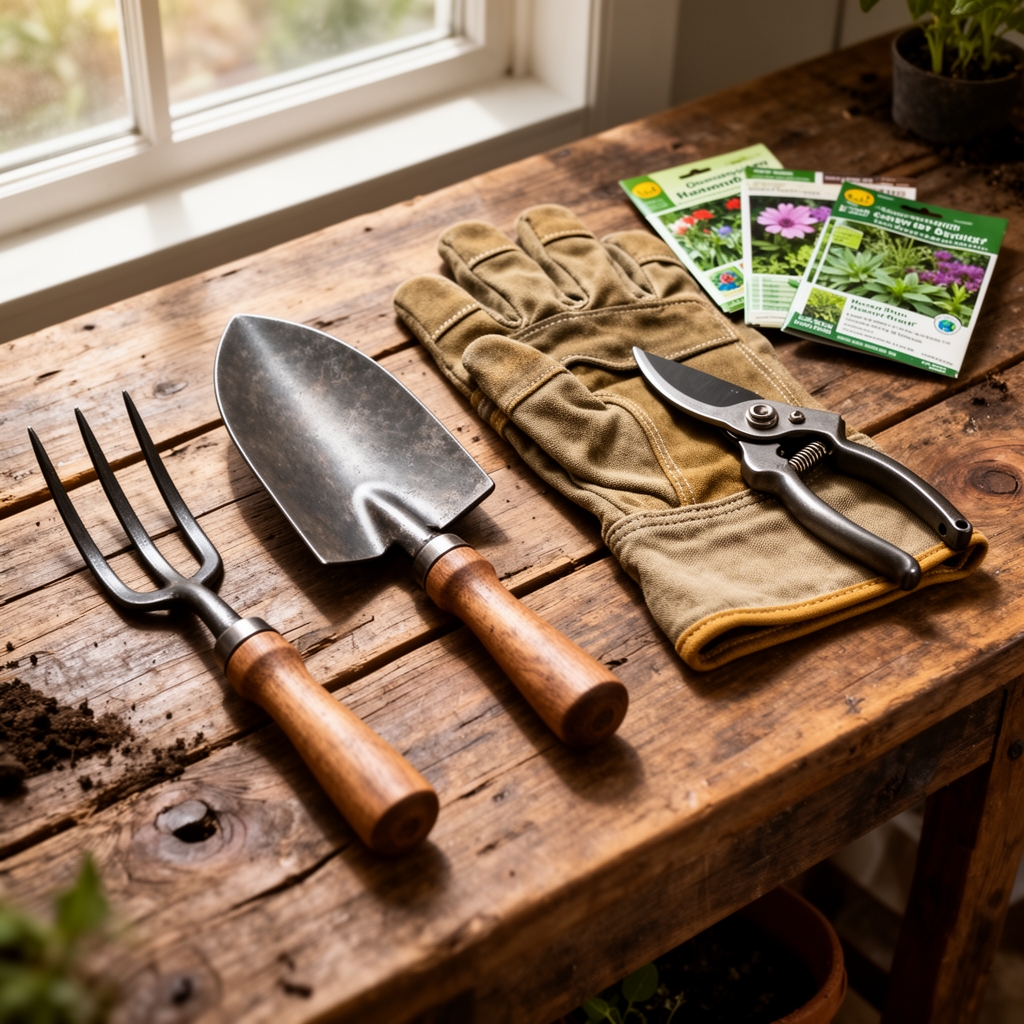
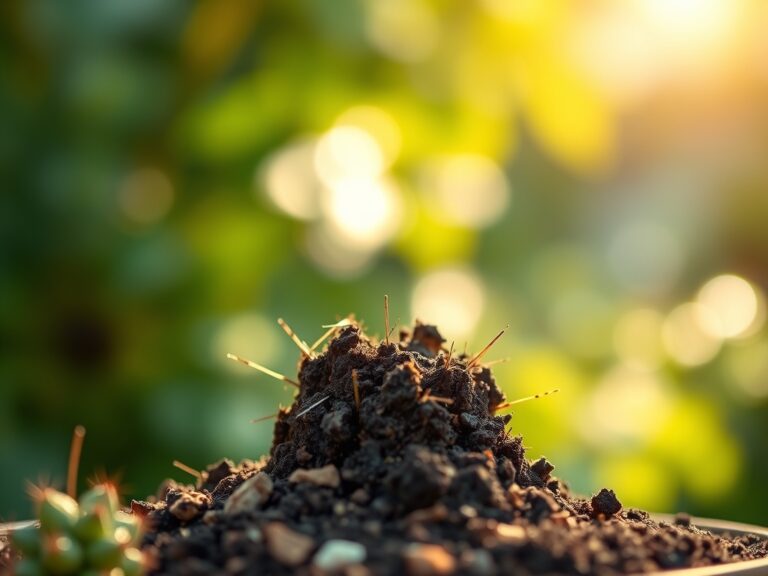
Select a substrate blend with pH 6.0-7.5 and exceptional drainage capacity. Combine two parts coarse horticultural sand (grain size 1-2mm), two parts perlite, one part loam-based potting mix, and one part crushed pumice or lava rock. This formulation achieves a cation exchange capacity of 8-12 meq/100g while preventing waterlogging that causes root rot in xerophytes.
Fertilizer requirements remain minimal. Apply a balanced 2-7-7 NPK formulation diluted to quarter-strength every 8-10 weeks during active growth periods. Desert species evolved in nutrient-poor soils with total nitrogen availability rarely exceeding 40 ppm. Excess nitrogen promotes etiolated, weak growth and reduces natural stress-response pigments like anthocyanins.
Container selection matters significantly. Unglazed terracotta pots with drainage holes provide optimal gas exchange through porous walls. For a 6-inch diameter pot, ensure three quarter-inch drainage holes. Top-dress with quarter-inch decorative gravel or decomposed granite to reduce soil surface evaporation while creating authentic desert aesthetics.
Acquire full-spectrum LED grow lights delivering 2000-3000 foot-candles (21,500-32,300 lux) at canopy level. Desert plants photosynthesize efficiently under high photosynthetic photon flux density. Position lights 12-18 inches above plant apices depending on species heat tolerance.
Timing
Indoor desert gardens operate independently of outdoor hardiness zones, but understanding native habitat cycles optimizes plant performance. Most desert succulents enter dormancy during simulated winter months when you should reduce photoperiod to 8-10 hours and lower ambient temperatures to 50-55°F.
Active growth occurs during spring and fall analogs. Increase photoperiod to 14-16 hours and maintain temperatures between 70-85°F. Summer dormancy affects some species like Lithops and Conophytum, requiring reduced watering from June through August even indoors.
Begin establishment in early spring when increasing day length triggers auxin distribution patterns that promote root development. This timing allows 6-8 months of active growth before winter dormancy.
Phases

Sowing Phase
Sterilize substrate by baking at 180°F for 30 minutes to eliminate fungal pathogens. Fill shallow trays to 2-inch depth. Surface-sow tiny cactus seeds without covering. Maintain substrate temperature at 70-75°F using heating mats. Mist lightly every 48 hours to keep the surface barely moist, never saturated.
Germination occurs in 7-21 days depending on species. Provide 12 hours of moderate light at 500-1000 foot-candles initially. Increase intensity gradually over four weeks.
Pro-Tip: Inoculate substrate with Glomus intraradices or Rhizophagus irregularis mycorrhizal fungi at 1 teaspoon per gallon. These endomycorrhizae colonize 60-80% of desert plant roots, increasing phosphorus uptake by 300%.
Transplanting Phase
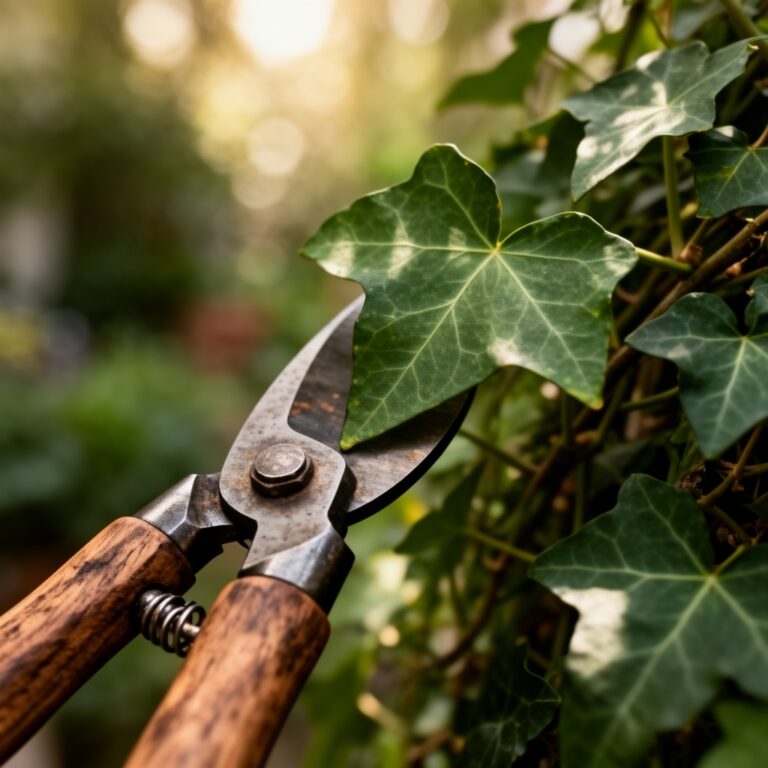
Transplant seedlings at 1-2 inches height or when purchasing established specimens. Water plants thoroughly 24 hours before transplanting to reduce root damage. Remove from nursery containers and gently tease apart circling roots. Trim any blackened or mushy roots with sterilized shears at 45-degree angles to maximize callus formation.
Position root crown level with substrate surface. Backfill carefully, eliminating air pockets. Wait five days before initial watering to allow root wounds to callus and prevent pathogen entry.
Pro-Tip: Apply rooting hormone containing 0.1% indole-3-butyric acid (IBA) to cut root tips before planting. This synthetic auxin accelerates adventitious root formation by 40%.
Establishing Phase
Monitor plants for three months post-transplanting. Restrict water to allow roots to explore substrate actively seeking moisture. This drought stress triggers deeper rooting patterns and strengthens cellular structure.
Gradually acclimate plants to full light intensity over 14 days, increasing exposure by 200 foot-candles daily. Sudden exposure causes photoinhibition and chlorophyll bleaching.
Pro-Tip: Rotate containers 90 degrees weekly to prevent phototropic leaning and ensure symmetrical growth architecture.
Troubleshooting
Symptom: Yellowing, translucent leaves with mushy texture.
Solution: Root rot from overwatering. Reduce irrigation to once every 14-21 days. Unpot affected plants, remove all brown roots, dust cuts with sulfur fungicide, and replant in fresh substrate.
Symptom: Brown, corky patches on stem epidermis.
Solution: Edema from excessive humidity. Increase ventilation to maintain 30-40% relative humidity. Space plants 6-8 inches apart for airflow.
Symptom: Stretched, pale growth with increased internode length.
Solution: Insufficient light causing etiolation. Increase intensity to minimum 2000 foot-candles and reduce photoperiod to 14 hours to concentrate photon delivery.
Symptom: White cottony masses at leaf axils.
Solution: Mealybug infestation. Swab insects with 70% isopropyl alcohol. Apply neem oil at 2 tablespoons per gallon weekly for three applications.
Symptom: Reddish-purple discoloration on normally green tissue.
Solution: Anthocyanin production from cold stress or phosphorus deficiency. Raise temperatures above 60°F and apply half-strength 2-7-7 fertilizer.
Maintenance
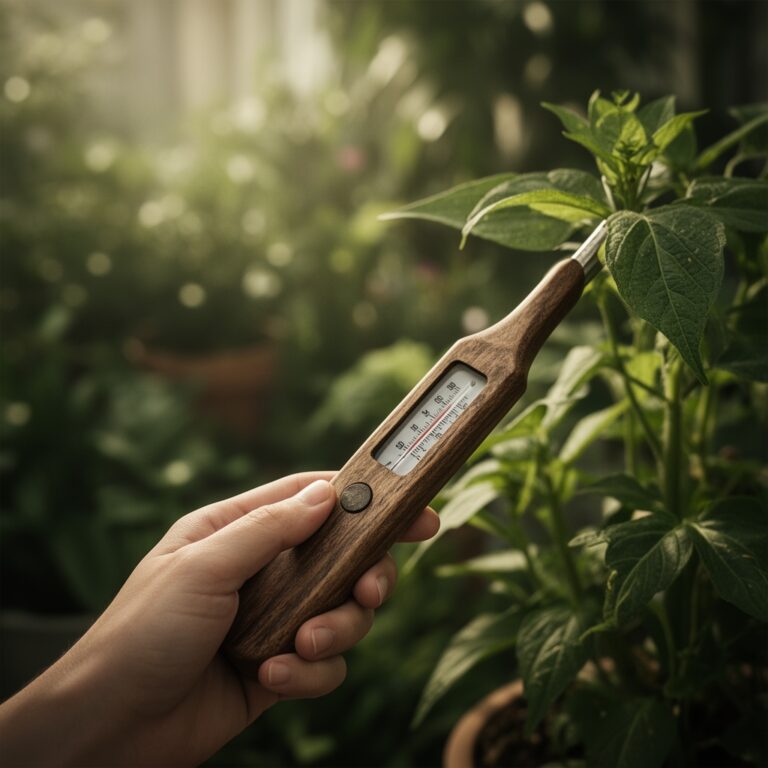
Water established desert gardens every 18-21 days during active growth, every 28-35 days during dormancy. Apply water until it emerges from drainage holes, then allow substrate to dry completely. Measure soil moisture at 2-inch depth with a probe; water only when reading shows zero.
Fertilize with quarter-strength 2-7-7 solution every 10 weeks from March through October. Omit nitrogen entirely from November through February to prevent forcing dormant growth.
Dust leaves monthly with a soft brush to remove particulates that reduce photosynthetic efficiency. Prune dead or damaged tissue immediately at the nearest healthy node using sterilized tools.
Repot every 3-4 years in spring. Increase container size by only 1-2 inches diameter to maintain appropriate root-to-shoot ratios.
FAQ
How often should I water desert indoor plants?
Every 18-21 days during growth periods, every 28-35 days during dormancy. Substrate must dry completely between waterings to prevent root rot.
What temperature range is optimal?
Maintain 70-85°F during active growth, 50-55°F during winter dormancy. Avoid temperatures below 45°F which cause cellular damage in most species.
Do desert plants need fertilizer?
Minimal feeding only. Apply 2-7-7 NPK at quarter-strength every 10 weeks during spring and fall. Excess nutrients cause abnormal growth.
Can I use regular potting soil?
No. Standard potting mix retains excessive moisture. Desert substrate requires 50% mineral amendments like sand, perlite, and pumice for drainage.
Why are my plants turning red?
Anthocyanin pigments develop from cold stress, high light, or phosphorus deficiency. Adjust temperature above 60°F and ensure adequate phosphorus availability through proper fertilization.