6 Trunk-Care Steps for Repotting a Ponytail Palm
The smell of damp pumice and the gritty texture of calcined clay signal the start of a necessary structural transition for the Beaucarnea recurvata. A healthy specimen exhibits high turgor pressure in its recurved leaves and a firm, unyielding caudex that serves as a primary water reservoir. When the trunk begins to press against the ceramic perimeter of its vessel, you must execute the specific steps for repotting a ponytail palm to prevent root strangulation and soil exhaustion. This process requires a precise understanding of the plant's succulent physiology and its reliance on a high-drainage rhizosphere to avoid anaerobic rot.
Materials:
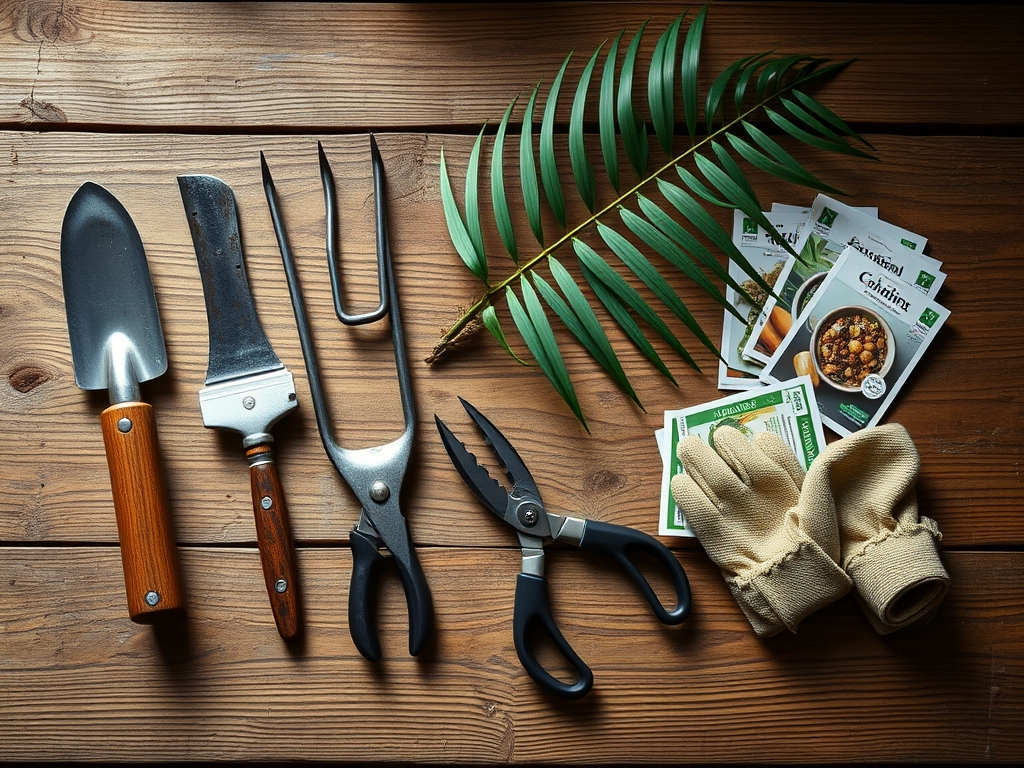
The ideal substrate for a ponytail palm is a friable loam with a **pH range between 6.0 and 7.0**. This acidity level ensures optimal nutrient availability through the soil’s cation exchange capacity. You must avoid standard peat-based potting mixes that retain excessive moisture. Instead, construct a mineral-heavy medium consisting of **40% coarse perlite or pumice, 30% pine bark fines, and 30% sandy loam**.
For supplemental nutrition, incorporate a slow-release fertilizer with an NPK ratio of 10-11-15. This higher potassium (K) content supports the structural integrity of the trunk and enhances drought resistance. The new container must be only 1 to 2 inches wider than the current one; oversized pots lead to perched water tables, which saturate the lower root zone and induce fungal pathogens.
Timing:
Successful repotting is dictated by the plant's biological clock and local climate variables. In Hardiness Zones 9 through 11, where the plant can remain outdoors, the window for repotting opens in late spring after the final frost date when overnight temperatures consistently remain above 55 degrees Fahrenheit (13 degrees Celsius).
During this period, the plant transitions from winter semi-dormancy into an active vegetative stage. Increasing day length triggers the production of growth hormones, specifically auxins, which stimulate root elongation. Performing the steps for repotting a ponytail palm during this metabolic surge allows the specimen to recover from root disturbance and establish itself in the new substrate before the heat of mid-summer.
Phases:
Extraction and Root Pruning
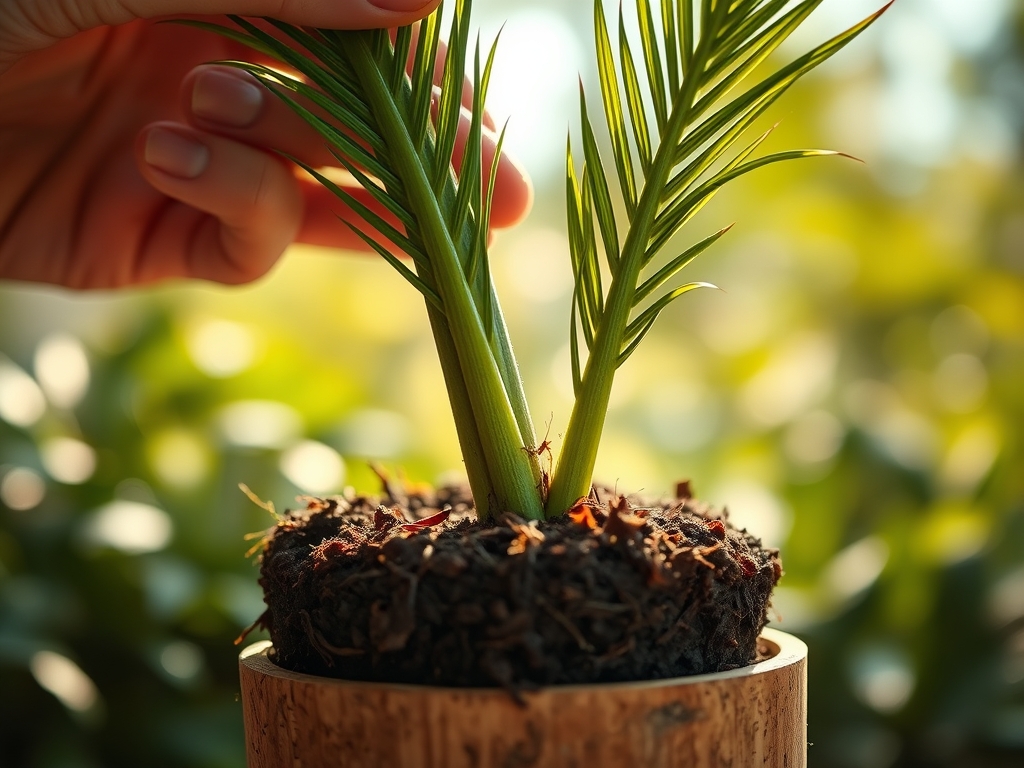
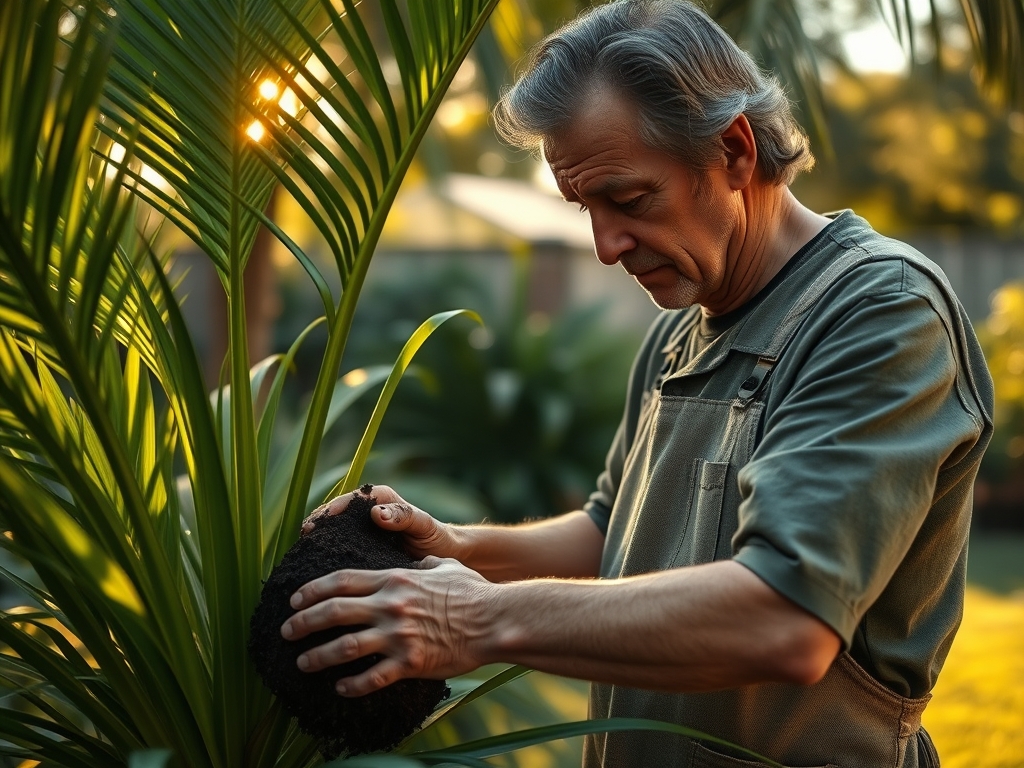
Begin by withholding water for 7 to 10 days prior to the procedure. Dry soil pulls away from the root ball more easily, reducing mechanical stress on the fine root hairs. Gently slide the plant from its container; if the plant is pot-bound, use a hori-hori knife to slice vertically through the outer inch of the root mass. Inspect the roots for any signs of senescence or dark, mushy tissue.
Pro-Tip: Trimming the bottom 10% of the root mass stimulates the production of lateral roots. This is due to the removal of the root apical meristem, which temporarily halts apical dominance and redirects energy to secondary root development.
Sowing the New Vessel
Place a layer of your prepared mineral substrate at the bottom of the new pot. Ensure the depth is calibrated so the base of the caudex sits at the same soil line as its previous container. Burying the trunk deeper than its original level invites stem rot, as the bark tissue is not adapted to constant moisture contact.
Pro-Tip: Dust the root ball with a mycorrhizal inoculant before backfilling. This creates a symbiotic relationship where the fungi extend the reach of the root system, increasing the surface area for phosphorus absorption.
Establishing the Specimen
Firm the soil around the perimeter using a wooden dowel to eliminate large air pockets. Air gaps can cause root desiccation, while over-compacting the soil reduces the oxygen levels necessary for cellular respiration. After the plant is secured, wait 3 to 5 days before the first irrigation. This delay allows any micro-fractures in the root tissue to callus over, preventing soil-borne pathogens from entering the vascular system.
Pro-Tip: Place the newly repotted palm in bright, indirect light rather than full sun for the first 14 days. This reduces the transpiration rate while the plant restores its hydraulic conductivity.
The Clinic:
Physiological disorders in ponytail palms often manifest through foliage color and trunk density. Use the following diagnostic data to adjust your care regimen.
- Symptom: Nitrogen Chlorosis. The oldest leaves turn a uniform pale yellow.
- Solution: Apply a water-soluble fertilizer with a nitrogen (N) value of at least 10. Nitrogen is a mobile nutrient; the plant scavenges it from old growth to support new meristematic development.
- Symptom: Caudex Softening. The trunk feels spongy or yields to thumb pressure.
- Solution: This indicates over-saturation and potential root rot. Cease all irrigation immediately and move the plant to a location with higher airflow to increase evaporation.
- Symptom: Leaf Tip Necrosis. The distal ends of the leaves turn brown and brittle.
- Solution: This is often caused by fluoride or salt accumulation from tap water. Flush the substrate with distilled water until the runoff equals the volume of the pot.
Maintenance:
Post-repotting maintenance requires precision. Use a soil moisture meter to ensure the substrate is dry to a depth of 3 inches before re-irrigating. During the active growing season, provide approximately 1.5 inches of water every two to three weeks, depending on ambient humidity.
Use bypass pruners to remove dead or damaged foliage at the base of the leaf sheath. Do not pull the leaves off, as this can tear the trunk's protective bark. Monitor the light levels using a photometer; the ponytail palm thrives at 4,000 to 8,000 foot-candles. If the plant begins to lean, rotate the pot 90 degrees weekly to counteract phototropism and maintain a vertical growth habit.
The Yield:
While the ponytail palm is not an edible crop, its "yield" is measured in its architectural longevity and the health of its offsets, known as "pups." If you choose to harvest these pups for propagation, wait until they are at least 4 inches in diameter.
Sever the pup from the parent plant using a sterilized blade, ensuring you take a small portion of the parent's bark to include the basal plate. Allow the offset to callus in a dry, shaded area for 48 hours before placing it in a high-perlite rooting medium. This ensures "day-one" freshness of the tissue and prevents the entry of rot-inducing bacteria during the vulnerable rooting phase.
FAQ:
How often should I perform the steps for repotting a ponytail palm?
Repot every 2 to 3 years for young specimens. Mature plants can remain in the same vessel for 5 to 8 years as long as the drainage remains functional and the caudex has not cracked the pot.
What is the best soil for a ponytail palm?
Use a fast-draining, mineral-based mix with a pH of 6.0 to 7.0. A blend of 70% inorganic grit (perlite, pumice, or gravel) and 30% organic matter prevents waterlogging and maintains necessary oxygen levels in the rhizosphere.
Why are the leaf tips on my ponytail palm turning brown?
This is typically caused by excessive salt buildup or low humidity. Use filtered water to prevent mineral accumulation and ensure the soil dries completely between sessions to maintain proper osmotic pressure within the leaf cells.
Can I use a pot without drainage holes?
No. Lack of drainage leads to a perched water table, causing anaerobic conditions that kill roots within 48 hours. Always use a vessel with at least one large drainage hole to facilitate gravitational water movement.