6 Steps to Prepare a Site for a Heavy Garden Statue
Installing a 400-pound cast stone urn demands more than enthusiasm. The statue will sink, crack its pedestal, or tilt within eighteen months unless the substrate offers proper drainage, load distribution, and frost protection. Learning how to prepare a site for a garden statue prevents these failures. A well-engineered base considers soil compaction, aggregate grading, and seasonal moisture fluctuation. The process mirrors preparing a perennial bed but prioritizes bearing capacity over cation exchange capacity.
Materials
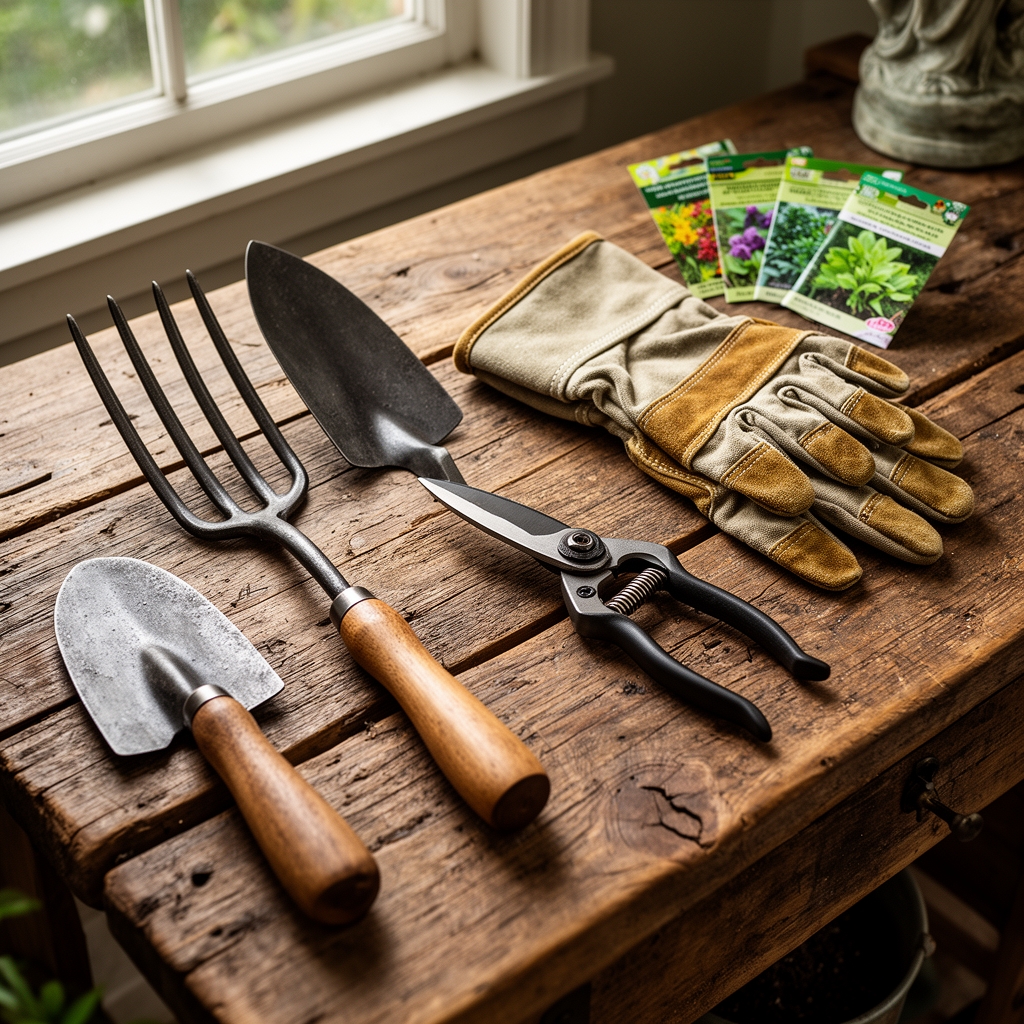
Gather crushed stone in two grades: three-quarter-inch angular trap rock for the sub-base and quarter-inch screenings for the leveling course. Avoid pea gravel. Its rounded profile shifts under load. Select coarse sand with less than 3 percent fines passing a 200-sieve. This specification ensures drainage without migration through voids.
For binding the leveling layer, use Type N masonry cement mixed at a 6:1 sand-to-cement ratio. Portland cement accelerates too quickly in warm weather. For pedestals over 18 inches, embed two 12-inch galvanized spikes or rebar pins into the sub-base to anchor against wind torque.
Procure landscape fabric rated at 4.1 ounces per square yard. This weight resists puncture during compaction yet permits vertical drainage. If working in clay with plasticity indices above 15, amend the excavation perimeter with gypsum at 40 pounds per 100 square feet to improve flocculation.
pH adjustments are unnecessary unless you plan understory plantings within 24 inches of the base. In that case, target 6.2 to 6.8 with dolomitic lime. Apply a 4-4-4 organic meal around companion perennials to avoid nutrient competition without promoting weed germination near stonework.
Timing
Schedule installation between USDA Hardiness Zone-specific freeze-thaw cycles. In Zones 5 and 6, work concludes by October 15, allowing the aggregate base to settle before December frost heave. Zones 7 and 8 permit year-round installation but avoid saturated soils from January through March when clay exhibits low bearing strength.
Spring installations should occur after the last frost date, typically May 1 in Zone 5 and April 10 in Zone 7. This window allows compaction testing when soil moisture hovers near optimum, usually 12 to 15 percent by mass in loam. Avoid working during drought when dust prevents proper hydration of screenings or during heavy rain when compaction cannot achieve 95 percent Standard Proctor density.
If planting companion species, synchronize their root establishment with statue installation. Perennials transplanted simultaneously develop mycorrhizal networks that stabilize adjacent soil by July.
Phases
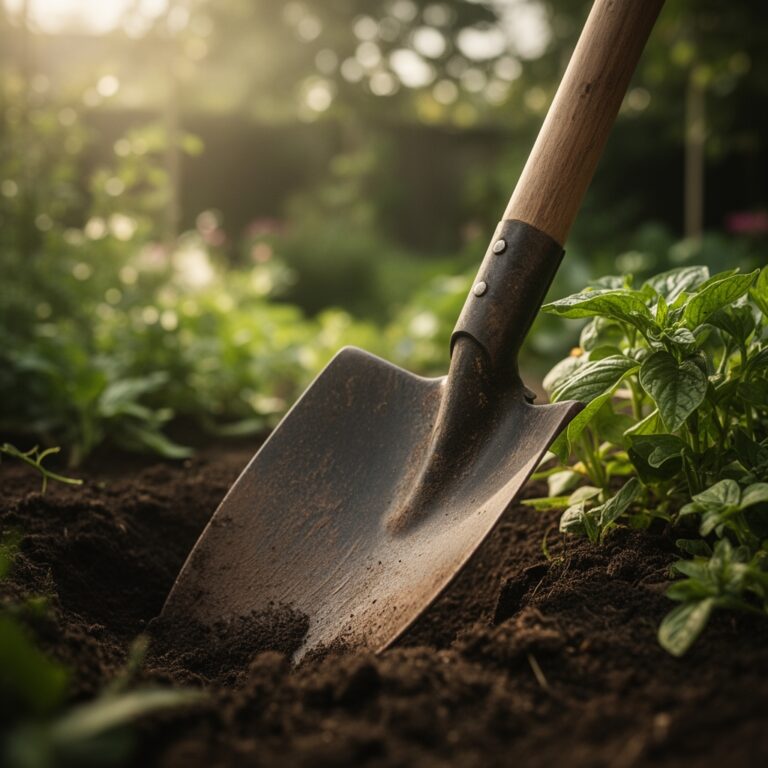
Excavation: Remove topsoil to a depth equal to one-third the statue's height plus 6 inches. For a 30-inch statue, dig 16 inches deep. Extend the footprint 8 inches beyond the base diameter in all directions. This margin distributes load at a 45-degree angle through the aggregate, preventing edge failure.
Score the excavation floor with a rake to disrupt any compacted pan layer. In clay soils, scarify an additional 2 inches and backfill with the crushed stone base to interrupt capillary rise. Slope the floor one-quarter inch per foot away from the statue's center to direct subsurface water outward.
Pro-Tip: Spray the excavation floor with a 10 percent bentonite slurry if sandy soils cannot hold shape. This creates a temporary binder that stabilizes sidewalls during aggregate placement without impeding drainage once cured.
Sub-Base Installation: Spread 4 inches of three-quarter-inch trap rock. Rake level, then mist until surface sheen appears. Compact in two 2-inch lifts using a vibrating plate compactor. Each pass should overlap by 4 inches. The aggregate is ready when footprints no longer register.
Lay landscape fabric over the compacted sub-base, overlapping seams by 12 inches. Add 2 inches of screenings. Screed with a straight 2×4, checking level in eight radial directions. Mist again and compact. The surface should feel firm but not glassy.
Pro-Tip: Embed a 6-inch diameter perforated drain tile horizontally at the sub-base perimeter if working in clay. Route it to daylight or a dry well 15 feet away. This prevents hydrostatic pressure from lifting the statue during spring thaw.
Setting the Statue: Position the statue on the screenings within 20 minutes of final compaction. The surface remains workable during this window. Tap shims under low corners, using a 48-inch level for precision. Once plumb, press the base firmly to embed 1/8 inch into screenings. Remove shims and fill voids with dry screenings, tamping with a wooden block.
For pedestals, apply a 3/8-inch mortar bed using the Type N mix. Set the pedestal, twist a quarter turn to eliminate air pockets, then level. Allow 48 hours before mounting the statue.
Pro-Tip: Drill a weep hole at a 15-degree downward angle through the pedestal's base if it lacks factory drainage. This prevents freeze-thaw damage in the void between pedestal and statue.
Troubleshooting
Symptom: Statue tilts toward the prevailing wind within six months.
Solution: The sub-base lacks depth. Excavate, extend sub-base to 6 inches, and install anchor pins. Compact in 1.5-inch lifts to achieve higher density.
Symptom: White efflorescence streaks appear on the statue by spring.
Solution: Soluble salts are wicking upward through the pedestal. Increase screenings layer to 3 inches and verify landscape fabric is intact beneath the sub-base.
Symptom: Pedestal separates from statue, creating a visible gap.
Solution: Mortar bed was too wet during setting, shrinking as it cured. Remove statue, chisel old mortar, reset with drier mix at a 4:1 sand-to-cement ratio.
Symptom: Pavers or plants near the statue sink or heave unevenly.
Solution: Load distribution is insufficient. Extend the sub-base footprint 12 inches in all directions and compact perimeter zones.
Symptom: Moss colonizes the statue's north face within one season.
Solution: Excess shade and moisture retention. Thin canopy cover to increase direct sun by at least two hours daily. Apply copper sulfate solution at 1 tablespoon per gallon monthly during growing season.
Maintenance
Inspect levelness each spring using a 24-inch torpedo level. If tilt exceeds 1/8 inch per foot, lift the statue with a pry bar and add dry screenings beneath the low side. Tamp thoroughly before resetting.
Flush the perimeter with 1 inch of water biweekly during the first growing season to consolidate any settling aggregate. After year one, no irrigation is necessary unless companion plantings require it.
Reapply joint sand between pedestal and statue every three years. Brush dry sand into the seam, mist lightly, and allow to cure for 72 hours.
Remove fallen leaves within 6 inches of the base weekly during autumn. Decomposing organic matter increases moisture retention and promotes biological staining on porous stone.
Every five years, lift the statue and inspect the screenings layer. If depressions exceed half an inch, remove the top inch of screenings, add fresh material, compact, and reset.
FAQ
How deep should the sub-base extend for a 600-pound statue?
Excavate 20 inches total: 6 inches of three-quarter-inch stone, 2 inches of screenings, and account for one-third the statue's height. In clay, add 2 inches.
Can I install a statue directly on existing lawn?
No. Organic matter compresses unpredictably, and grass roots decompose, creating voids. Always excavate to mineral soil.
What PSI rating does compacted trap rock achieve?
Properly compacted angular stone reaches 3,000 to 4,000 PSI, sufficient for residential statuary under 1,200 pounds.
Do I need a concrete pad for bronze sculptures?
Not for pieces under 800 pounds. Use the aggregate method. Concrete cracks in freeze-thaw cycles without control joints.
How do I prevent rust stains from iron cramps leaching onto limestone?
Seal all ferrous metal pins with two coats of zinc-rich primer before embedding. Alternatively, substitute stainless steel hardware.